
 Pin
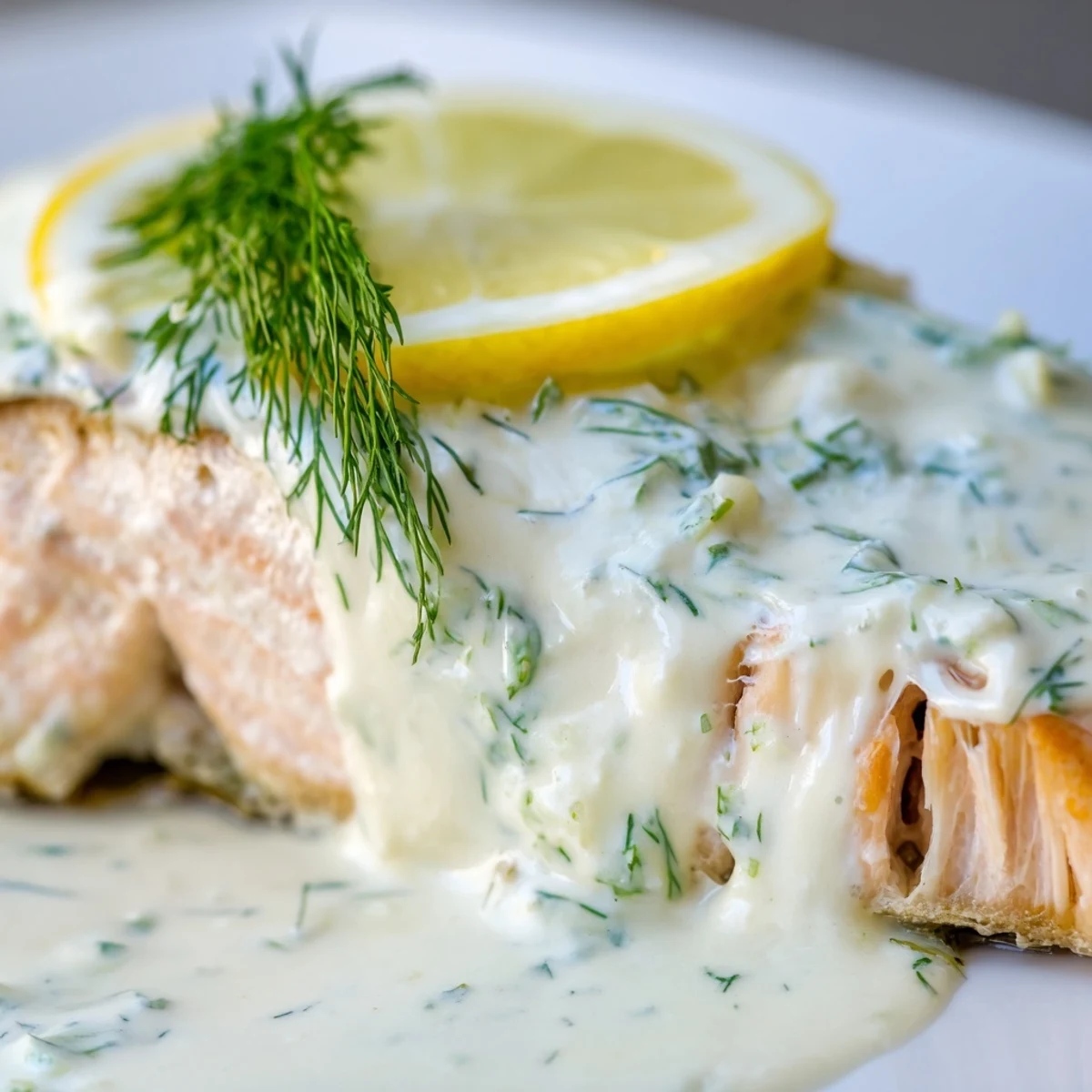
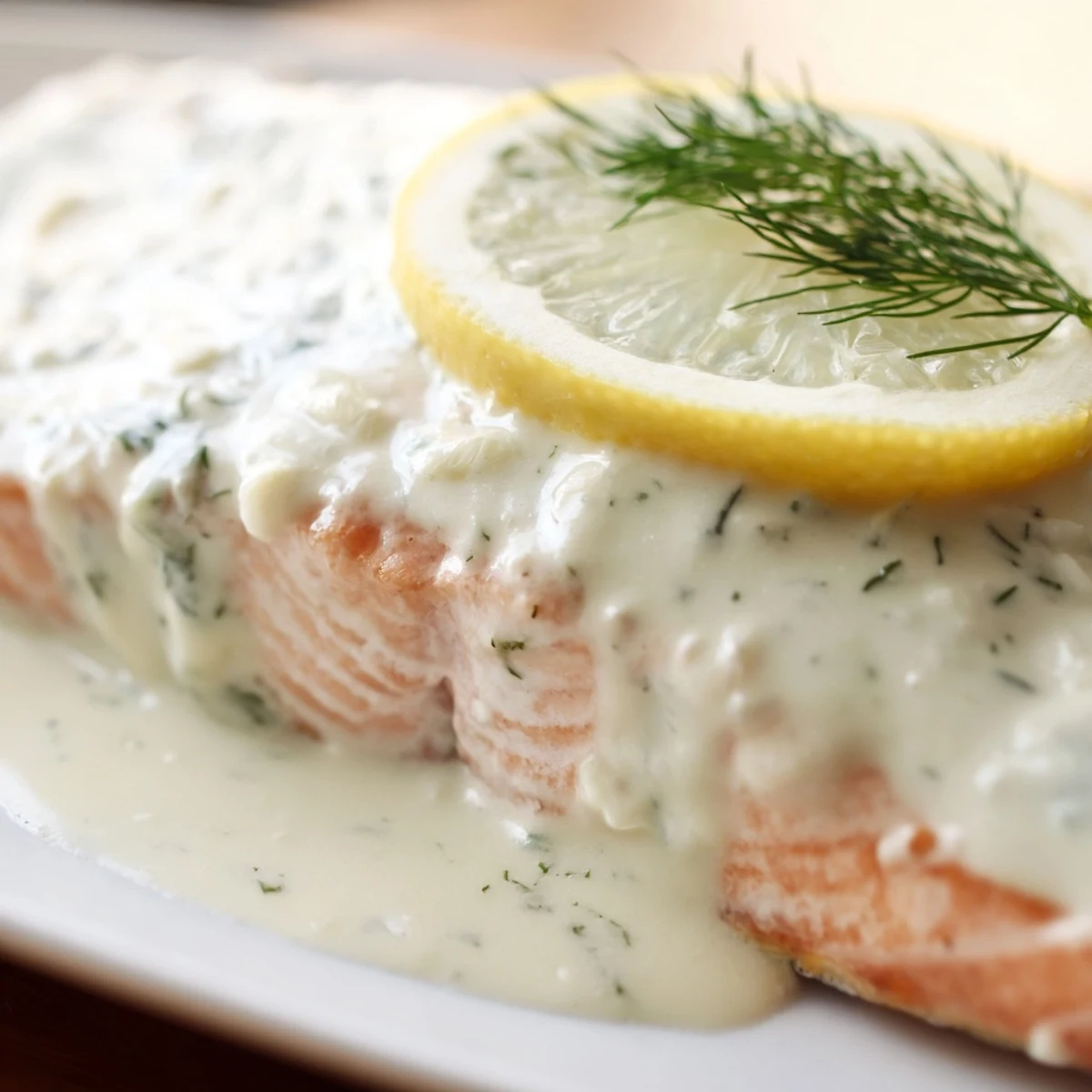
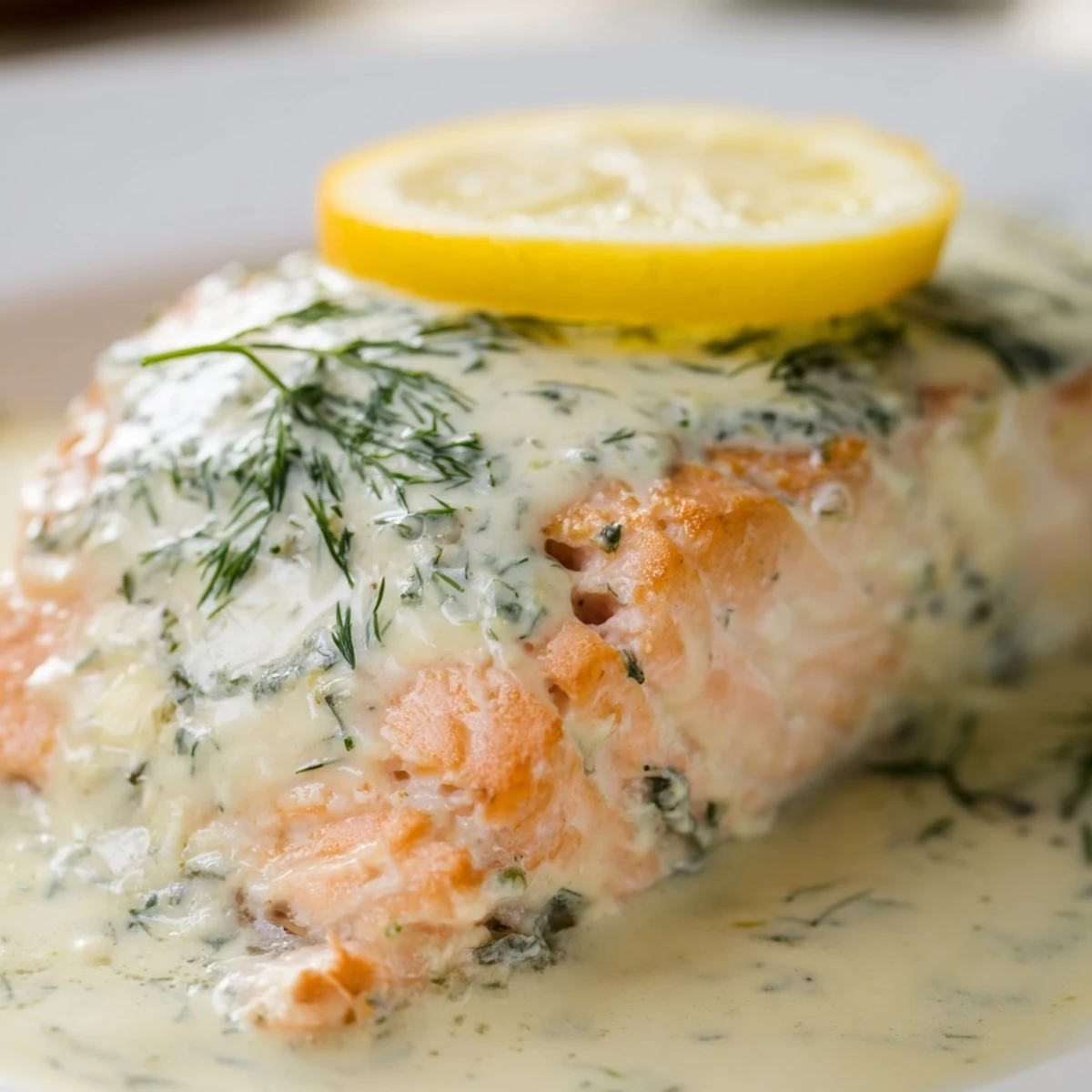
Pin This dish features flaky salmon fillets baked to perfection and topped with a creamy lemon dill sauce. The sauce blends sour cream or Greek yogurt with mayonnaise, lemon juice, zest, fresh dill, and a hint of garlic. The salmon is seasoned simply with olive oil, salt, pepper, and lemon slices before baking.
Perfectly cooked at 400°F for 12-15 minutes, it offers a moist and tender texture. This elegant yet straightforward meal suits weeknight dinners or special occasions and pairs well with roasted vegetables or steamed asparagus.
One weeknight, I pulled a gorgeous salmon fillet from the freezer with absolutely no plan, and somehow ended up with this bright, creamy sauce that made the whole kitchen smell like a Mediterranean coast. My partner walked in mid-cook, drawn by the aroma of lemon and dill dancing through steam, and before I could even plate it, they were already asking when I'd make it again. That's when I knew this simple recipe had become something special in our regular rotation.
I made this for my mom's birthday dinner, and she sat there quietly for a moment before saying it reminded her of a little restaurant we visited years ago. Watching someone connect a simple home-cooked meal to a happy memory is the kind of kitchen magic that keeps you cooking.
Ingredients
- Salmon fillets: Six ounces each, skin-on or skinless depending on your preference and comfort level with crispy skin.
- Olive oil: Just enough to coat the fish and help it bake evenly without drying out.
- Salt and black pepper: The foundation of flavor, applied generously to wake up the salmon's natural taste.
- Lemon slices: These sit on top of each fillet, infusing the fish as it bakes and creating those subtle citrus notes throughout.
- Sour cream or Greek yogurt: The tangy base that makes the sauce creamy without being heavy; Greek yogurt keeps things lighter if you prefer.
- Mayonnaise: Adds richness and helps emulsify the sauce into something silky smooth.
- Fresh lemon juice: Squeezed right before mixing, this is where the sauce gets its spark.
- Lemon zest: The oils in the peel hold more flavor intensity than the juice alone, so don't skip it.
- Fresh dill: Chopped fine, it disperses evenly and gives you those little pockets of herbaceous brightness in every spoonful.
- Garlic clove: Just one, minced small, adds a whisper of depth without overpowering the delicate lemon and dill.
Instructions
- Get your oven ready and set the stage:
- Preheat to 400°F and line your baking sheet with parchment paper. This simple step means zero cleanup and nothing sticking to the pan, which feels like a small victory when you're hungry.
- Season and arrange the salmon:
- Lay the fillets on the sheet, drizzle with olive oil, and season generously with salt and pepper. Top each one with a thin lemon slice to infuse flavor as it bakes and keep the fish moist.
- Bake until it flakes:
- Slide into the oven for 12 to 15 minutes, watching for the moment when the flesh turns opaque and separates easily with a fork. You'll know it's done when it reaches 145°F inside.
- Make the sauce while the fish cooks:
- Whisk together the sour cream, mayo, lemon juice, zest, dill, garlic, salt, and pepper in a small bowl until everything is smooth and creamy. Taste it and adjust the lemon if needed; this sauce should taste bright and bold.
- Plate and pour:
- Transfer the warm salmon to plates and spoon the sauce over the top or serve it alongside, depending on how generous you're feeling. A final scatter of fresh dill and maybe a lemon wedge makes it look intentional.
 Pin
Pin The first time someone asked me for the recipe, I realized I'd stopped thinking of it as something special and started thinking of it as something I just made. That's the moment you know a dish has truly become yours.
Sauce Variations That Work
Once you nail the basic sauce, you can pivot it easily based on what's in your fridge or what mood you're in. A spoonful of Dijon mustard adds tangy complexity, while a pinch of smoked paprika creates warmth and depth.
What to Serve Alongside
Roasted asparagus or green beans absorb the sauce beautifully and feel light without being boring. A pile of fluffy rice or crushed potatoes works if you want something more substantial, and a simple green salad keeps everything balanced.
Timing and Make-Ahead Moves
You can make the sauce up to a day ahead and keep it covered in the fridge, which means on busy nights you're really just baking fish. The sauce comes to room temperature while the oven does its work, and everything comes together in the time it takes to set the table.
- Prep your dill and lemon the morning of to save yourself time when you're hungry.
- Don't make the sauce more than a day ahead or the fresh dill flavor starts to fade.
- Cold sauce is fine if you prefer it, but room temperature feels more welcoming alongside warm fish.
 Pin
Pin This is the kind of recipe that slips into regular rotation without fanfare, but that's exactly when you know you've found something worth keeping. It asks almost nothing of you and gives back a plate that tastes like care.
Recipe Questions & Answers
- → What temperature should I bake the salmon at?
-
Bake salmon at 400°F (200°C) to ensure it's cooked evenly and stays moist.
- → Can I use Greek yogurt instead of sour cream in the sauce?
-
Yes, Greek yogurt is a lighter substitute that works well in the lemon dill sauce.
- → How do I know when the salmon is done?
-
The salmon is ready when it flakes easily with a fork and reaches an internal temperature of 145°F (63°C).
- → Is fresh dill necessary for the sauce?
-
Fresh dill is preferred for the best flavor, but dried dill can be used if fresh is unavailable.
- → What sides complement baked salmon with lemon dill sauce?
-
Roasted vegetables, steamed asparagus, or a light side of rice pair nicely with this dish.
- → Can I prepare the sauce in advance?
-
Yes, the lemon dill sauce can be made ahead and refrigerated to allow flavors to meld.