
 Pin
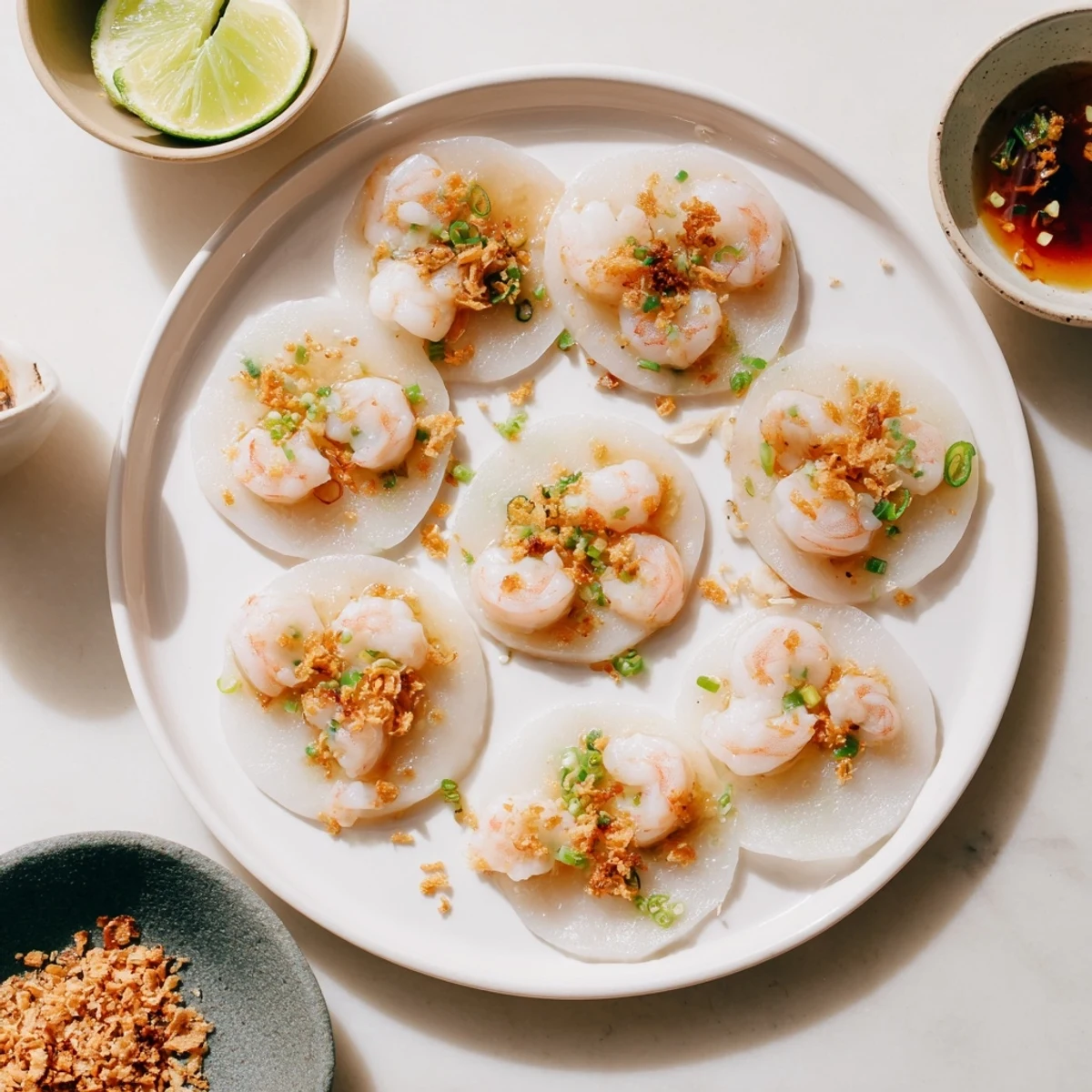
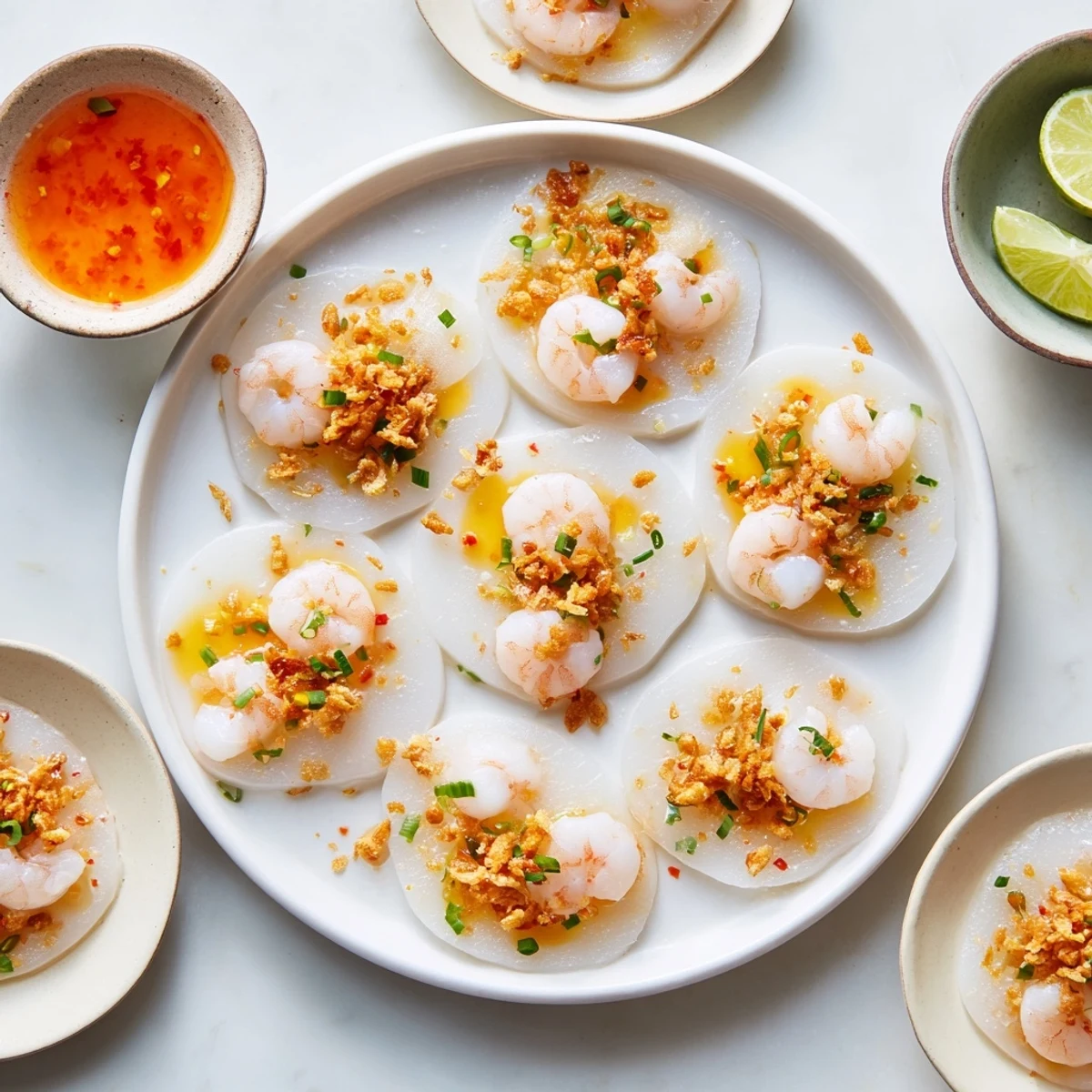
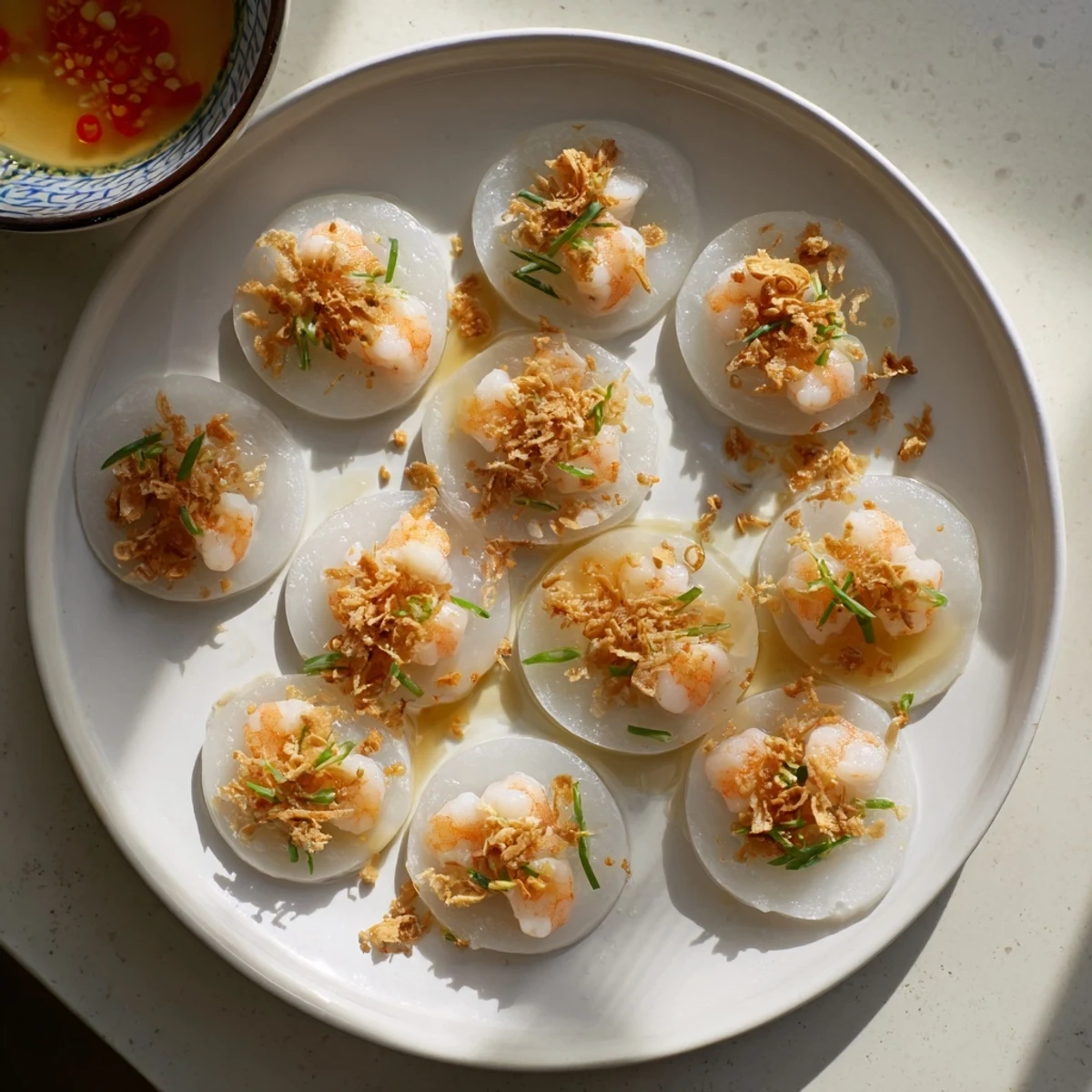
Pin Banh Beo are delicate steamed rice cakes from Vietnamese cuisine, featuring a smooth, translucent base made from rice flour and tapioca. Each small cake is topped with seasoned shrimp, aromatic scallion oil, and crispy fried shallots, creating a perfect balance of soft and crispy textures. The dish is traditionally served with a tangy fish sauce dipping sauce that adds brightness and depth. These bite-sized treats are perfect for appetizers or snacks, offering an authentic taste of Vietnam's culinary heritage in every mouthful.
The first time I had banh beo was at my aunt's house in Hue, where she had stacks of these delicate little steaming cakes arranged like tiny white plates on her dining table. I watched, fascinated, as she topped each one with that golden scallion oil and bright orange shrimp, her hands moving with the kind of practiced ease that comes from making something hundreds of times. When I finally tried making them myself years later, I understood why she always made such a big batch—they disappear the moment they hit the table.
Last summer, I hosted a small dinner party and decided to attempt banh beo for the first time in years. My tiny steamer was working overtime, and I had little ceramic dishes lined up across every available counter space. The kitchen filled with this incredible aroma of frying shallots and steaming rice—my guests kept wandering in, asking if it was ready yet. We ended up eating them standing around the kitchen, dipping and talking, while another batch steamed away on the stove.
Ingredients
- Rice flour: This creates the signature smooth, slightly chewy texture of the cakes—look for a finely milled variety for the best results
- Tapioca starch: The secret ingredient that gives banh beo that delicate bounce and translucency when steamed
- Raw shrimp: Finely chopped so each little cake gets a perfect ratio of savory topping to tender base
- Scallions: Sliced thin and fried in hot oil until they release all their aromatic oils—this is what makes the kitchen smell incredible
- Fried shallots: The crispy golden element that adds texture and a sweet, savory depth to every bite
Instructions
- Make the batter:
- Whisk the rice flour, tapioca starch, water, salt, and oil until completely smooth—any lumps will show up in the final cakes. Let it rest for about 10 minutes so the flour can fully hydrate and settle.
- Cook the shrimp topping:
- Heat oil in a skillet over medium heat, add the chopped shallot until it becomes fragrant, then add the shrimp with your seasonings. Stir-fry until the shrimp turns pink and the mixture looks slightly dry—you want the flavors concentrated.
- Prepare the scallion oil:
- Heat your oil until it's hot but not smoking, then pour it over the sliced scallions in a small bowl. The scallions should sizzle slightly and release their aroma immediately.
- Steam the rice cakes:
- Grease your small dishes generously, stir the batter one more time, and pour about 2 tablespoons into each dish. Steam for 7 to 8 minutes until they're set and translucent—you'll know they're done when they look slightly glossy and pull away from the edges.
- Mix the dipping sauce:
- Combine the fish sauce, sugar, lime juice, water, and chili in a small bowl. Stir until the sugar completely dissolves and adjust the balance to your taste—everyone likes their nuoc cham a little different.
- Assemble the cakes:
- Top each steamed cake with a small spoonful of shrimp, a drizzle of scallion oil, a sprinkle of crispy shallots, and mung bean paste if you're using it. Serve immediately while they're still warm.
 Pin
Pin There's something deeply satisfying about eating these little rice cakes, maybe because they require just enough attention to make—steaming in batches, topping carefully—that the process feels meditative. I've found that people who've never tried Vietnamese food before are instantly won over by banh beo, perhaps because each cake is like a tiny, perfect present you unwrap with your chopsticks.
Getting That Perfect Texture
The ideal banh beo should be smooth and slightly jiggly, almost like a savory custard that barely holds its shape when you pick it up. I've learned that the ratio of rice flour to tapioca starch matters tremendously—too much rice flour and they become heavy, while too much tapioca makes them bouncy and almost rubbery.
Making Ahead
You can prepare all the components ahead of time—the shrimp topping, scallion oil, and sauce all keep beautifully in the refrigerator for a day or two. Just steam the rice cakes fresh and assemble right before serving, because that silky texture really doesn't hold up well to reheating.
Serving Suggestions
These are traditionally eaten as a snack or appetizer, but I've also served them as part of a larger Vietnamese spread alongside fresh spring rolls and a hot soup. The key is having everything ready beforehand so you can just keep steaming and topping as people eat.
- Set up a little assembly station so guests can top their own cakes if they prefer
- Have extra lime wedges on hand for people who like more acid in their dipping sauce
- Make sure your dipping sauce is balanced before serving—it should hit all the notes: salty, sweet, sour, and spicy
 Pin
Pin These little rice cakes have become one of those recipes I turn to when I want to serve something impressive but entirely approachable, food that invites conversation and lingers in memory long after the last bite is gone.
Recipe Questions & Answers
- → What makes Banh Beo different from other Vietnamese rice cakes?
-
Banh Beo stands out for its delicate, thin texture and small individual portions. Unlike thicker rice cakes, Banh Beo are steamed in small dishes creating a translucent, silky base that's topped with savory shrimp, scallion oil, and crispy shallots. The combination of soft cake and crunchy toppings creates a unique texture experience.
- → Can I make Banh Beo without a steamer?
-
While a traditional steamer works best, you can improvise by using a large pot with a heatproof rack or inverted bowl at the bottom. Place your small dishes on the rack, add water to create steam, and cover tightly. Just ensure the water doesn't touch the dishes during steaming.
- → Why do I need to let the batter rest before steaming?
-
Resting the batter for 10 minutes allows the rice flour and tapioca starch to fully hydrate, resulting in a smoother, more elastic texture. This resting period helps prevent lumps and ensures the steamed cakes set properly with the desired translucent appearance.
- → How do I store and reheat leftover Banh Beo?
-
Store assembled Banh Beo in an airtight container in the refrigerator for up to 2 days. However, they're best enjoyed fresh. To reheat, steam them for 2-3 minutes or microwave briefly. Note that the crispy toppings may lose some texture, so consider adding fresh crispy shallots before serving.
- → What can I use instead of small ceramic dishes for steaming?
-
You can use small heatproof bowls, ramekins, saucers, or even silicone cupcake liners. The key is choosing vessels that are roughly 3 inches in diameter and oven-safe. Grease them lightly to prevent sticking, and ensure they fit comfortably in your steamer setup.
- → Is Banh Beo suitable for gluten-free diets?
-
Yes, traditional Banh Beo is naturally gluten-free as it uses rice flour and tapioca starch. However, always verify that your fish sauce is gluten-free, as some brands may contain wheat-based additives. The dish is an excellent option for those seeking authentic Vietnamese gluten-free appetizers.