
 Pin
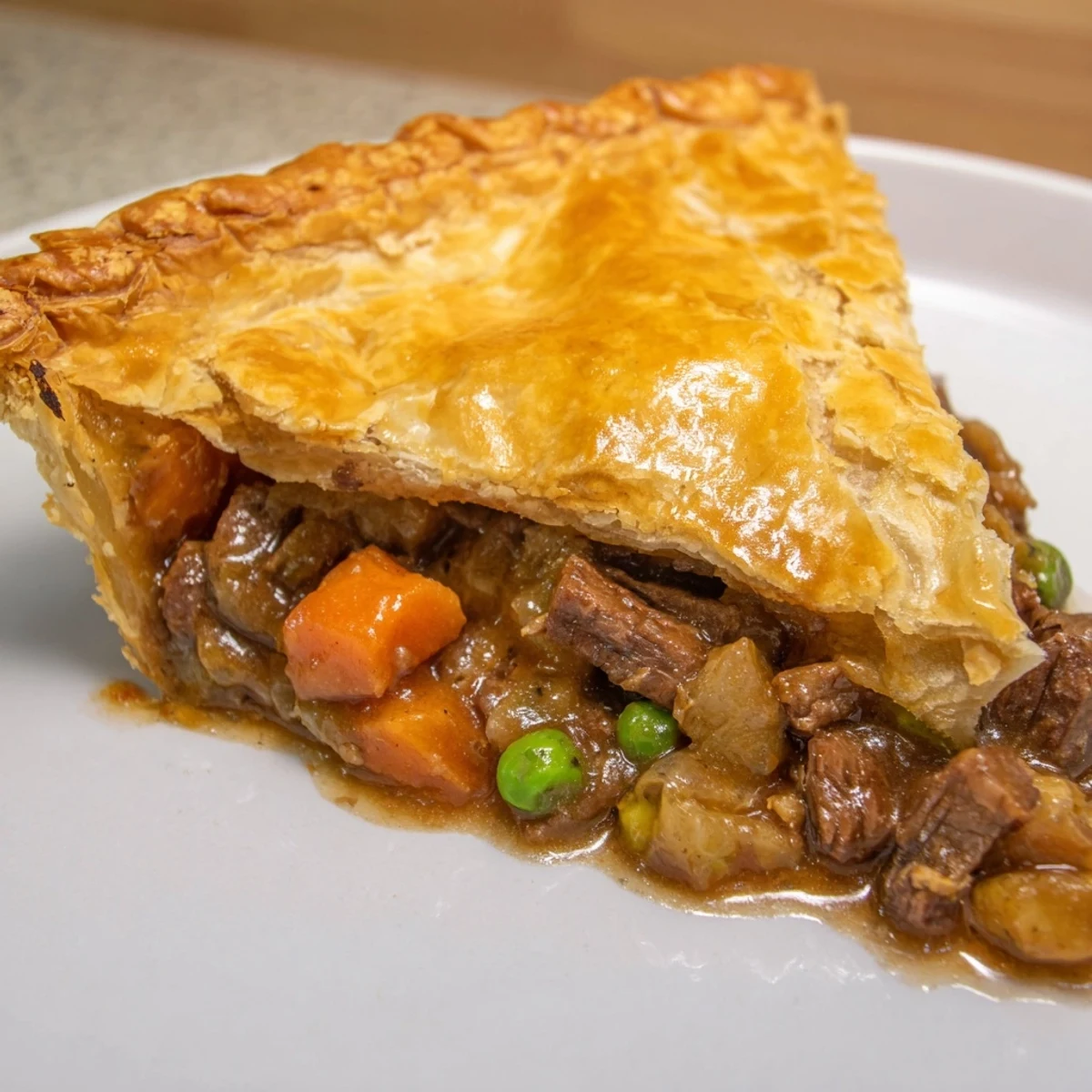
Pin This savory dish features tender beef chuck simmered with onions, carrots, and celery in a rich, wine-infused sauce. The filling is encased in a homemade, buttery flaky pastry that bakes to a golden perfection. It takes a bit of time to prepare, but the result is a comforting, hearty meal ideal for sharing with family.
There's something about the smell of beef simmering with wine and herbs that makes you feel like you're doing something right in the kitchen. My first beef pie came together almost by accident on a cold Sunday afternoon when I had some good beef chuck, leftover wine, and the sudden craving for something warm and substantial that would fill the house with that rich, homey aroma. I'd watched my mum make pastry a hundred times, but never quite trusted myself with butter and flour until that day. Now it's become one of those dishes I make when I want to impress people or just when I need the comfort of something golden and flaky coming out of the oven.
I remember serving this pie to my partner's family for the first time and watching their faces light up when I brought it to the table with that golden crust still steaming. Someone asked if I'd learned to cook professionally, which made me laugh because just two hours earlier I was nervously checking if the edges were browning too fast. That's when I realized a homemade beef pie isn't just dinner; it's a small act of showing you care enough to spend your afternoon in the kitchen.
Ingredients
- All-purpose flour (2 ½ cups): The foundation of your crust; use the best quality you have because it genuinely makes the pastry lighter and more tender.
- Cold unsalted butter (1 cup): This is where flakiness lives, so don't skip the coldness step; I keep mine in the freezer until the last second.
- Ice water (½ cup): Add it slowly and stop the moment your dough comes together; overworking it is the enemy of a tender crust.
- Beef chuck (2 lbs): This cut has enough marbling to become impossibly tender during the long simmer, and it's forgiving if you're new to braising.
- Onion, garlic, carrots, and celery: These create the aromatic base that makes the whole pie taste like it took all day to make.
- Tomato paste and flour: The tomato paste deepens the flavor, and the flour thickens the filling just enough to keep your crust from getting soggy.
- Beef broth and red wine: The wine adds richness that broth alone can't achieve; it's worth using something you'd actually drink.
- Worcestershire sauce, thyme, and bay leaf: These three are the quiet backbone that makes people ask what your secret is.
- Frozen peas: They add a pop of sweetness and color; I add them at the end so they stay bright and firm.
Instructions
- Make the Pastry (the part that seems scariest):
- Whisk your flour and salt together, then work in those cold butter cubes using a pastry blender or your fingertips until everything looks like coarse crumbs. This texture is your clue you're on the right track. Add ice water a little at a time, stirring gently until the dough just comes together without any dry flour pockets, then divide it in half, flatten each piece into a disk, wrap them in plastic, and let them rest in the fridge for at least an hour while you focus on the filling.
- Brown the Beef (where the flavor journey begins):
- Pat your beef dry and season it generously with salt and pepper, then sear it in batches in hot oil over medium-high heat until all sides are deeply browned; this takes patience and you should hear a good sizzle when the meat hits the pan. Don't crowd the pot or you'll steam it instead of searing it.
- Build the Filling Base:
- Once the beef is out, add your chopped onion, garlic, carrots, and celery to the same pot and let them soften for about five to seven minutes until the onion is translucent. Then stir in the tomato paste and let it cook for a minute so it caramelizes slightly against the hot pot.
- Thicken and Flavor:
- Sprinkle flour over everything and stir well for another minute to cook off that raw flour taste. This creates a thickening agent that will keep your filling from being watery once it's baked inside that precious crust.
- Simmer Until Tender:
- Return the beef to the pot, pour in your broth, wine, Worcestershire sauce, and herbs, then bring it to a boil before reducing the heat and covering it. Let it simmer gently for about an hour, stirring occasionally, until the beef breaks apart easily with a spoon and the sauce has darkened and deepened.
- Finish and Cool:
- Stir in the frozen peas and cook for five more minutes, then remove the bay leaf and taste for seasoning. Spread the filling on a shallow pan and let it cool to room temperature before assembling; this step prevents a soggy bottom crust and honestly gives you time to breathe.
- Assemble Your Pie:
- Preheat your oven to 400°F (200°C), then roll out one pastry disk on a floured surface and fit it into your pie dish, trimming the excess. Fill it with your cooled beef mixture, then roll out the second disk and lay it over the top, trimming and crimping the edges with a fork.
- Finishing Touches:
- Cut a few small slits in the top to let steam escape, then brush the whole thing with beaten egg to give it that magazine-cover golden shine. This egg wash is the difference between a nice pie and a stunning pie.
- Bake Until Golden:
- Place the pie on a baking sheet to catch any drips, then bake for 40 to 45 minutes until the crust is golden brown and the edges are deeply caramelized. Let it stand for 15 minutes before slicing so the filling can set slightly and you won't burn your mouth on scalding beef.
 Pin
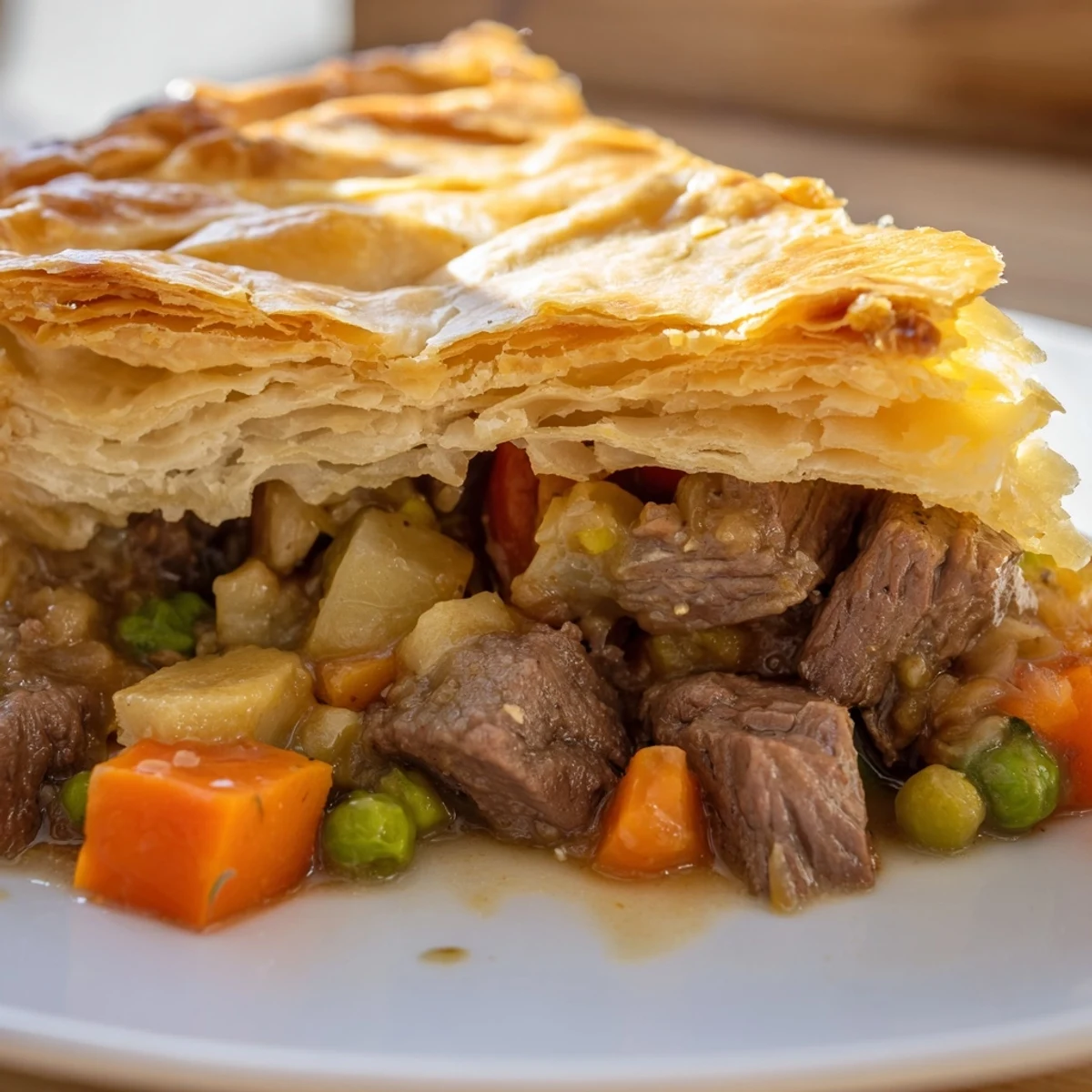
Pin There was this moment when I pulled the pie from the oven and the crust was so perfect and golden that I actually paused before cutting into it, wanting to preserve that moment of pure pastry beauty. It's silly, but that's when I understood why people talk about homemade pie with such reverence; it's not just the taste, it's the satisfaction of creating something substantial and beautiful with your own hands.
The Pastry Secret Nobody Talks About
The reason restaurant pastry tastes better isn't usually because of some special ingredient; it's because they understand that butter needs to stay cold and in visible little pockets throughout the dough. When you see those little yellow flecks in your raw pastry before baking, those are exactly what create the flaky layers. I used to overwork my dough trying to make it perfectly smooth, but the lumpy, slightly shaggy texture is actually what you want.
Why This Filling Works
The combination of red wine, tomato paste, and Worcestershire sauce creates a depth of flavor that tastes like it's been simmering for hours even though you're done in ninety minutes. The tomato paste adds sweetness and acidity that balances the richness of the beef, while the wine cuts through the heaviness and makes each spoonful feel more complex. I've tried versions with just broth and they were fine, but the moment I added wine and tomato paste, people started asking for seconds.
Making It Your Own
Once you understand how this pie works, you start seeing endless variations, which is honestly the best part about learning to cook something this foundational. Some people swear by adding a splash of balsamic vinegar or even a teaspoon of soy sauce to the filling for extra umami depth. You could also substitute mushrooms for half the beef to stretch it further and create a lighter texture, though the cooking time stays the same.
- A splash of balsamic vinegar added near the end transforms the sauce into something you'll find yourself thinking about for days.
- Serve it with creamy mashed potatoes and a glass of the same wine you used in the filling for a complete, restaurant-quality meal.
- Leftover pie is legitimately better the next day when flavors have settled and melded together, so don't hesitate to make this ahead.
 Pin
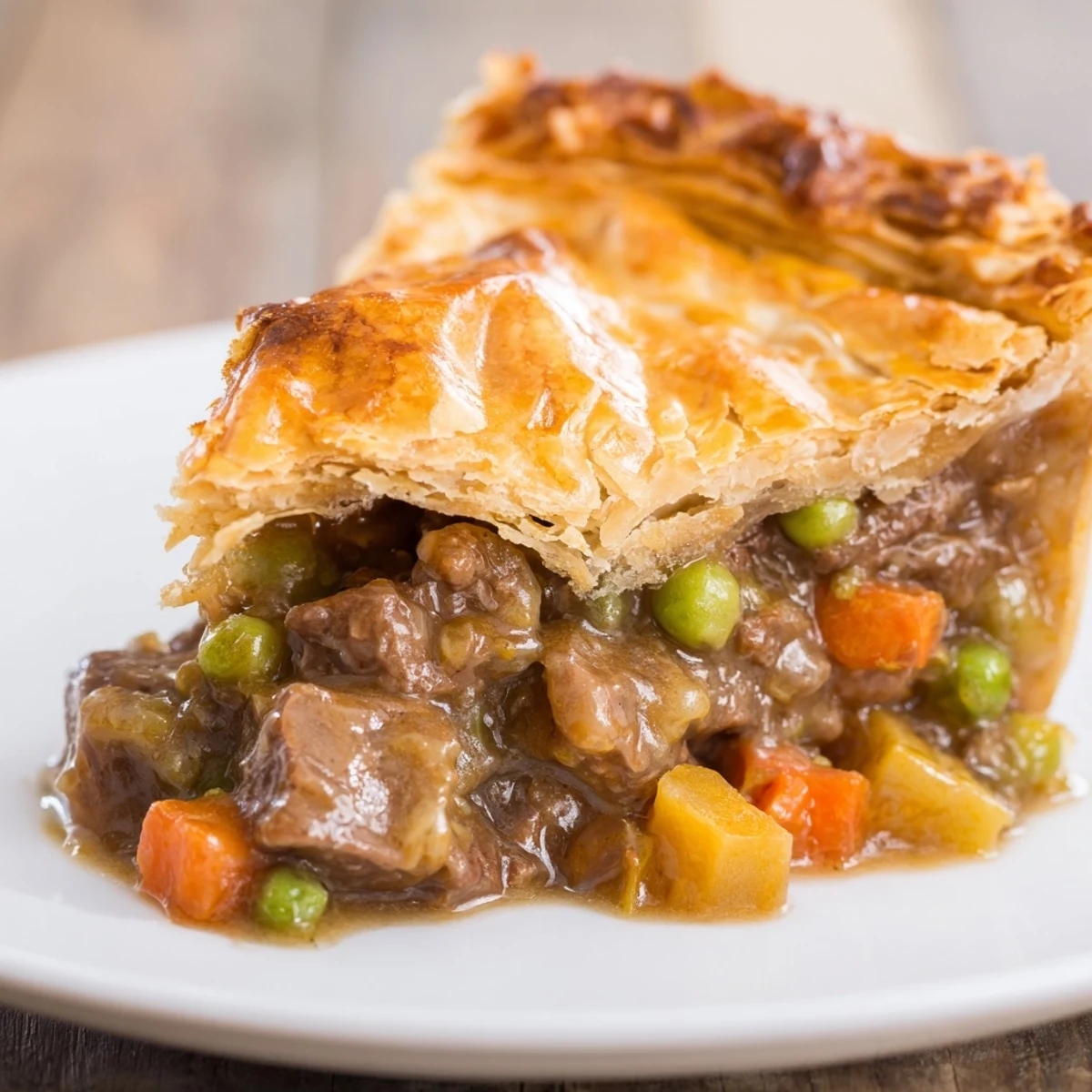
Pin This pie has become my go-to dish when I want to feed people something that tastes like home, whether that's my home or theirs. There's real magic in a pastry crust that shatters under your fork and beef so tender it doesn't need a knife.
Recipe Questions & Answers
- → Can I make the pastry ahead of time?
-
Yes, the pastry dough can be made up to two days in advance and kept wrapped in the refrigerator.
- → What cut of beef is best?
-
Chuck is ideal because it becomes tender during the slow simmering process.
- → Can I use store-bought pastry?
-
Yes, store-bought puff or shortcrust pastry works well to save time.
- → How should I store leftovers?
-
Store in an airtight container in the refrigerator for up to 3 days.
- → Can I freeze this?
-
You can freeze the assembled, unbaked pie, or freeze the filling and pastry separately.