
 Pin
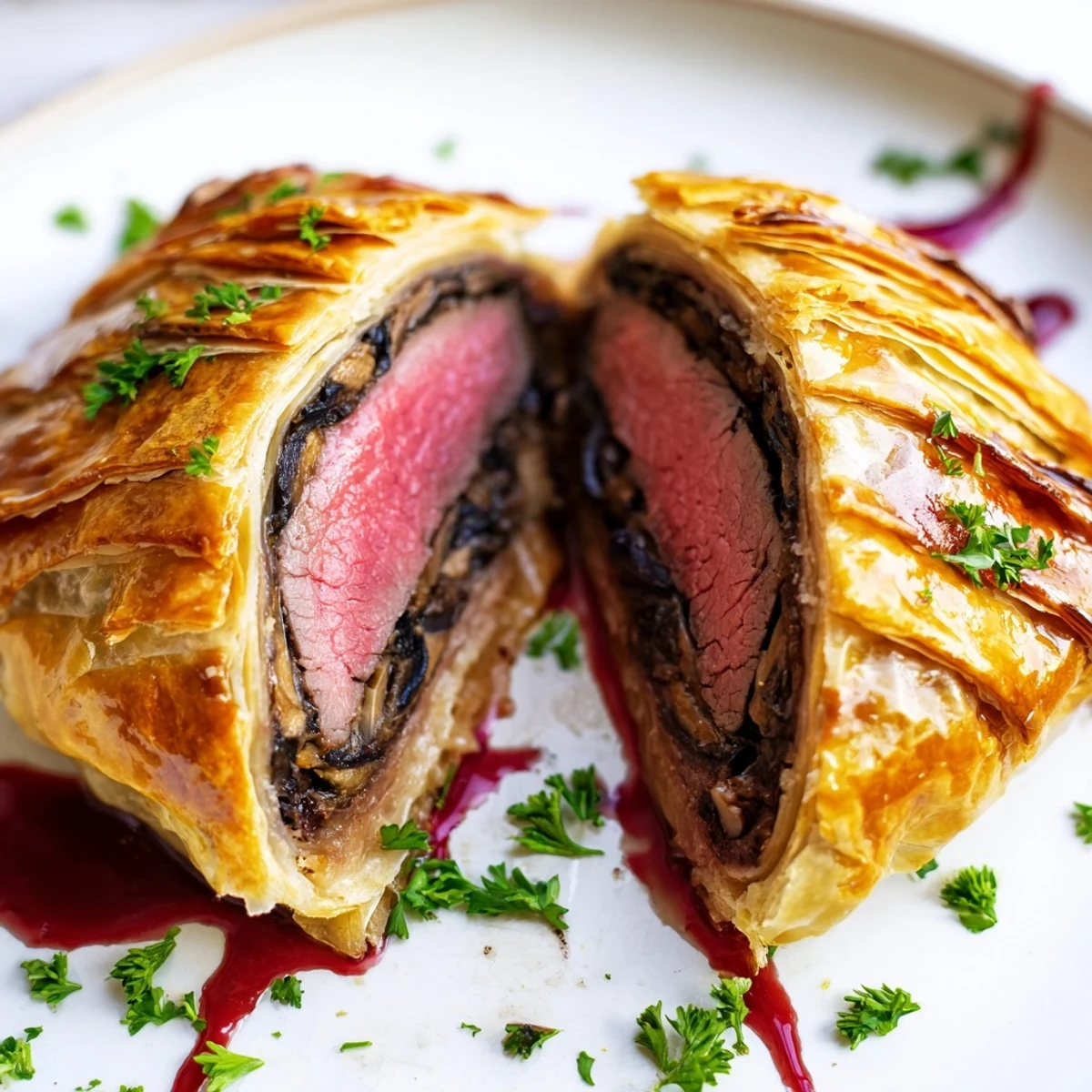
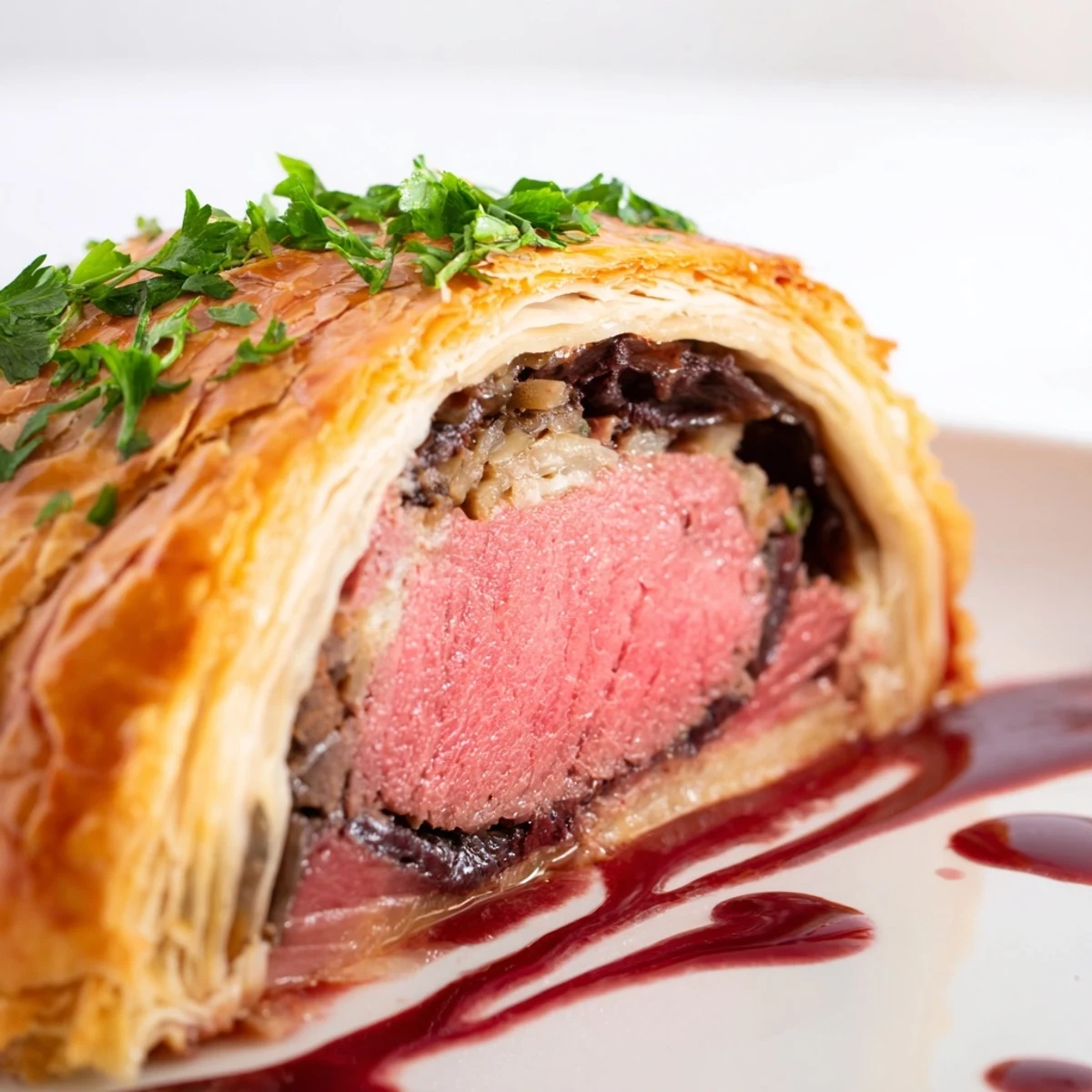
Pin This classic dish features a succulent beef fillet seared to perfection, coated with a savory mushroom duxelles and prosciutto layer, then wrapped in flaky golden puff pastry. The process includes careful preparation of the duxelles, precise seasoning, and an expertly timed bake to achieve medium-rare doneness. Perfect for celebratory dinners, the flavors combine earthy mushrooms with rich beef and crisp pastry, offering a balanced and elegant main course.
The first time I attempted Beef Wellington, I was convinced I'd ruin it—all that wrapping, the pastry, the timing. But watching that golden pastry emerge from the oven, glistening and crackling under the heat, transformed my entire relationship with fancy cooking. It turns out that Wellington isn't about perfection; it's about layering flavors and textures in a way that feels like you're doing something extraordinary, even when you're just following your instincts.
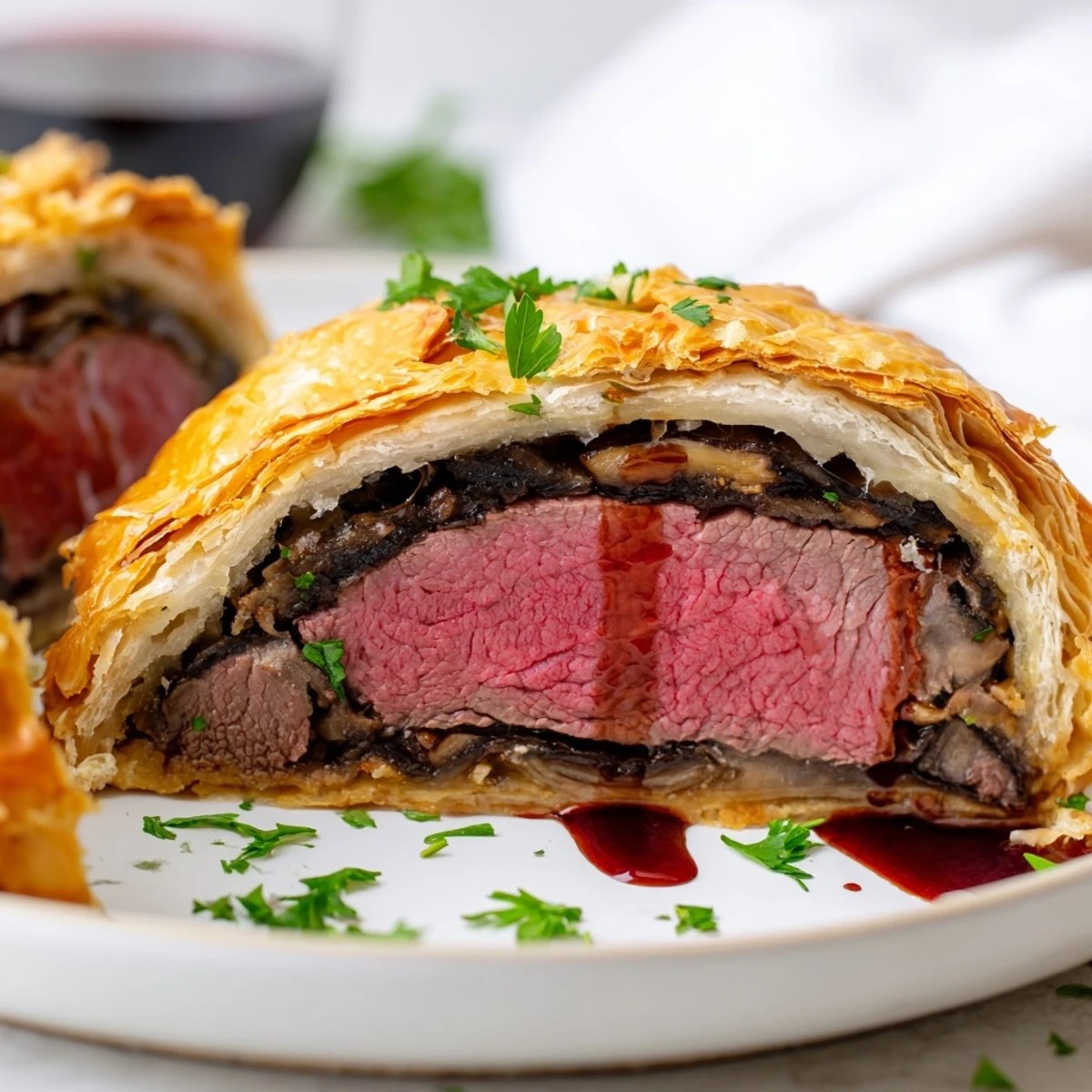
I remember making this for my partner's birthday dinner last winter—the kitchen was warm from the oven, and there was this moment right before I sliced it where I held my breath, half-terrified something had gone wrong inside. The knife glided through that golden crust, and the beef was perfect, rose-pink in the center, surrounded by that savory mushroom layer. Their face said everything, and suddenly all the worry from earlier dissolved.
Ingredients
- Center-cut beef tenderloin (2 to 2.5 lb): This is the star, so choose a cut that's evenly shaped and well-trimmed to ensure even cooking and beautiful slices.
- Salt and freshly ground black pepper: Don't skimp here—season boldly before searing to develop that rich crust.
- Olive oil: Use it to get the beef gorgeously browned on all sides, which builds the foundation of flavor.
- Cremini or button mushrooms (1 lb), finely chopped: The finely chopped texture is crucial; you want them almost paste-like so they cling to the beef without sliding off.
- Unsalted butter: It carries the flavor of the shallots and garlic in a way that makes the duxelles taste luxurious.
- Shallots and garlic, minced: These create the aromatic base that transforms ordinary mushrooms into something deeply savory.
- Fresh thyme leaves: It's the bridge between the earthy mushrooms and the richness of the beef.
- Prosciutto (8–10 thin slices): This acts as a barrier between the duxelles and pastry, keeping everything from getting soggy while adding subtle salt and umami.
- Dijon mustard: A thin layer adds sharp, sophisticated flavor that cuts through the richness beautifully.
- Puff pastry (1 lb): Make sure it's properly thawed before rolling to avoid cracking and to ensure an even, crispy bake.
- Egg wash: This is what gives that stunning golden shine and ensures everything seals properly.
Instructions
- Get your oven ready and prepare the beef:
- Preheat your oven to 425°F—this high heat is what turns that pastry golden and crispy. While it's warming up, pat your beef tenderloin dry and season it aggressively with salt and pepper; you want a visible crust of seasoning because that's what caramelizes and tastes incredible.
- Sear the beef until it's gorgeously browned:
- Heat olive oil in a heavy skillet over medium-high heat until it shimmers. Place the beef in and let it sit for about 2 minutes per side, turning only once or twice—you're creating a crust, not cooking it through. The beef should release easily from the pan when it's ready to flip, and it'll smell absolutely intoxicating.
- Build the mushroom duxelles:
- Melt butter in your skillet and add the minced shallots and garlic, letting them soften for a couple of minutes until fragrant. Add your finely chopped mushrooms along with the thyme, and here's where patience matters—stir occasionally and let them cook until they've released all their moisture and the mixture looks almost dry, about 10–12 minutes. This step is non-negotiable; wet duxelles will make your pastry soggy.
- Coat the beef with mustard and cool everything:
- Once the beef has cooled slightly, brush it generously with Dijon mustard—the sharp, tangy flavor is the secret weapon here. Let both the beef and duxelles cool to room temperature before moving forward; warm layers will cause the pastry to become greasy and limp.
- Wrap the beef in prosciutto and duxelles:
- Lay out a large sheet of plastic wrap and arrange your prosciutto slices overlapping slightly, forming a rectangle that's big enough to wrap around the beef with some overhang. Spread the cooled duxelles evenly over the prosciutto, then place the beef on top. Roll everything tightly using the plastic wrap as your guide, creating a snug log shape, then twist the ends and refrigerate for at least 30 minutes—this sets everything in place.
- Wrap it all in pastry:
- On a lightly floured surface, roll your puff pastry into a rectangle large enough to completely encase the beef. Remove the beef from its plastic wrap and place it in the center of the pastry, then brush the edges with beaten egg wash to act as glue. Fold the pastry over the beef, pressing the seams together firmly and tucking the ends underneath, then place seam-side down on your parchment-lined baking sheet.
- Add the finishing touch:
- Brush the entire pastry surface with egg wash—this is what creates that beautiful golden-brown finish. If you want to get fancy, cut decorative shapes from any leftover pastry and stick them on with a bit more egg wash before the final brush.
- Bake until it's perfect:
- Bake for 40–45 minutes, checking around the 35-minute mark to ensure the pastry isn't browning too quickly. Insert an instant-read thermometer into the thickest part of the beef; you're aiming for 120–125°F for medium-rare. The pastry should be deeply golden and crackling when you tap it.
- Rest before slicing:
- Let the Wellington rest for 10–15 minutes before cutting into it—this gives the beef fibers time to relax and reabsorb the juices, ensuring every slice is tender and moist.
 Pin
Pin There's a moment, right when you pull it from the oven and hear that pastry crackle as it cools slightly, where you realize you've done something truly special. That's when Wellington stopped being intimidating for me and became something I actually enjoy making.
Why the Layers Matter
Every layer of Wellington exists for a reason, and understanding why helps you feel confident making it. The prosciutto isn't just there for flavor—it's a moisture barrier that keeps the pastry from becoming soggy from the mushrooms. The duxelles, reduced to an almost paste-like consistency, clings to the beef and creates a savory seal. The mustard adds acidity and complexity that prevents the whole thing from tasting one-dimensional. When you stack these layers intentionally, you're not just following steps; you're building flavor architecture.
Timing Is Your Friend
What makes Wellington feel less intimidating is understanding the timeline: you can sear the beef hours ahead, make the duxelles the day before, even assemble and refrigerate everything a few hours before baking. The actual cooking time is less than an hour, which means you can have this elegant, restaurant-quality dish on the table without spending all day in the kitchen. I usually prep during the afternoon, then pop it in the oven about an hour before dinner service.
Serving and Pairing
Wellington is the kind of dish that invites accompaniments—the richness of the beef and the earthiness of the mushrooms are elevated by something bright, something green, something with acidity. I usually serve it alongside roasted potatoes for comfort and a simple green bean almondine or a fresh arugula salad to cut through the richness. A full-bodied red wine like Bordeaux or a quality Pinot Noir is the obvious choice, but honestly, if you want to add pâté between the duxelles and the beef (as the original recipe sometimes does), that's when you're really entering show-off territory.
- Pair with a silky red wine that has enough body to stand up to the beef but enough acidity to cut through the pastry and mushrooms.
- Serve with something light and green—it's the perfect counterpoint to all that richness.
- Let the pastry be the star of the presentation; slice at the table if you're feeling theatrical.
 Pin
Pin Wellington teaches you that impressive food doesn't need to be complicated, just intentional. Once you've made it once, you'll find yourself reaching for it whenever you want to feel like you're cooking something extraordinary.
Recipe Questions & Answers
- → What cut of beef is best for this dish?
-
Center-cut beef tenderloin is preferred for its tenderness and size, ideal for even cooking.
- → How is mushroom duxelles prepared?
-
Finely chopped mushrooms are sautéed with butter, shallots, garlic, thyme, salt, and pepper until moisture evaporates and mixture becomes paste-like.
- → What is the purpose of wrapping the beef in prosciutto?
-
Prosciutto adds a salty flavor and helps keep the mushroom duxelles firmly around the beef during baking.
- → How do you ensure the pastry stays crisp after baking?
-
Brushing the puff pastry with egg wash before baking helps achieve a golden and crispy crust.
- → What is the recommended serving temperature for the beef?
-
Cook until an internal thermometer reads 120–125°F (49–52°C) for medium-rare, allowing the beef to rest before slicing.
- → Can this dish be prepared in advance?
-
Yes, after assembling, the wrapped beef can be refrigerated for up to 30 minutes before baking to maintain shape and flavor.