
 Pin
Pin This bright lemon loaf delivers a perfect balance of sweet and tangy flavors, with a moist crumb and fragrant citrus aroma. The secret is rubbing fresh lemon zest into the sugar before creaming with butter, which releases essential oils for maximum flavor.
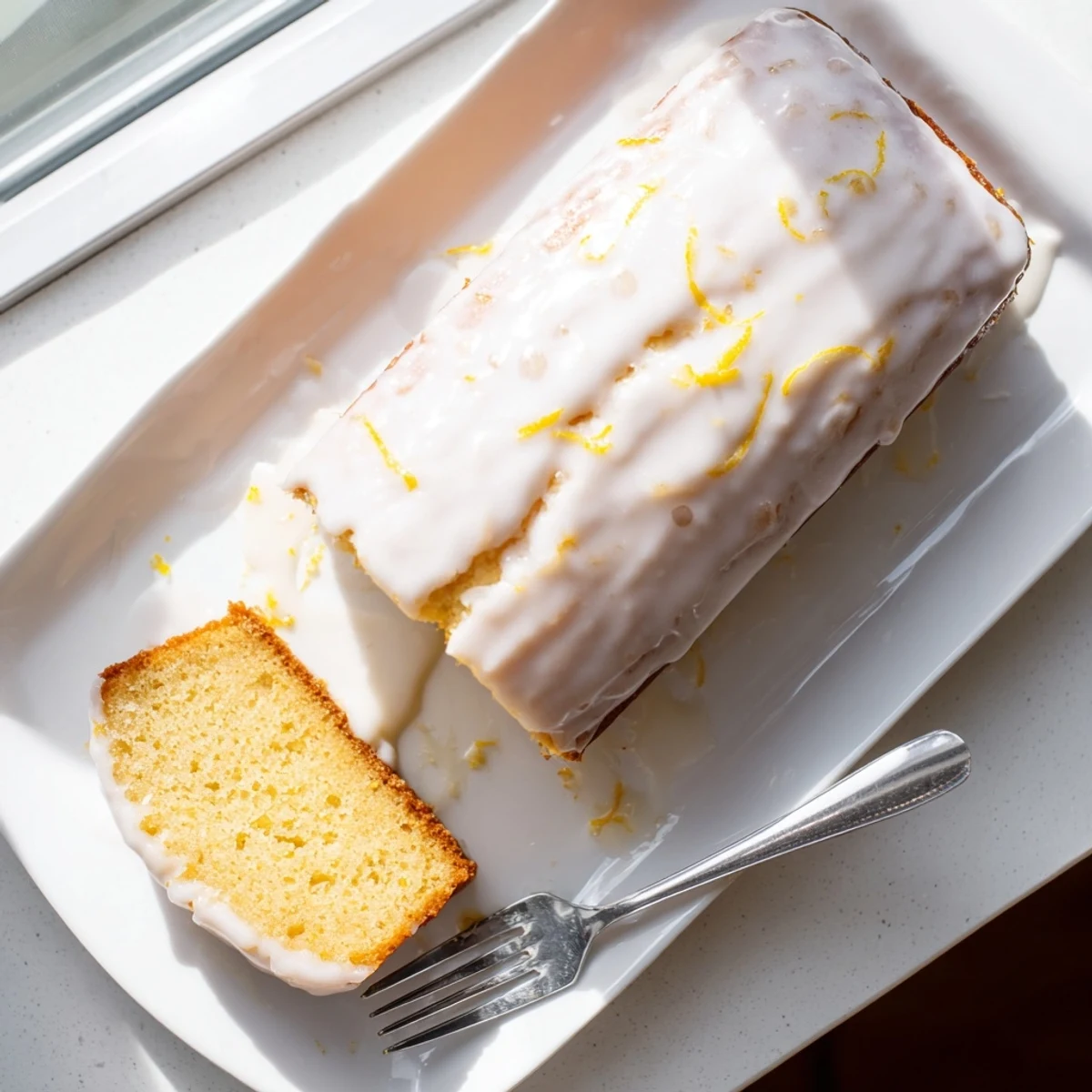
The finished loaf features a tender texture and golden crust, topped with a sweet-tart glaze that adds both visual appeal and extra lemon intensity. It's an ideal treat for serving with tea, bringing a touch of brightness to any afternoon.
Best served slightly warmed, this loaf keeps beautifully for several days and actually develops more pronounced lemon notes as it sits. The glaze can be adjusted to your preferred thickness by varying the amount of lemon juice.
The kitchen filled with this incredible bright citrus scent when I first tried rubbing lemon zest directly into sugar. My youngest cousin walked in and immediately announced that something happy was happening. That simple technique, which I learned from an old British baking book, transformed everything I thought I knew about lemon cakes.
I made this loaf last spring for a neighbor who was recovering from surgery. She sent me a text two hours later saying the whole house smelled like sunshine and she had already eaten two slices with her tea. Sometimes simple food really is the best medicine.
Ingredients
- All-purpose flour: Provides structure while keeping the crumb tender and light
- Baking powder and baking soda: Work together to give the loaf its rise and soft texture
- Salt: Enhances and balances all the bright citrus flavors
- Granulated sugar: Creates the base for that magical lemon infused sugar mixture
- Lemon zest: The essential oils in the zest carry all the real lemon flavor you want
- Unsalted butter: Room temperature butter creates air pockets when beaten making the loaf fluffy
- Eggs: Must be room temperature to properly emulsify with the butter and sugar
- Whole milk: Adds moisture and richness without making the loaf heavy or dense
- Freshly squeezed lemon juice: Provides acidity and brightness plus activates the baking soda
- Pure vanilla extract: Rounds out the sharp citrus notes with warm floral sweetness
- Powdered sugar: Creates a smooth thick glaze that sets perfectly on the cooled loaf
- Fresh lemon juice for glaze: Adjust to get the exact pourable consistency you want
Instructions
- Prepare your oven and pan:
- Preheat to 350°F and grease your loaf pan with butter then line it with parchment paper so the loaf lifts out easily later.
- Whisk the dry ingredients:
- In a medium bowl combine the flour baking powder baking soda and salt until everything is evenly distributed.
- Make the lemon sugar:
- Rub the lemon zest into the granulated sugar with your fingertips until the sugar becomes fragrant and slightly yellow.
- Cream the butter and sugar:
- Beat the softened butter into the lemon sugar until the mixture looks pale and fluffy which takes about 2 to 3 minutes.
- Add the eggs:
- Beat in each egg one at a time making sure the first is fully incorporated before adding the second.
- Mix in the flavorings:
- Add the vanilla extract and lemon juice mixing until they are fully blended into the batter.
- Combine everything:
- Gently fold in half the dry ingredients followed by the milk then finish with the remaining dry ingredients stopping as soon as the flour disappears.
- Bake the loaf:
- Pour the batter into your prepared pan smooth the top and bake for 45 to 50 minutes until a toothpick comes out clean.
- Cool completely:
- Let the loaf rest in the pan for 10 minutes then move it to a wire rack until it is entirely cool before glazing.
- Make and apply the glaze:
- Whisk the powdered sugar with enough lemon juice to reach a thick pourable consistency then drizzle it generously over the cooled loaf.
 Pin
Pin This recipe has become my go to for spring birthdays and office potlucks. Last month my coworker actually asked if I could bake one for her mother who was turning 80 because nothing else quite says celebration like something this bright and cheerful.
Making It Ahead
The unglazed loaf freezes beautifully for up to three months wrapped tightly in plastic then foil. I often bake two on Sunday glaze one for immediate enjoyment and tuck the other away for those unexpected moments when you need a quick homemade treat.
Getting The Most Lemon Flavor
Microplane zesters release more essential oils than traditional box graters so you get more flavor from the same amount of zest. Rolling your lemons firmly on the counter before zesting also helps break down the internal membranes and releases even more of those aromatic oils.
Serving Suggestions
Slice this loaf thick and serve it slightly warmed in the microwave for about ten seconds. The glaze will get soft and gooey while the cake becomes fragrant again just like it came fresh from the oven.
- Serve alongside a steaming cup of Earl Grey tea to really bring out the citrus notes
- Add a dollop of clotted cream or Greek yogurt for a more indulgent afternoon treat
- Try toasting leftover slices the next day with a little butter for breakfast
 Pin
Pin There is something so cheerful about a lemon loaf sitting on the counter. Even on gray rainy days this cake manages to make the whole kitchen feel a little brighter.
Recipe Questions & Answers
- → How do I know when the loaf is fully baked?
-
Insert a wooden toothpick into the center of the loaf. If it comes out clean or with just a few moist crumbs, it's done. The top should be golden brown and the sides should start pulling away from the pan slightly.
- → Can I use bottled lemon juice instead of fresh?
-
Fresh lemon juice is recommended for the best flavor and acidity balance. Bottled juice can sometimes taste metallic or overly acidic. For the glaze specifically, fresh juice creates a brighter, more natural citrus flavor.
- → Why rub the lemon zest into the sugar?
-
Rubbing zest into sugar releases the essential oils from the lemon peel, distributing the lemon flavor more evenly throughout the batter. This technique maximizes the citrus essence and creates a more fragrant loaf.
- → How should I store the lemon loaf?
-
Once completely cooled and glazed, store in an airtight container at room temperature for up to 3 days. The glaze needs to set fully before covering. For longer storage, wrap individual slices and freeze for up to 3 months.
- → Can I make this loaf ahead of time?
-
The loaf actually tastes better the next day as flavors develop and meld. Bake and cool completely, then store without glazing. Add the glaze the day you plan to serve for the freshest appearance and texture.
- → What can I serve with lemon loaf?
-
This pairs beautifully with Earl Grey or jasmine tea, as noted. For extra indulgence, serve with clotted cream, whipped cream, or a dollop of crème fraîche. Fresh berries on the side complement the citrus flavors nicely.