
 Pin
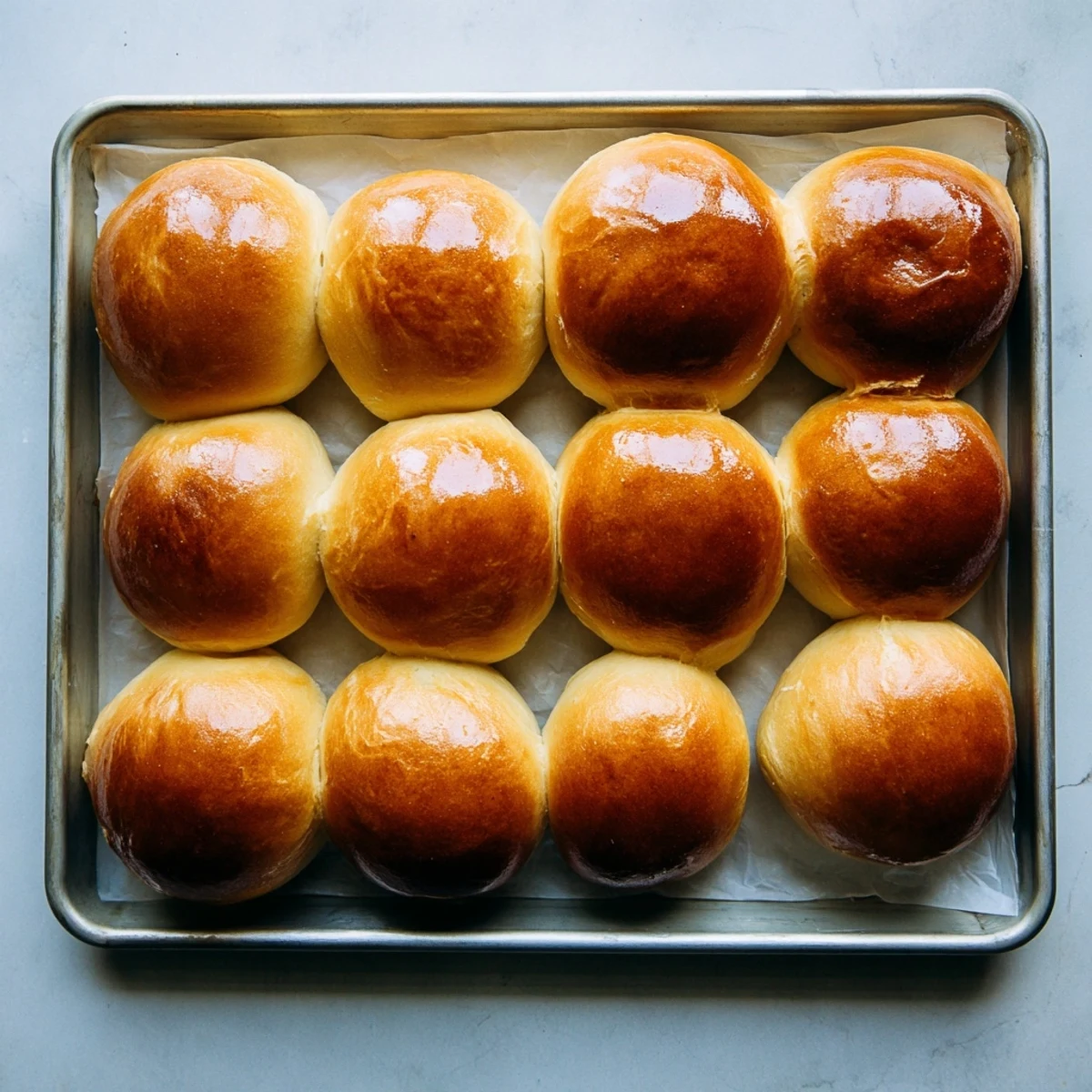
Pin These golden brioche rolls deliver an incredibly soft, buttery experience that transforms any meal into something special. The dough enriched with eggs and butter creates a tender crumb that practically melts on your tongue, while the golden crust adds just the right amount of subtle sweetness. Perfect alongside morning coffee or as a dinner accompaniment, each warm roll offers that irresistible French bakery quality right from your own oven. The two-rise process develops deep flavor and cloud-like texture that makes these utterly addictive.
My tiny apartment kitchen smelled like a French bakery at 7am, and I hadn't even had coffee yet. That first batch of brioche dough was stickier than anything I'd ever handled, and I briefly questioned every life choice that led me to attempt French breadmaking before dawn. But then they came out of the oven—golden clouds of butter that practically floated off the pan—and suddenly the flour coating my hair seemed totally reasonable.
Last Thanksgiving, I made three batches because my family kept eating them straight from the cooling rack. My brother actually hid two rolls in his pocket to take home, which I only discovered when I found butter stains on his jacket later that night.
Ingredients
- All-purpose flour: Bread flour works too, but I love the tender crumb regular flour gives these rolls
- Instant yeast: No need to proof it first, which means one less thing to remember when you're half-awake
- Unsalted butter: Softened to room temperature so it incorporates beautifully into that rich dough
- Eggs: Room temperature eggs blend better and help create that signature brioche texture
- Whole milk: Lukewarm, not hot—you want to wake up the yeast without killing it
Instructions
- Mix your base:
- Combine flour, sugar, yeast, and salt in your stand mixer, then add those room temperature eggs and warm milk until a rough shaggy dough forms
- Work in the butter:
- Drop in those softened butter cubes one at a time, letting each disappear completely before adding the next, then knead on medium for about 10 minutes until the dough transforms into something smooth and elastic that feels like silk under your fingers
- Let it rise:
- Transfer to a greased bowl, cover with plastic wrap, and walk away for anywhere from 1 to 1.5 hours until it's doubled in size and pokes back slowly when you press it
- Shape the rolls:
- Punch down gently, divide into 12 equal pieces, and tuck the edges under each piece to form smooth tight balls before arranging them in your baking pan with a little space to grow
- Second rise:
- Cover again and let them puff up for another 45-60 minutes until they're looking plump and cozy
- Bake to golden:
- Brush with the egg wash, slide into a 350°F oven, and check after 18 minutes—you want them deeply golden brown and sounding hollow when you tap the tops
 Pin
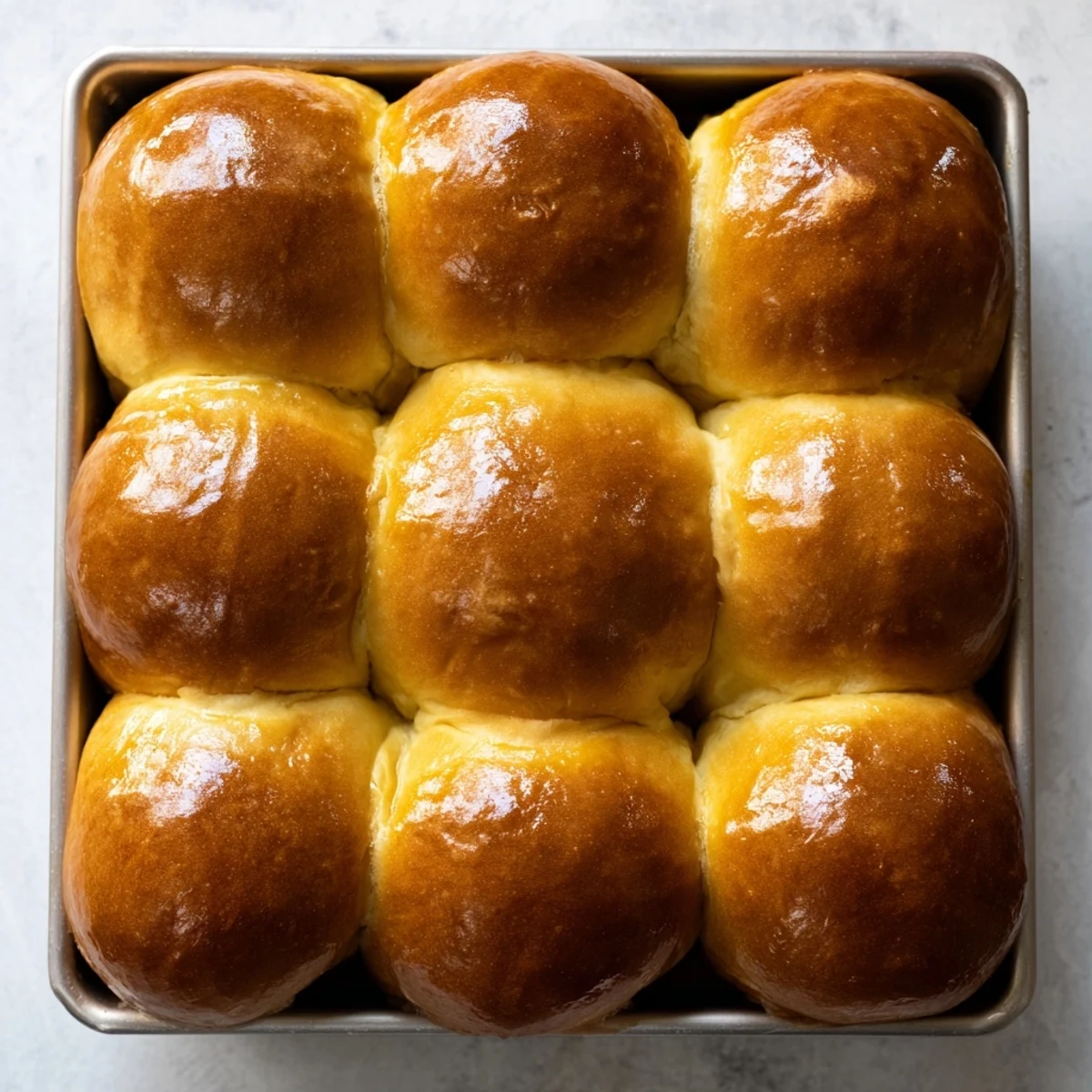
Pin These have become my go-to for housewarming gifts because nothing makes people feel more welcomed than warm homemade bread. Last week my neighbor texted me at midnight asking for the recipe after eating one roll, which I consider the highest compliment possible.
Making Ahead
I often mix the dough the night before and let it do its first rise in the refrigerator. The cold slows things down beautifully, and cold dough is actually easier to shape into those perfect rounds.
Serving Ideas
Slice them in half for the most incredible burger buns you've ever experienced. My friend uses leftover rolls for French toast the next morning, and honestly that might be even better than fresh.
Storage Secrets
These freeze remarkably well if you wrap them individually as soon as they're completely cool. I keep a stash in the freezer for emergency bread needs.
- Reheat frozen rolls at 300°F for about 10 minutes while wrapped in foil
- Day-old rolls make excellent breadcrumbs or croutons for soup
- Never store warm rolls in plastic or they'll get soggy and sad
 Pin
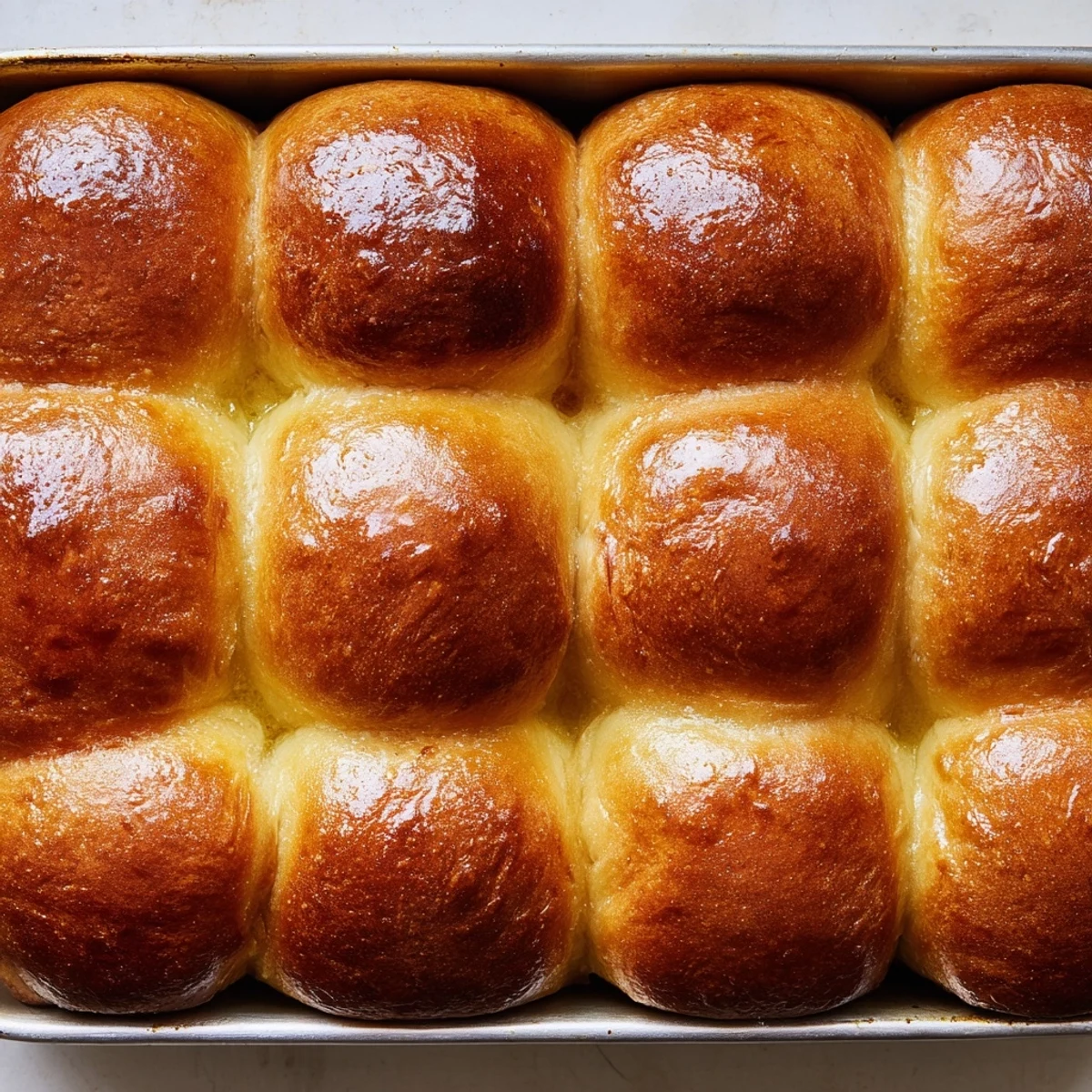
Pin There's something magical about pulling warm bread from your own oven, and these rolls make that magic feel totally achievable. Happy baking, friend.
Recipe Questions & Answers
- → What makes brioche different from regular bread?
-
Brioche is enriched with generous amounts of butter and eggs, creating a tender, moist crumb and subtle sweetness that sets it apart from lean breads. The high fat content produces that signature melt-in-your-mouth texture and golden color.
- → Can I make these rolls without a stand mixer?
-
While a stand mixer makes the process easier, you can knead by hand. The dough will be sticky and buttery, so use a bench scraper and patience. Knead for 12-15 minutes until smooth and elastic, adding butter gradually just as you would with a mixer.
- → How do I store leftover brioche rolls?
-
Store cooled rolls in an airtight container at room temperature for up to 2 days. For longer storage, wrap tightly in plastic and freeze for up to 3 months. Thaw at room temperature and refresh in a 350°F oven for 5 minutes to restore warmth and crispness.
- → Why did my dough take longer to rise?
-
High butter content can slow yeast activity since fat coats the proteins. Ensure your milk is properly lukewarm (not hot) and find a consistently warm, draft-free spot. Rising times may vary between 1-2 hours depending on room temperature.
- → Can I add mix-ins like cheese or herbs?
-
Absolutely. After the first rise, you can fold in grated cheese, fresh herbs, or even garlic. Keep additions to about 1/2 cup total to maintain the dough's structure. Sweet variations include dried fruit or chocolate chips.