
 Pin
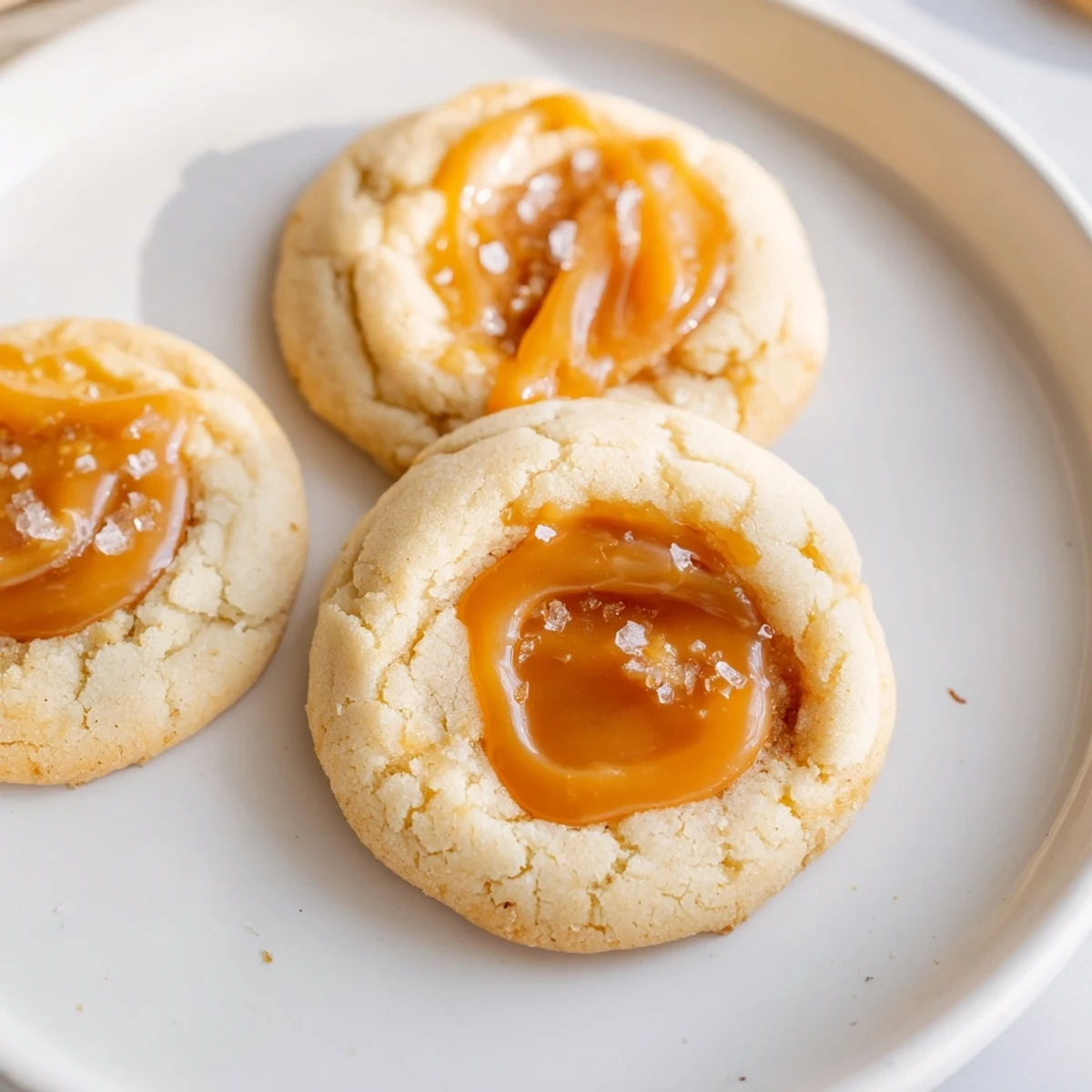
Pin These caramel cheesecake cookies combine a buttery cream cheese dough with a luscious caramel swirl, creating a soft, pillowy treat that's impossible to resist. The dough comes together quickly with basic pantry staples, then chills for 30 minutes before scooping and baking.
Each cookie is topped with a dollop of caramel sauce and gently swirled for a beautiful presentation. Bake at 350°F for 11–13 minutes until the edges turn lightly golden. They're perfect for dessert platters, holiday cookie exchanges, or an everyday sweet craving.
The kitchen smelled like a bakery had collided with a candy shop, and honestly I was not mad about it. I had leftover cream cheese from a failed bagel experiment and a jar of caramel sauce sitting untouched for weeks. These cookies were born from that desperate fridge clearing moment, and they have haunted my baking rotation ever since. Soft, puffy, with a gooey caramel center that pools just slightly, they are the kind of cookie that makes people close their eyes on the first bite.
I brought a plate of these to a neighborhood potluck last fall and watched a woman quietly eat four of them while standing over the dessert table. She came back for a fifth and asked if I sold them, which might be the greatest compliment I have ever received. My husband now requests them for every occasion, including random Tuesday nights when he claims the kitchen feels too quiet.
Ingredients
- Unsalted butter (1/2 cup, softened): Room temperature butter is non negotiable here because cold butter will leave you with lumpy dough and uneven cookies.
- Cream cheese (4 oz, softened): This is the secret weapon that makes these cookies soft and slightly tangy, so use full fat for the best texture.
- Granulated sugar (1 cup): Regular white sugar creamed with the butter gives these cookies their delicate crisp edge.
- Large egg (1): One egg binds everything together without making the dough too wet.
- Vanilla extract (1 tsp): A good quality vanilla elevates the entire flavor profile, so skip the imitation stuff if you can.
- All purpose flour (2 cups): Spoon and level your flour rather than scooping directly from the bag to avoid dense cookies.
- Baking powder (1/2 tsp): Just enough lift to keep them soft and pillowy without puffing into little domes.
- Salt (1/4 tsp): A small pinch enhances every other flavor and prevents the cookies from tasting flat.
- Soft caramel sauce (1/2 cup, slightly cooled): Store bought works beautifully but if your sauce is very runny, chill it briefly so it does not spread everywhere during baking.
Instructions
- Beat the butter and cream cheese:
- Using an electric mixer on medium speed, beat the softened butter and cream cheese in a large bowl until the mixture is completely smooth and creamy, about 2 minutes. You want no visible streaks of white, just a silky blended base.
- Add the sugar:
- Pour in the sugar and beat until the mixture turns noticeably lighter in color and fluffy in texture, scraping down the bowl halfway through. This aeration is what gives the cookies their tender crumb.
- Incorporate the egg and vanilla:
- Add the egg and vanilla extract, mixing until everything is well combined and the batter looks cohesive. Stop mixing once you no longer see wet patches of egg.
- Mix in the dry ingredients:
- In a separate bowl, whisk the flour, baking powder, and salt together, then gradually add this to the wet mixture on low speed. Mix only until the last streak of flour disappears because overworking the dough makes tough cookies.
- Chill the dough:
- Cover the bowl tightly and refrigerate for at least 30 minutes so the dough firms up enough to scoop without spreading into puddles on the pan.
- Preheat and prepare:
- Heat your oven to 350 degrees Fahrenheit and line two baking sheets with parchment paper, which prevents sticking and makes cleanup effortless.
- Scoop and shape:
- Scoop heaping tablespoons of chilled dough onto the prepared sheets, spacing them about 2 inches apart to give them room to spread. Use the back of a spoon to press a small indent into the center of each dough mound.
- Add the caramel swirl:
- Dollop about half a teaspoon of caramel sauce into each indent, then gently swirl it with a knife or toothpick for that beautiful marbled look. Do not overfill or the caramel will bubble over the edges.
- Bake until golden:
- Bake for 11 to 13 minutes, watching for the edges to turn a light golden color while the centers still look slightly underdone and soft. They will continue to set as they cool on the pan.
- Cool completely:
- Let the cookies rest on the baking sheet for 5 minutes before transferring them to a wire rack to cool completely, which prevents them from breaking apart while still delicate and warm.
 Pin
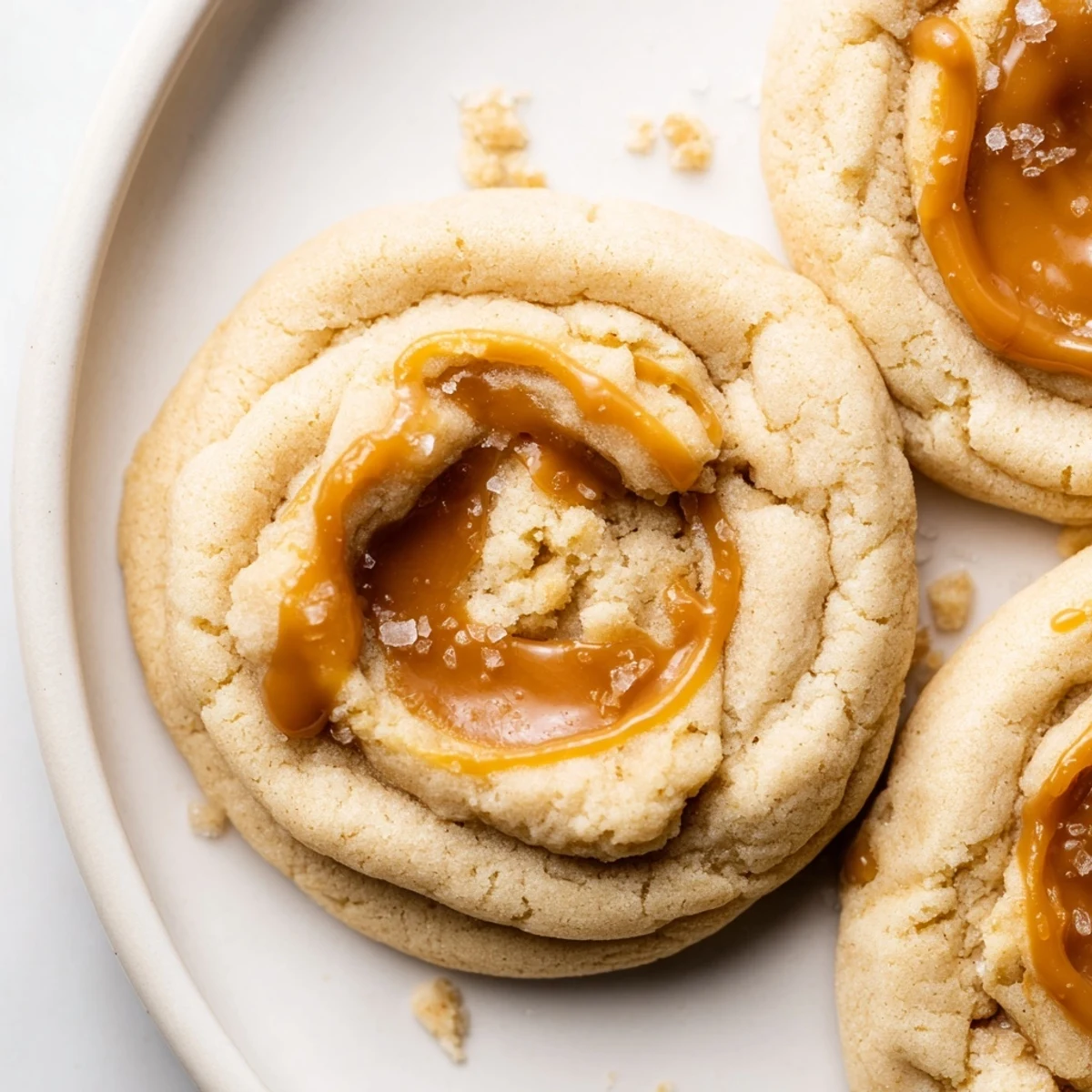
Pin The second time I made these, my daughter wandered into the kitchen just as I was swirling caramel into the dough. She sat on the counter and declared herself the official taste tester, eating two warm cookies before they even made it to the cooling rack.
The Salted Caramel Upgrade
Sprinkle a tiny pinch of flaky sea salt over the caramel swirl right before baking and it transforms into something that tastes like it came from a fancy artisan shop. The salt cuts through the sweetness in a way that makes you reach for another cookie before finishing the first.
Swapping the Caramel
If caramel is not your thing, a dollop of fruit preserves or a drizzle of melted chocolate works just as beautifully in that little indent. Raspberry jam creates a cheesecake inspired flavor that feels lighter and more summery, perfect for when you want something a little different.
Storing and Sharing
These cookies stay soft for up to five days stored in an airtight container at room temperature, though they rarely last that long in my house. They also freeze beautifully for up to three months, which means you can always have a stash ready for unexpected guests or late night cravings.
- Layer them between sheets of parchment paper in the container so the caramel tops do not stick together.
- Freeze them flat on a baking sheet first before transferring to a freezer bag to keep their shape intact.
- Always let frozen cookies thaw at room temperature rather than microwaving, which melts the caramel into a messy puddle.
 Pin
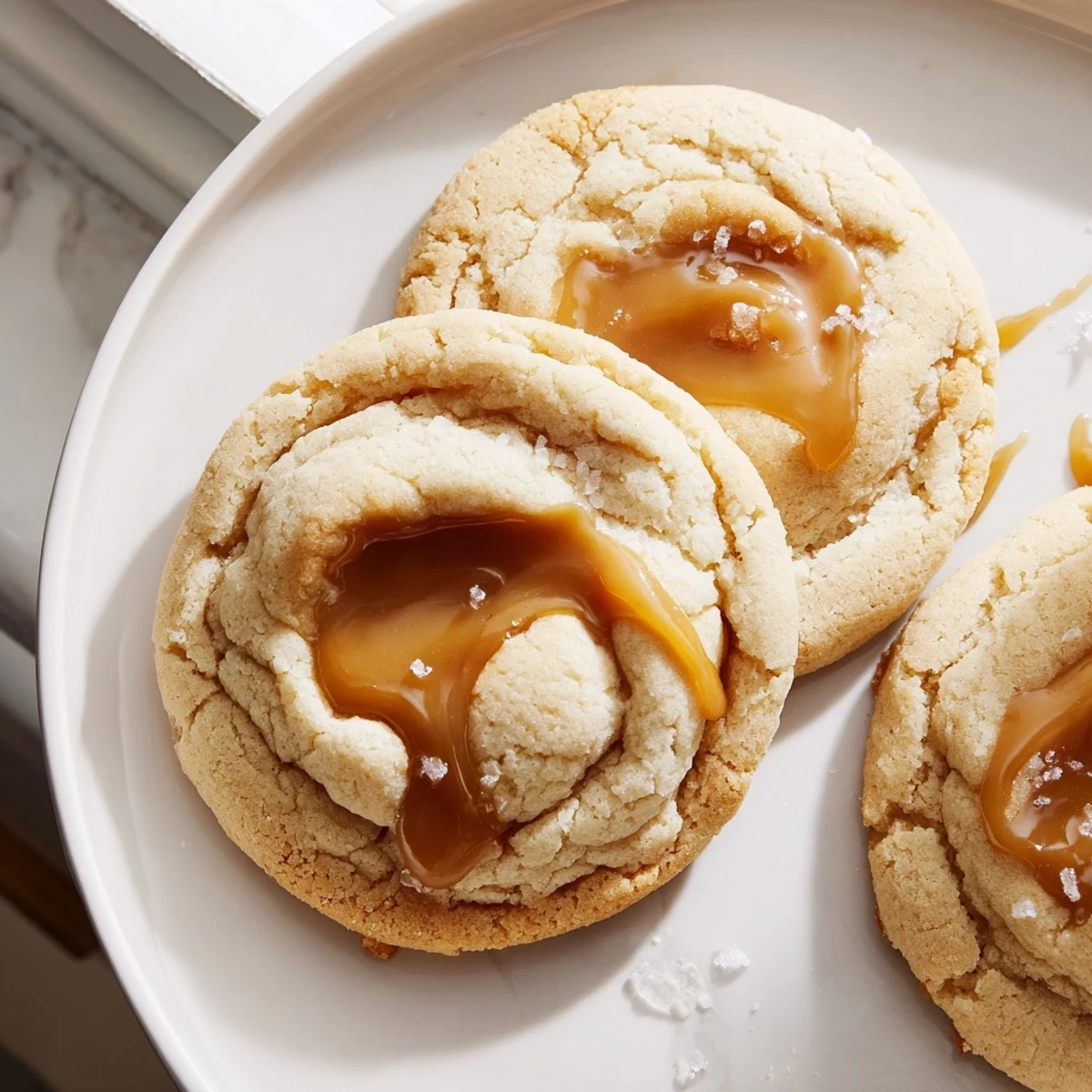
Pin These cookies have a way of turning ordinary afternoons into something worth remembering, one soft caramel swirled bite at a time. Share them generously and watch people fall completely in love.
Recipe Questions & Answers
- → Can I make the cookie dough ahead of time?
-
Yes, the dough can be prepared and refrigerated for up to 48 hours before baking. You can also freeze the scooped dough balls for up to 3 months. Thaw in the refrigerator overnight before adding the caramel swirl and baking.
- → Why is my dough too sticky to handle?
-
The dough needs at least 30 minutes of chilling time to firm up properly. If it still feels too soft after chilling, refrigerate it for an additional 15–20 minutes. The cream cheese and butter must be well incorporated but the dough relies on cold temperatures to become workable.
- → What type of caramel sauce works best?
-
A thick, soft caramel sauce works best for swirling. Store-bought salted caramel or dulce de leche both perform beautifully. If using homemade caramel, let it cool slightly so it doesn't melt completely into the dough during baking. Avoid thin caramel syrups as they'll spread too much.
- → How should I store baked caramel cheesecake cookies?
-
Store cooled cookies in an airtight container at room temperature for up to 5 days. Layer them between sheets of parchment paper to prevent sticking. You can also freeze them for up to 2 months and thaw at room temperature when ready to enjoy.
- → Can I add a salted caramel variation?
-
Absolutely. Sprinkle flaky sea salt over the caramel swirl just before baking for a wonderful sweet-and-salty contrast. This small touch elevates the flavor profile significantly and adds a professional bakery-style finish to each cookie.
- → Why did my cookies spread too much in the oven?
-
Over-spreading usually means the dough wasn't chilled long enough or the butter was too warm. Make sure to chill the dough for the full 30 minutes minimum. Also, ensure your oven is fully preheated to 350°F before putting the cookies in, as a properly heated oven helps set the edges quickly.