
 Pin
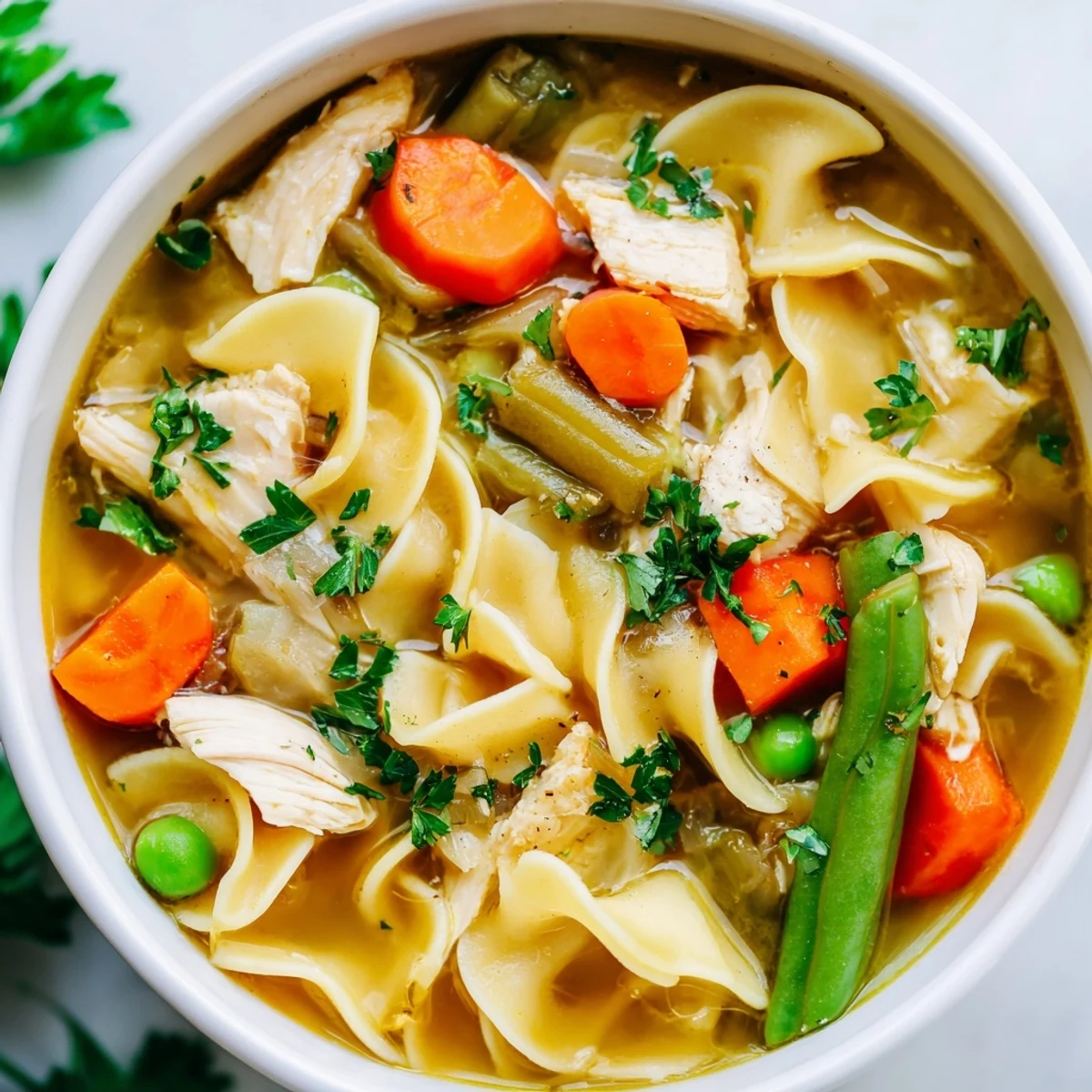
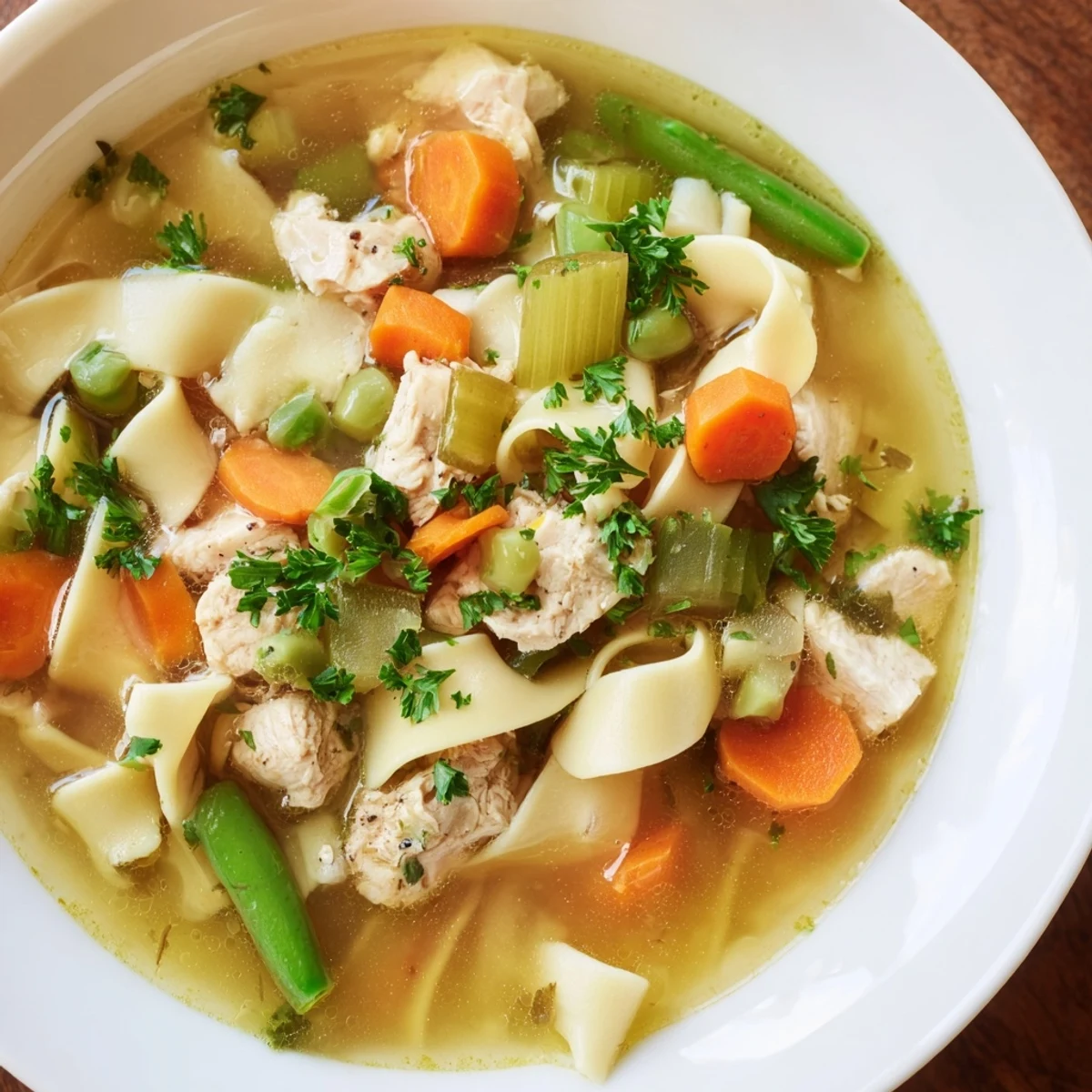
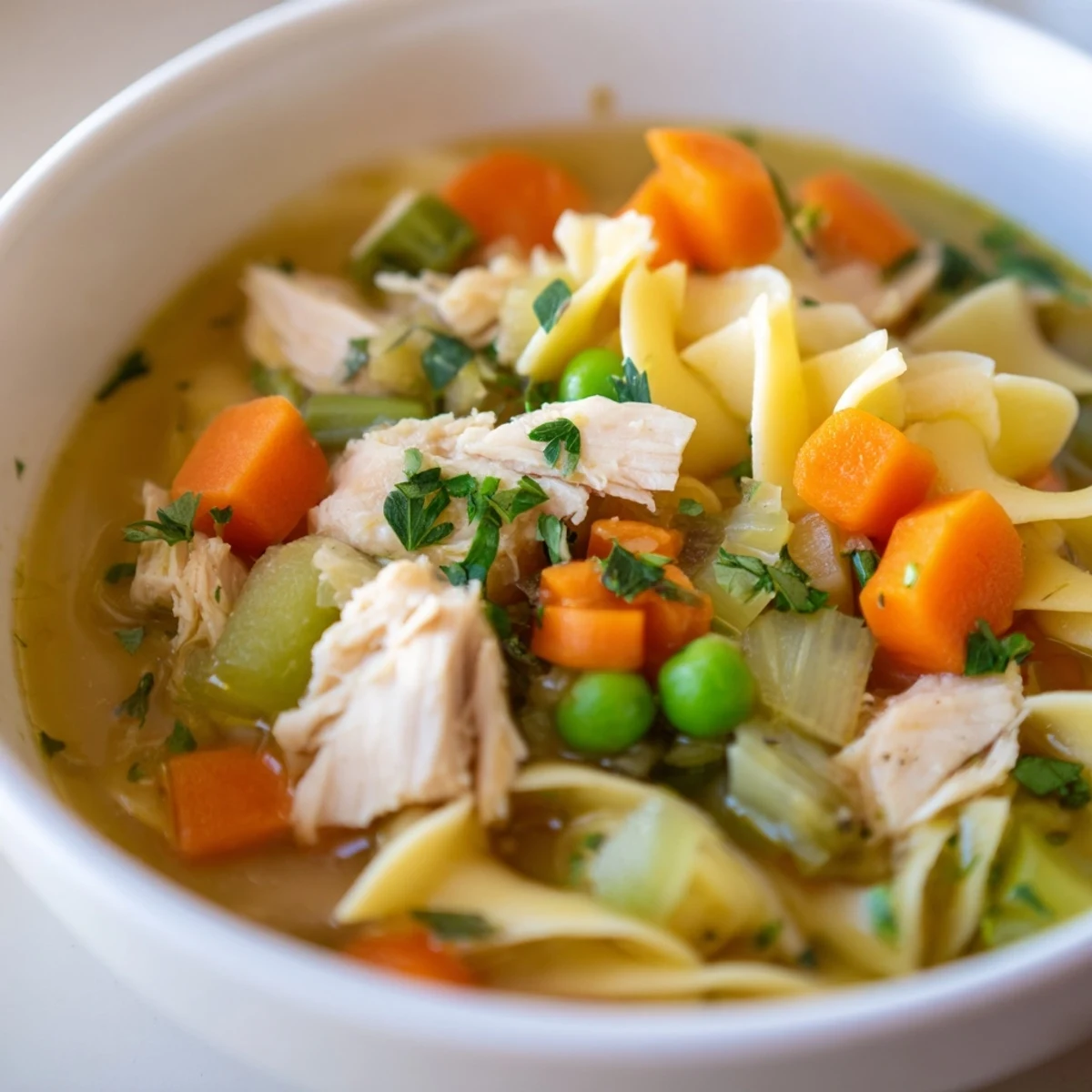
Pin This comforting dish blends tender chicken pieces with a medley of fresh vegetables like carrots, celery, and green beans. Simmered in savory broth and enriched with egg noodles, it delivers a cozy, hearty meal perfect for any day. The gentle seasoning of thyme, parsley, and a hint of lemon brightens the flavors, making each spoonful satisfying and well-balanced. Naturally dairy-free and easy to prepare, this dish suits a variety of preferences and pairs well with rustic bread or crisp white wine.
There's something about the smell of softening carrots and celery hitting hot oil that instantly makes a kitchen feel like home. I learned to make this soup on a cold Tuesday afternoon when my neighbor knocked on my door with a bag of fresh vegetables from her garden, and I realized I had just enough chicken in the fridge to turn it into something warm and filling. What started as an improvisation became the soup I reach for whenever I need comfort in a bowl, and everyone who's tried it keeps asking for the recipe.
I made this for my mom the week she was recovering from surgery, and I'll never forget how her eyes lit up when she tasted it. She said it tasted like someone had been paying attention, like every ingredient was chosen on purpose, and honestly, that stuck with me.
Ingredients
- Boneless, skinless chicken breasts (2, about 400 g), diced: Dicing them into bite-sized pieces means they cook evenly and become tender without falling apart in the broth.
- Medium carrots (2), peeled and sliced: Their natural sweetness balances the savory broth, and slicing them thin ensures they soften in about 20 minutes of cooking.
- Celery stalks (2), sliced: This is your aromatic backbone—it won't taste "celery-forward" but rather builds depth quietly in the background.
- Medium onion (1), finely chopped: Fine pieces dissolve almost into the broth and distribute sweetness evenly throughout every spoonful.
- Garlic cloves (2), minced: Adding it after the softer vegetables prevents it from burning and turning bitter while keeping its sharp, alive quality.
- Green beans (1 cup), trimmed and cut into 2 cm pieces: Smaller pieces cook faster and stay tender rather than turning mushy, preserving a light crunch.
- Frozen peas (1 cup): Added near the end so they stay bright and hold their shape instead of becoming muted and soft.
- Low-sodium chicken broth (8 cups/2 liters): Low-sodium lets you taste the vegetables and control the salt yourself, building deeper flavor.
- Egg noodles or wide noodles (150 g/5 oz): Wide noodles catch the broth beautifully and feel more substantial than thin pasta.
- Olive oil (2 tbsp): Use extra-virgin for the best flavor—it's the first taste your palate gets when the vegetables hit the pot.
- Bay leaf (1): Remove it before serving or you'll get an unexpected bite, but the subtle complexity it adds is worth the attention.
- Dried thyme (1 tsp): Thyme brings an earthy warmth that makes this taste more like home cooking than just ingredients thrown together.
- Dried parsley (1 tsp) or fresh parsley (2 tbsp), chopped: Dried works perfectly here and distributes throughout the broth, while fresh at the end adds a bright finish.
- Black pepper (1/2 tsp): Freshly ground makes a difference—pre-ground tastes flat compared to cracking it yourself.
- Salt (1/2 tsp), adjusted to taste: Start with less because the broth already contains salt and it's easier to add than to remove.
- Lemon juice (optional, from 1/2 lemon): This is the secret finisher—a squeeze at the very end wakes everything up without making it taste lemony.
- Fresh parsley, chopped, for garnish: Don't skip this; it's the visual and aromatic flourish that signals care when someone brings the bowl to their lips.
Instructions
- Build Your Flavor Base:
- Heat the olive oil in a large pot over medium heat and add the onion, carrots, and celery. Listen for a gentle sizzle—if it sounds angry, turn down the heat. Sauté for about 5 minutes, stirring occasionally, until the vegetables soften at the edges and release their sweetness into the oil.
- Add Aromatic Depth:
- Add the minced garlic and cook for just 1 more minute, stirring constantly. You'll know it's ready when your whole kitchen smells like garlic and warmth.
- Begin Cooking the Chicken:
- Stir in the diced chicken pieces and let them cook for 3–4 minutes, stirring occasionally. They'll start to turn opaque on the outside, but the centers will still be pale—that's exactly right, not overcooked.
- Create the Broth:
- Pour in the chicken broth and add the bay leaf, thyme, salt, and pepper. Bring the pot to a gentle boil, watching the surface shimmer and bubble.
- Simmer the Vegetables:
- Reduce the heat to a simmer, add the green beans, and let everything cook uncovered for 15 minutes. The green beans will go from bright to a deeper, richer green, signaling they're tender but not mushy.
- Finish with Noodles and Peas:
- Add the noodles and peas and simmer for 8–10 minutes more, stirring occasionally. The noodles will absorb some broth as they soften, and the peas will pop with color.
- Taste and Adjust:
- Remove the bay leaf, then taste a spoonful. If it needs more salt, add a pinch; if it feels a bit flat, a squeeze of lemon juice transforms it instantly into something brighter and more alive.
- Serve with Care:
- Ladle the soup into bowls, letting the noodles, chicken, and vegetables distribute evenly. Top each bowl with fresh parsley and let someone enjoy warmth in a spoon.
 Pin
Pin My daughter asked me once why this soup tasted different every time I made it, and I realized it's because I adjust it based on what's in my kitchen and how I'm feeling that day. It taught me that recipes are starting points, not rules, and the best meals are the ones you make with permission to change them.
Making It Your Own
This soup is forgiving and welcomes additions without losing its character. If you have corn in the freezer or want to add diced potatoes, they'll fit seamlessly into the broth and cooking timeline. Some days I add a handful of spinach in the last minute just for color and because it wilts into the warmth without changing the flavor. The soup never tastes less authentic—it just becomes a reflection of what's available and what you're craving.
Serving Suggestions
This soup pairs perfectly with crusty bread for dunking or crackers for crunch, and there's something timeless about how it fills you without feeling heavy. It also reheats beautifully, meaning you can make it on Sunday and enjoy it throughout the week, each bowl tasting just as comforting as the first.
Storage and Make-Ahead Tips
The soup keeps in the refrigerator for up to four days and actually deepens in flavor as it sits, the broth becoming more developed and rich. You can also freeze it for up to three months, though I'd recommend freezing the broth and vegetables separately from the noodles if you want to avoid them becoming too soft. There's a reason people have always turned to soup when they needed something nurturing—it's practical, generous, and tastes like someone cared enough to make it right.
- Store in an airtight container and reheat gently on the stovetop with a splash of water if needed.
- Make the broth base a day ahead and add noodles just before serving for the best texture.
- Freeze in portions so you can thaw just enough for one or two bowls whenever comfort calls.
 Pin
Pin This soup has become the answer to so many moments—when someone's sick, when the weather turns cold, when you need to feed people without fuss. It asks very little of you and gives back everything.
Recipe Questions & Answers
- → Can I use gluten-free noodles instead?
-
Yes, gluten-free noodles can be used as a substitute to accommodate gluten sensitivities without compromising flavor.
- → What vegetables work best in this soup?
-
Carrots, celery, green beans, peas, and onions provide a balanced flavor and texture, though other veggies like corn or potatoes can be added for variation.
- → How do I ensure the chicken stays tender?
-
Cooking the diced chicken gently until lightly browned before simmering in broth helps keep it tender and juicy.
- → What seasoning enhances this dish's flavor?
-
Thyme, parsley, bay leaf, and a touch of black pepper create an aromatic and well-rounded taste.
- → Is this dish suitable for a dairy-free diet?
-
Yes, there are no dairy ingredients, making it naturally dairy-free.