
 Pin
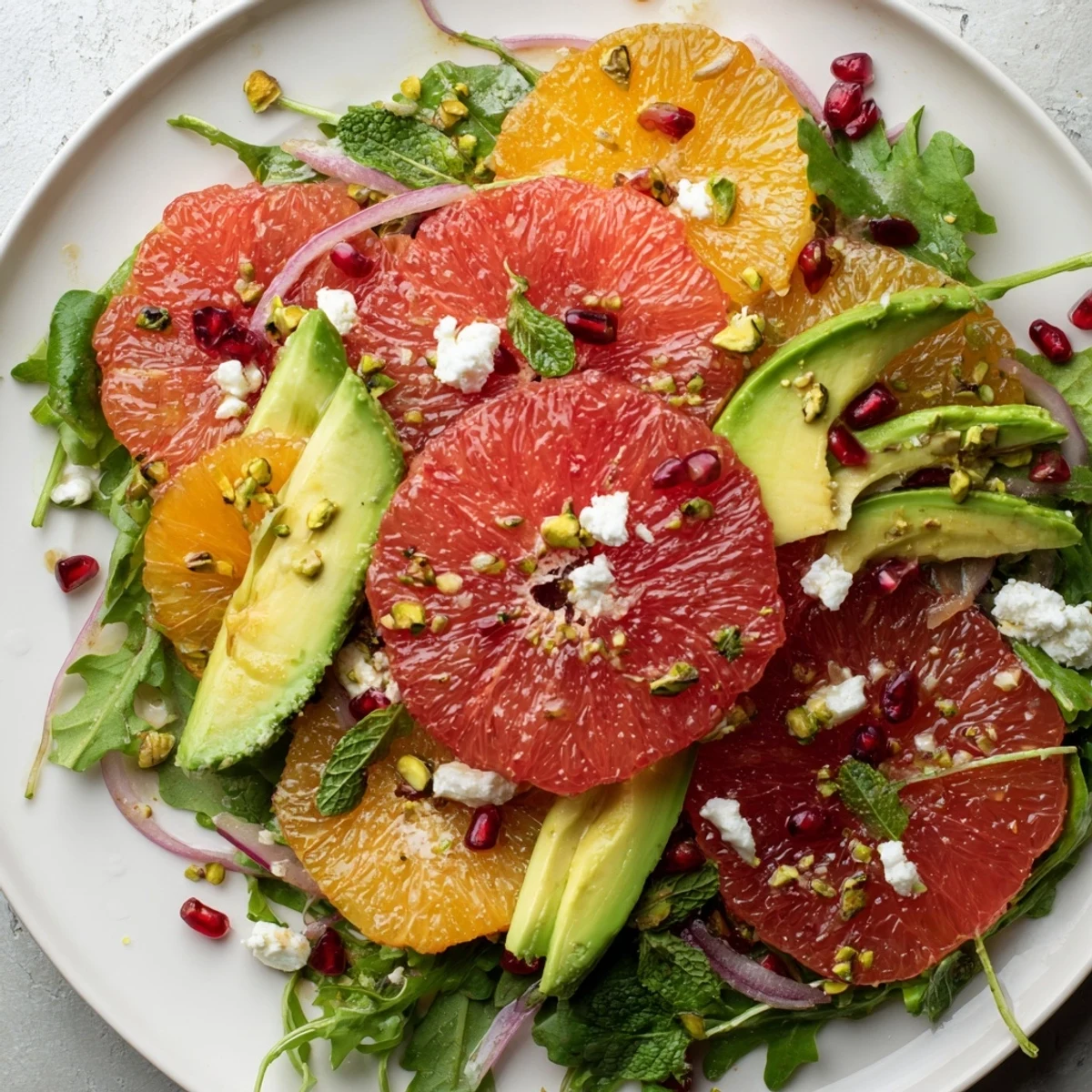
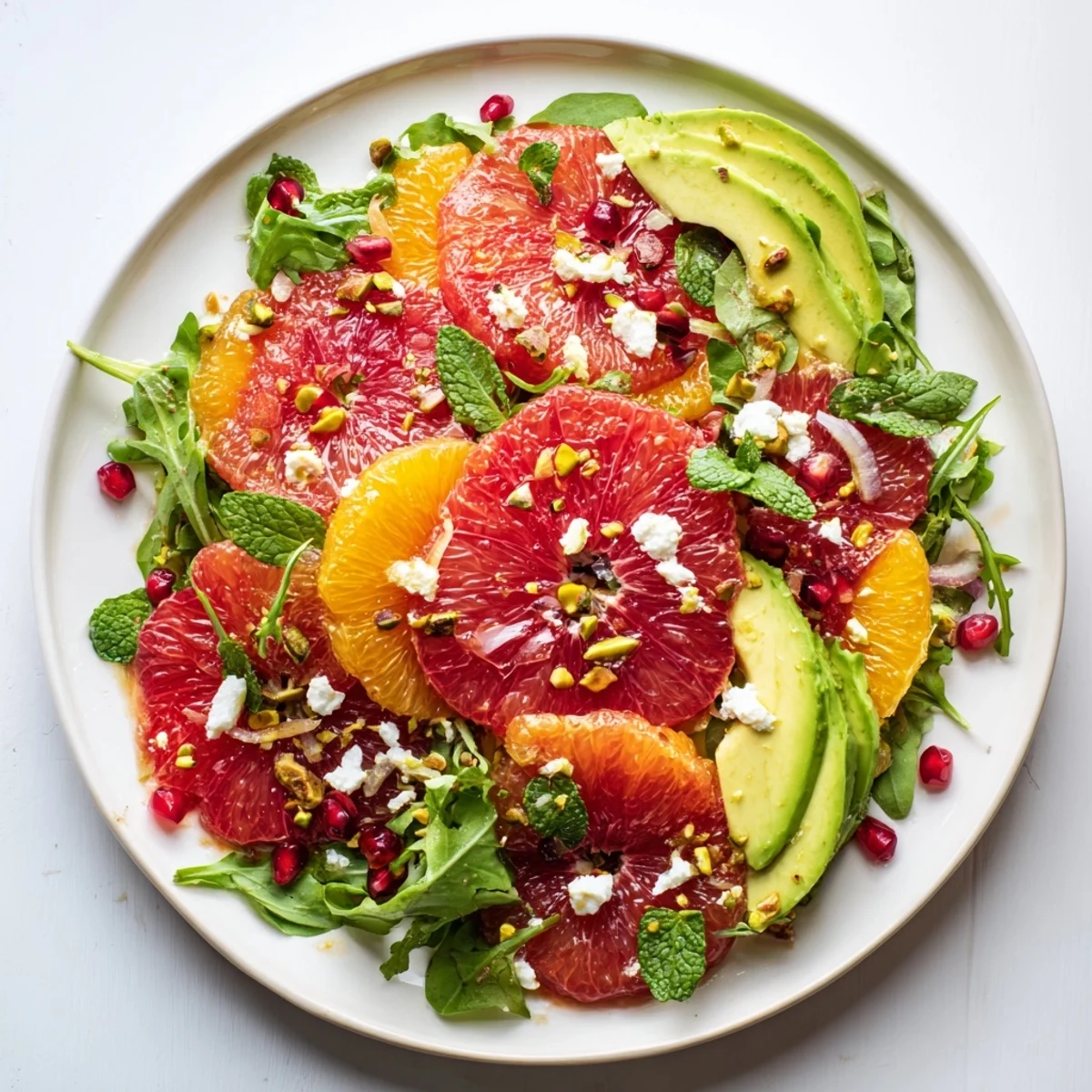
Pin This Mediterranean-inspired citrus salad brings together the season's brightest flavors in just 20 minutes. Juicy orange and grapefruit segments are layered over tender greens with creamy avocado slices and thinly sliced red onion.
Sweet pomegranate seeds add a jewel-like crunch, while crumbled feta provides a satisfying tanginess. A simple honey-lemon vinaigrette ties everything together beautifully.
Serve it as an elegant starter for dinner guests or enjoy it as a light, nourishing lunch. It's vegetarian, gluten-free, and easily adapted for vegan diets by swapping the feta.
There is something almost theatrical about slicing open a blood orange, that deep ruby juice catching the light like something stolen from a jeweler. I started making this salad on gray January afternoons when the kitchen felt too quiet and the fruit bowl was the only colorful thing in the house. It turned a cold afternoon into something worth sitting down for.
My neighbor Clara stopped by unannounced one Saturday and I panicked because I had nothing cooked, nothing baking, nothing to offer. I grabbed whatever fruit was on the counter and threw this together on a cutting board. She stood in the kitchen eating it straight from the platter and told me it was the best thing she had eaten all week, and I believed her because Clara does not lie about food.
Ingredients
- 2 large oranges: Use whatever variety looks heaviest for its size, that weight means juice and juice means flavor in every bite.
- 2 large grapefruits: Ruby red grapefruits bring a beautiful blush tone but white ones work too if that is what you have.
- 1 blood orange (optional): This is purely for drama and I highly recommend drama when it costs so little effort.
- 1 ripe avocado: It should yield slightly when you press it near the stem end, too firm and it will feel waxy in the salad.
- 1 small red onion: Slice it paper thin so it whispers rather than shouts.
- 1/2 cup pomegranate seeds: Fresh seeds are worth the mess, though prepackaged ones save your kitchen walls.
- 1/2 cup feta cheese, crumbled: A good block of feta you crumble yourself tastes creamier and less salty than the pre crumbled tubs.
- 4 cups mixed greens: Arugula adds a peppery bite that plays beautifully with the sweet fruit.
- 3 tbsp extra virgin olive oil: Use the good stuff here since it is not being cooked and the flavor really comes through.
- 1 tbsp fresh lemon juice: Bottled juice will work in a pinch but fresh lemon has a brightness that wakes everything up.
- 1 tsp honey or maple syrup: This tiny bit of sweetness balances the grapefruits bitterness.
- 1/2 tsp Dijon mustard: It acts as the quiet glue holding the dressing together so it does not separate on the platter.
- Sea salt and freshly ground black pepper: Season gradually and taste as you go.
- 2 tbsp fresh mint leaves, torn: Mint and citrus are old friends and tearing rather than chopping keeps the leaves from bruising.
- 1 tbsp toasted pistachios or walnuts, chopped: Toasting takes thirty seconds in a dry pan and transforms them completely.
Instructions
- Prepare the Citrus:
- Using a sharp knife, slice off the top and bottom of each fruit so it sits flat, then follow the curve of the fruit to remove all the peel and white pith. Cut into rounds or segments and let any extra juice pool on the cutting board, you will want it later.
- Slice the Avocado:
- Halve the avocado, remove the pit, and use a spoon to release the flesh before slicing it into thin elegant pieces. A squeeze of lemon over the slices keeps them from browning while you finish assembling.
- Prep the Onion:
- Cut the red onion in half and slice it as thinly as you possibly can, letting the pieces fall apart into natural rings. If they taste too sharp a quick soak in cold water for five minutes tames them without softening the crunch.
- Whisk the Dressing:
- In a small bowl combine the olive oil, lemon juice, honey, Dijon mustard, salt, and pepper, whisking until the mixture looks creamy and unified. Taste it on your fingertip and adjust as needed, this is your chance to get it right.
- Build the Salad:
- Spread the greens across a large platter like a soft bed, then arrange the citrus, avocado, and onion in overlapping layers on top. Work with a relaxed hand, letting things fall where they naturally want to go.
- Add the Jewels:
- Scatter the pomegranate seeds and crumbled feta across the surface, tucking some into the folds of greens so every forkful holds a surprise. Drizzle the dressing evenly, letting it drip down through the layers.
- Finish and Serve:
- Tear the mint leaves over the top and sprinkle with toasted nuts right before bringing it to the table. The salad waits for no one so call everyone to the kitchen the moment it is done.
 Pin
Pin I once packed the components of this salad in separate containers and brought it to a rooftop potluck where everyone stood around the table building their own plates. Strangers started comparing whose plate looked prettiest and someone asked for the recipe before they even tasted it. That is the quiet power of a dish that looks like a painting.
Choosing the Best Citrus
Not all citrus is created equal and the difference becomes obvious once you start slicing. Pick fruits that feel heavy for their size because that density is juice, and avoid anything with soft spots or shriveled skin. In winter when citrus is at its peak you will find the best selection and the lowest prices so load up. Blood oranges have a short season so grab them when you see them without hesitation.
Making It a Full Meal
This salad leans light on protein but a few additions turn it into something truly satisfying. Grilled shrimp tucked between the citrus rounds makes it feel like a coastal lunch in southern Italy. Sliced rotisserie chicken works when you need to feed hungry people fast without turning on the stove. Crusty bread on the side is never a bad idea because you will want something to soak up the dressing that pools at the bottom of the platter.
Storing Leftovers
Leftovers do not keep well once dressed so only make what you plan to eat in one sitting. If you know you will have extra, store the dressed greens separately from the fruit and reassemble the next day. The dressing alone will keep beautifully in a jar in the refrigerator for up to a week. The avocado is the first thing to go brown so always save that for last minute assembly.
- A squeeze of extra lemon juice on leftover avocado slows the browning considerably.
- Pomegranate seeds freeze well so stash any extras for smoothies or future salads.
- Always taste the dressing again after refrigerating because cold dulls flavors and you may need to adjust.
 Pin
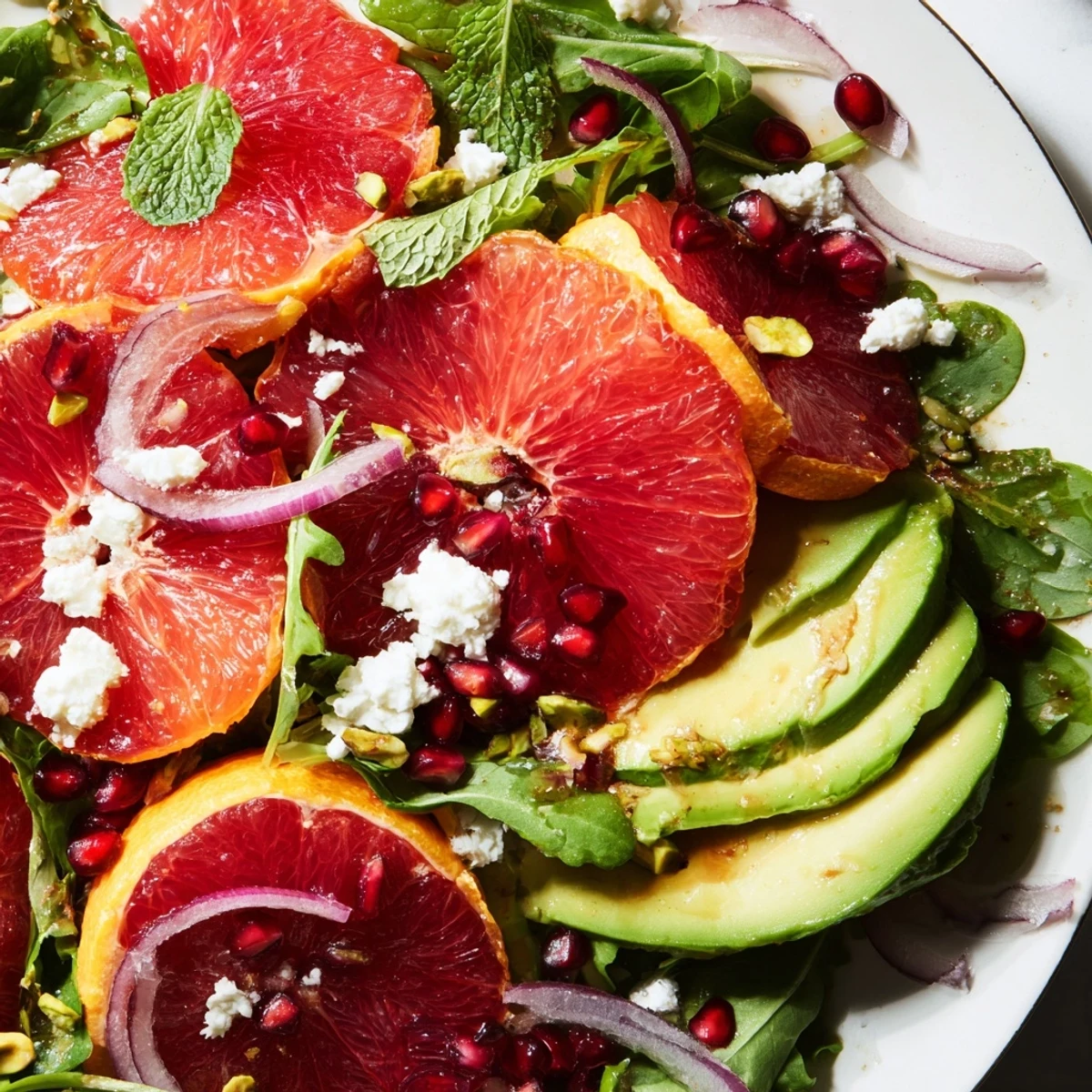
Pin Some meals are about feeding people and some are about reminding them that food can be effortless and beautiful at the same time. This salad does both without asking much of you at all.
Recipe Questions & Answers
- → Can I prepare the citrus segments ahead of time?
-
Yes, you can peel and segment the citrus fruits up to one day in advance. Store them in an airtight container in the refrigerator. Drain any excess juice before assembling the salad to prevent the greens from becoming soggy.
- → What's the best way to remove pomegranate seeds?
-
Cut the pomegranate in half and gently tap the outside with a wooden spoon over a bowl. The seeds will fall out easily. Alternatively, score the skin into sections, pull them apart underwater in a bowl, and the seeds will sink while the membrane floats.
- → How do I keep the avocado from browning?
-
Slice the avocado just before serving and toss it lightly with a squeeze of lemon juice. The citric acid helps slow oxidation. You can also place the sliced avocado directly on the dressed salad, as the lemon vinaigrette provides the same protective effect.
- → Can I use bottled citrus juice instead of fresh for the dressing?
-
Fresh lemon juice is strongly recommended for the dressing, as it delivers a brighter, cleaner flavor than bottled varieties. It takes only seconds to squeeze and makes a noticeable difference in the final taste of the salad.
- → What proteins pair well with this salad?
-
Grilled chicken, seared shrimp, or flaked salmon are excellent additions. For a plant-based option, try adding chickpeas or toasted chickpea croutons. These proteins turn the side salad into a complete, satisfying meal.
- → Which citrus fruits work best in this salad?
-
Navel oranges, ruby red grapefruit, and blood oranges are ideal choices. Each brings a different level of sweetness and acidity. Mixing varieties creates a beautiful color contrast and a more complex flavor profile. Tangerines or pomelo are also wonderful substitutions.