
 Pin
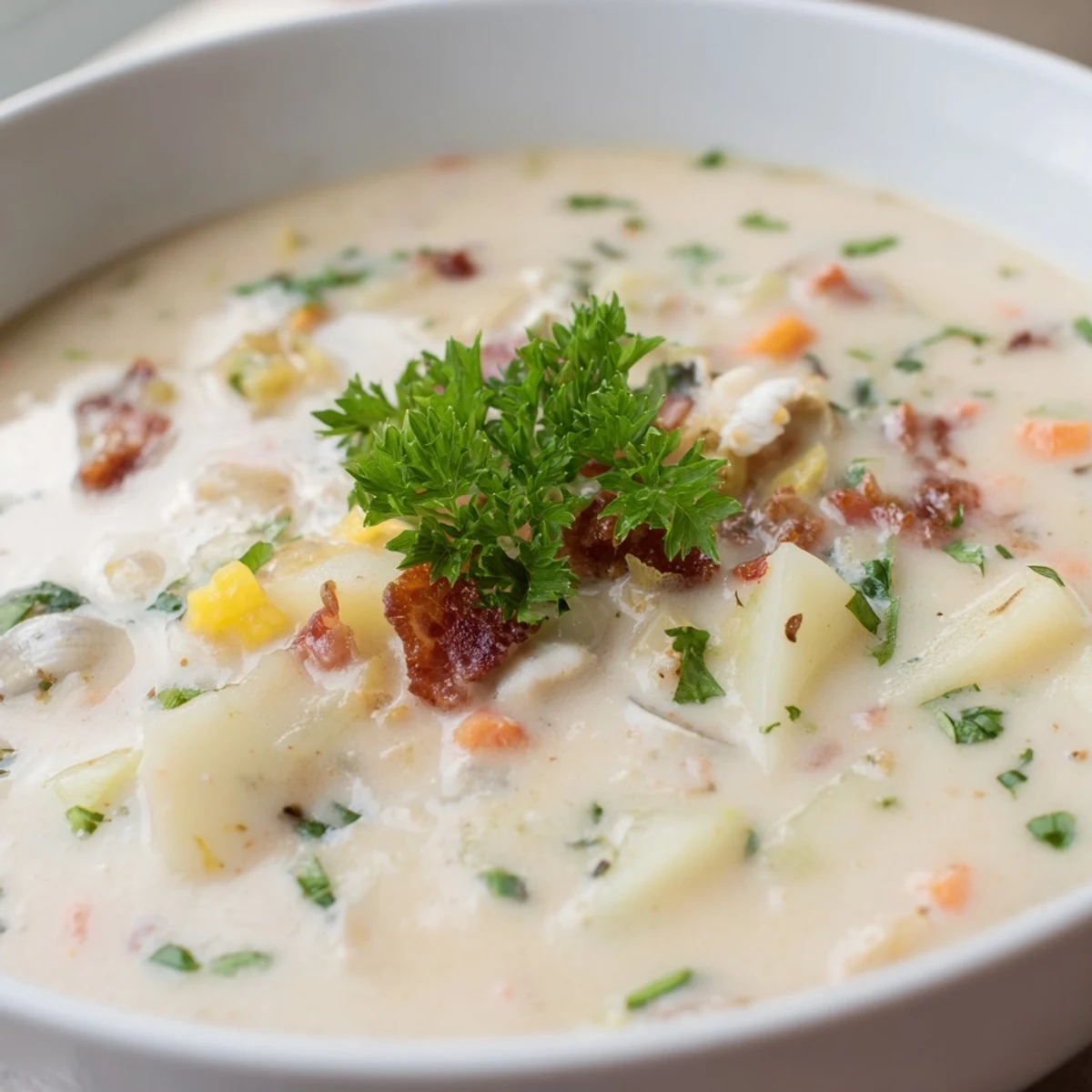
Pin This dish combines succulent clams with diced Yukon Gold potatoes and smoky bacon to create a creamy broth brimming with flavor. Onions, celery, carrots, and garlic form a savory base thickened with flour and enriched by heavy cream and milk, offering a smooth, comforting experience. The slow simmer melds spices like thyme and bay leaf, delivering a hearty, warm bowl ideal for chilly days. Garnished with fresh parsley for a touch of brightness, this chowder highlights balanced textures and layered tastes.
There's something about the smell of bacon hitting a hot pot that makes you pause and just breathe it in—that's when I knew I needed to master clam chowder. A friend mentioned her grandmother's version one October, and I spent weeks chasing that creamy, briny perfection until I realized the secret wasn't some obscure ingredient but patience with the roux and respect for the clams. Now when I make it, the whole kitchen fills with this warm, salty comfort that feels like an embrace.
I made this for a dinner party on the first cold night of November, and my neighbor actually said it tasted like what she'd been craving without knowing it. Something about the way the potatoes softened into the cream while the clams stayed tender made it feel both rustic and refined, which I hadn't expected from something so straightforward.
Ingredients
- Fresh clams or canned: Fresh clams give you their liquid as a bonus, but canned works beautifully if you drain and reserve the juice—no shame in either path.
- Bacon: The rendered fat is liquid gold here; don't skip it or use vegetable oil as a substitute.
- Yukon Gold potatoes: They hold their shape better than russets and add a subtle sweetness that balances the brininess.
- Onion, celery, carrots: This trio is your foundation—soften them properly and half your work is done.
- Garlic: Just enough to whisper in the background, not shout.
- Clam juice and broth: The clam juice is essential; chicken broth adds gentle depth without overpowering.
- Heavy cream and milk: Use both together for richness that doesn't feel heavy.
- Butter and flour: Your roux needs to cook out that raw flour taste before you add any liquid.
- Bay leaf and thyme: These are the quiet backbone; remove the bay leaf before serving.
- Salt, pepper, and parsley: Season as you go, and save parsley for the very end so it stays bright.
Instructions
- Prepare the clams:
- If using fresh clams, scrub them well under cold water and steam them in a large pot with 1 cup of water until they pop open, which usually takes 5 to 7 minutes. Discard any that refuse to open, chop the meat, and strain the cooking liquid through a fine sieve to catch any sand. If using canned, just drain and reserve the juice.
- Render the bacon:
- Cook your diced bacon in the soup pot over medium heat until it's crisp and golden, then pull it out with a slotted spoon. Leave all that savory fat behind—it's the flavor foundation for everything else.
- Build the base:
- Add butter to the bacon fat, then sauté your chopped onion, celery, and carrots for about 5 minutes until they're soft and fragrant. Stir in the garlic and cook for just 1 more minute so it doesn't burn.
- Make your roux:
- Sprinkle flour over the vegetables and stir constantly for 2 minutes, making sure every piece of vegetable is coated. This cooking step removes the raw flour flavor and is worth the short wait.
- Add the liquids:
- Whisk in the clam juice, chicken broth, and bay leaf slowly and steadily to avoid lumps. Add the diced potatoes and thyme, then let everything come to a simmer for 12 to 15 minutes until the potatoes are completely tender and you can break them with a spoon.
- Finish with cream and clams:
- Stir in the chopped clams, crispy bacon, milk, and heavy cream, then let it simmer gently for 5 minutes without boiling, which would make the cream break and separate. The chowder should thicken further and smell absolutely irresistible.
- Season and serve:
- Remove that bay leaf, taste for salt and pepper, and ladle into bowls while it's steaming hot. Top with fresh parsley and serve with oyster crackers or crusty bread for soaking up every last drop.
 Pin
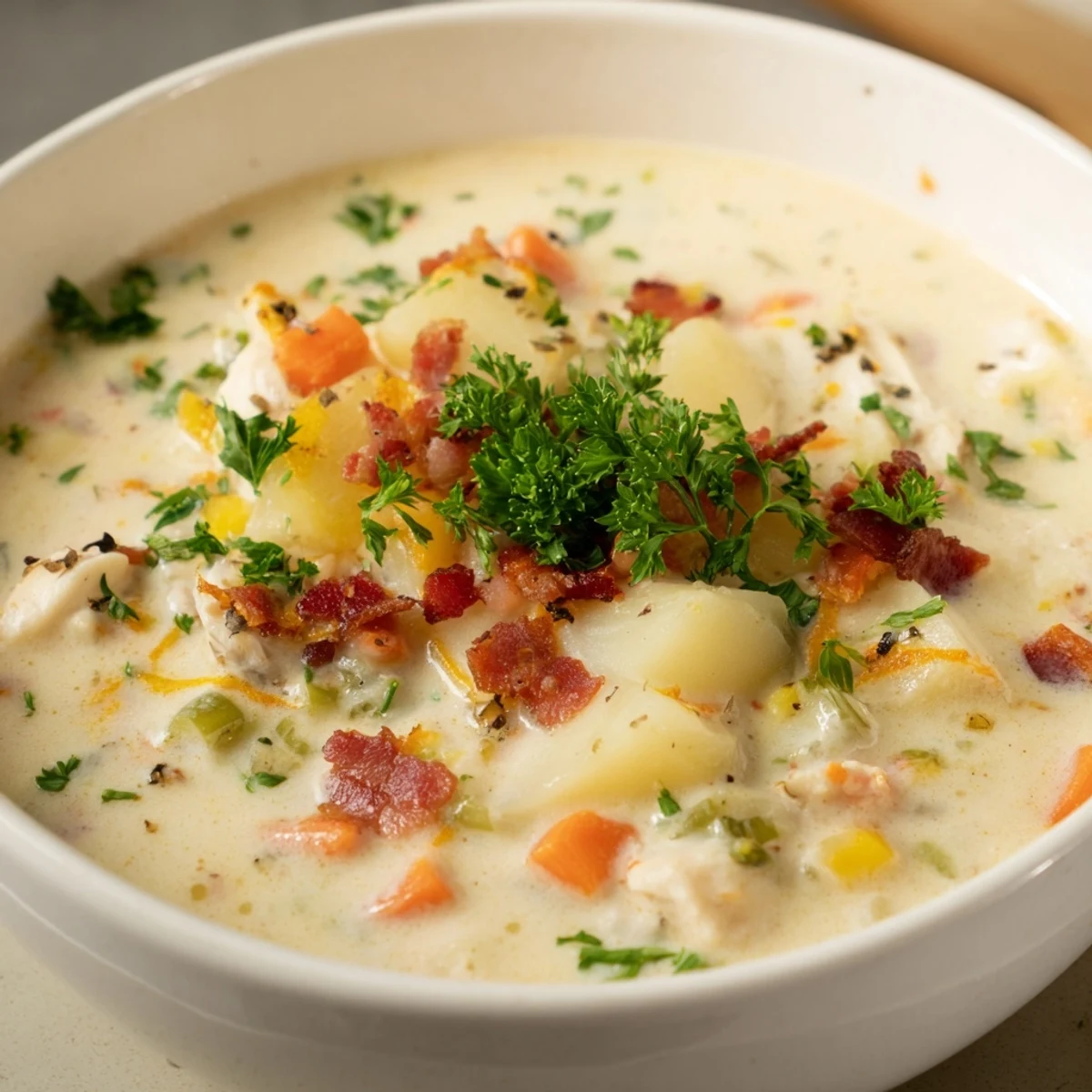
Pin My roommate came home while I was finishing this soup, and the first thing she did was close her eyes and smell the steam rising from the pot. That moment felt like the whole point—it's soup that announces itself, that makes people want to sit down immediately.
The Roux Matters More Than You Think
The first time I rushed the roux, the chowder came out thin and disappointing, and I learned that those 2 minutes of constant stirring actually matter. The flour needs to cook slightly so it can properly thicken the liquid instead of turning into gluey lumps. Now I use a whisk and stir like I mean it, and the difference is night and day.
Fresh Versus Canned Clams
Fresh clams taste brighter and give you their own cooking liquid, which is a gift. But canned clams are reliable, consistent, and honestly save you from the occasional clam that won't open no matter what you do. I lean fresh when I have time, but canned has made me look good at plenty of weeknight dinners when someone texts asking if they can come over hungry.
Serving Suggestions and Variations
This chowder is perfect as written, but I've learned to adapt it based on who's eating. For lighter appetites, I swap half the cream for milk or add more potatoes. A drizzle of hot sauce adds unexpected brightness, and fresh thyme sprinkled on top instead of dried gives it a completely different feel.
- Serve with crusty bread or oyster crackers for a textural contrast that makes the soup taste even better.
- A crisp white wine like Sauvignon Blanc cuts through the richness and tastes wonderful alongside.
- Leftovers actually improve the next day as flavors meld, so make extra if you can.
 Pin
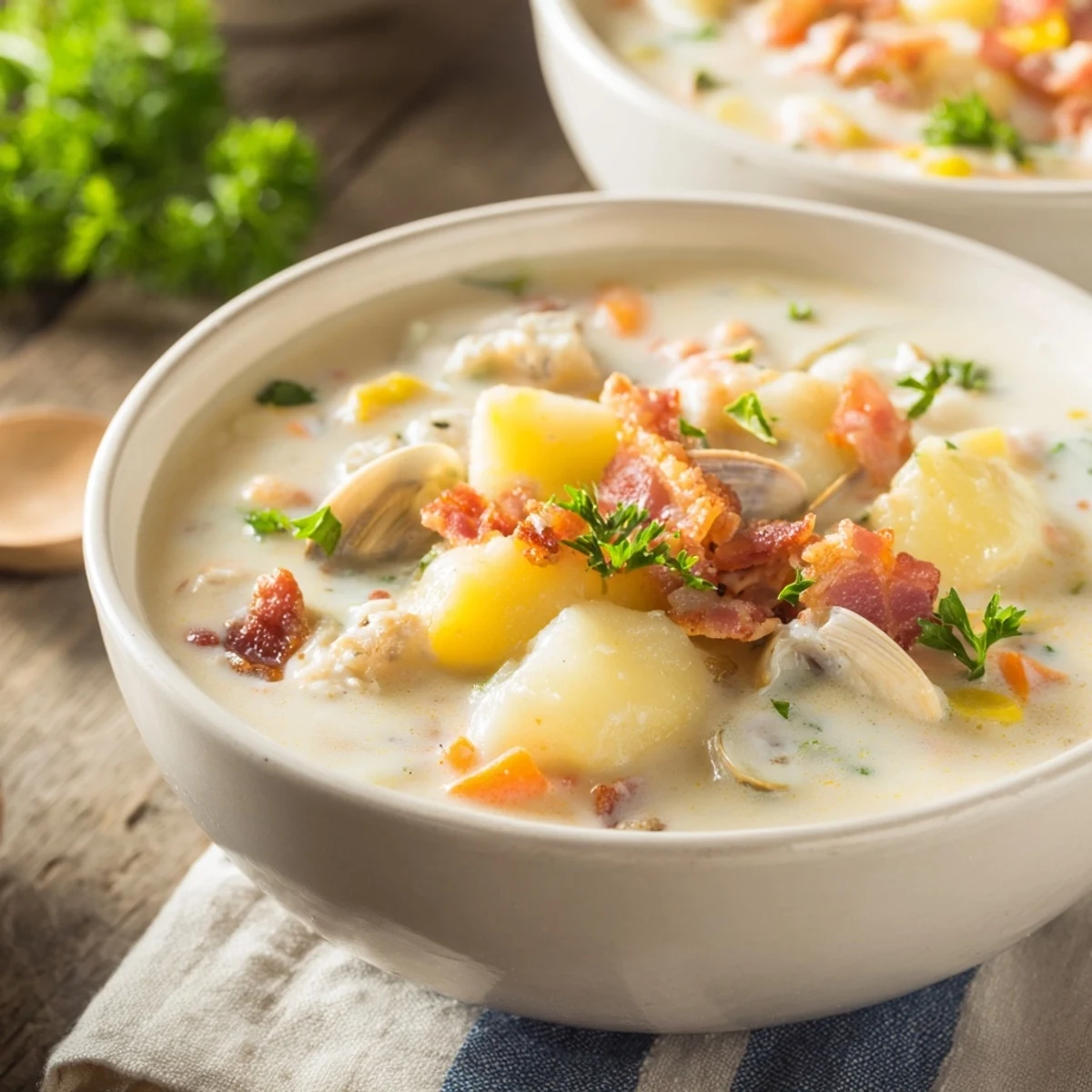
Pin This chowder taught me that comfort food isn't about complexity; it's about honoring each ingredient and taking your time. Make it once and you'll understand why it's been a classic for generations.
Recipe Questions & Answers
- → How should fresh clams be prepared?
-
Scrub and steam fresh clams with water until they open, discard any unopened ones, then chop and reserve the cooking juice for flavor.
- → Can canned clams be used instead of fresh?
-
Yes, canned clams can be used by draining them but reserving the juice to maintain depth in the broth.
- → What thickening agent is used for the broth?
-
A mixture of butter and all-purpose flour is cooked into a roux to thicken the chowder’s base smoothly.
- → What vegetables add flavor to the chowder?
-
Onions, celery, carrots, and garlic are sautéed to create a rich aromatic foundation.
- → Is there a lighter alternative to heavy cream in this dish?
-
Half the cream can be substituted with whole milk for a lighter consistency without sacrificing creaminess.