
 Pin
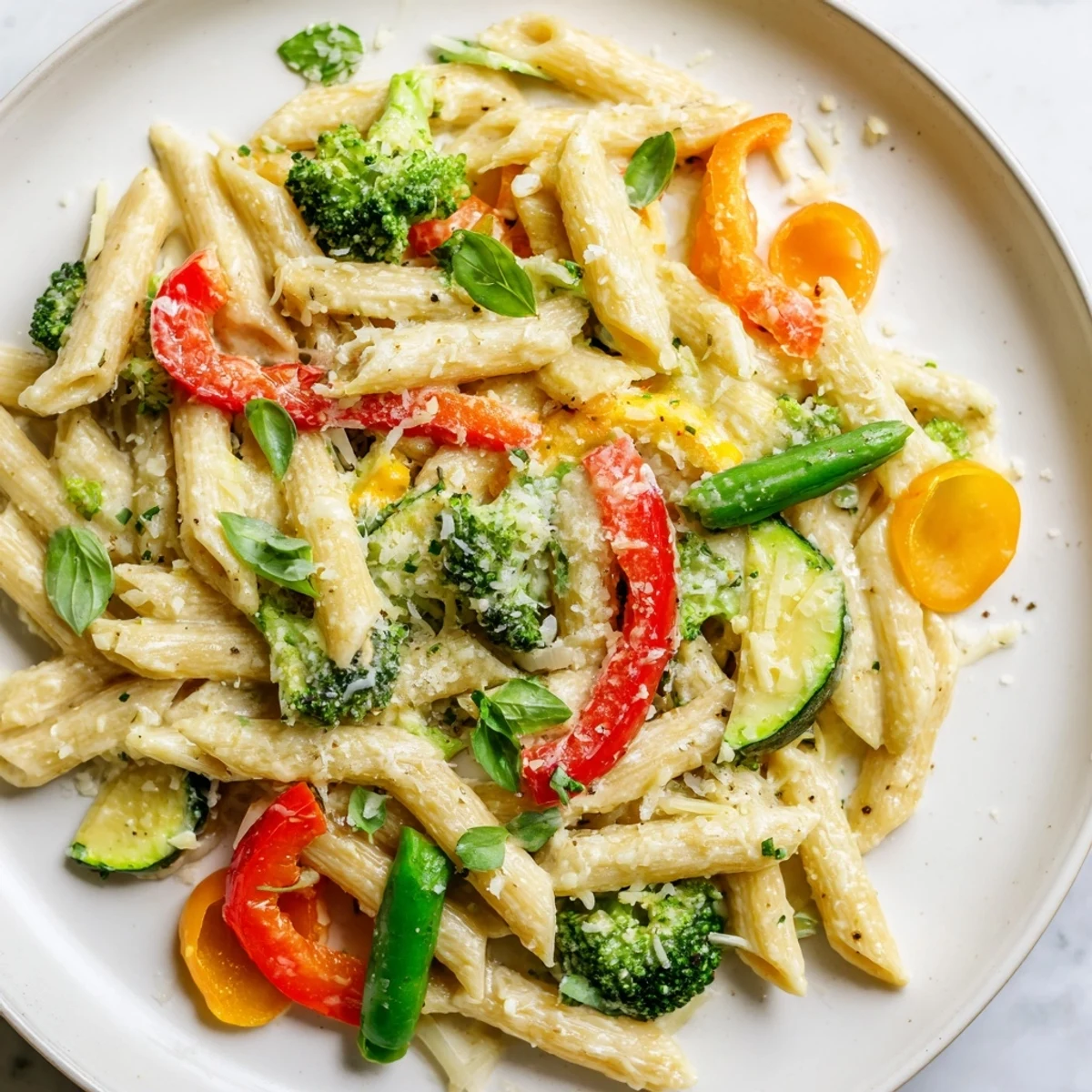
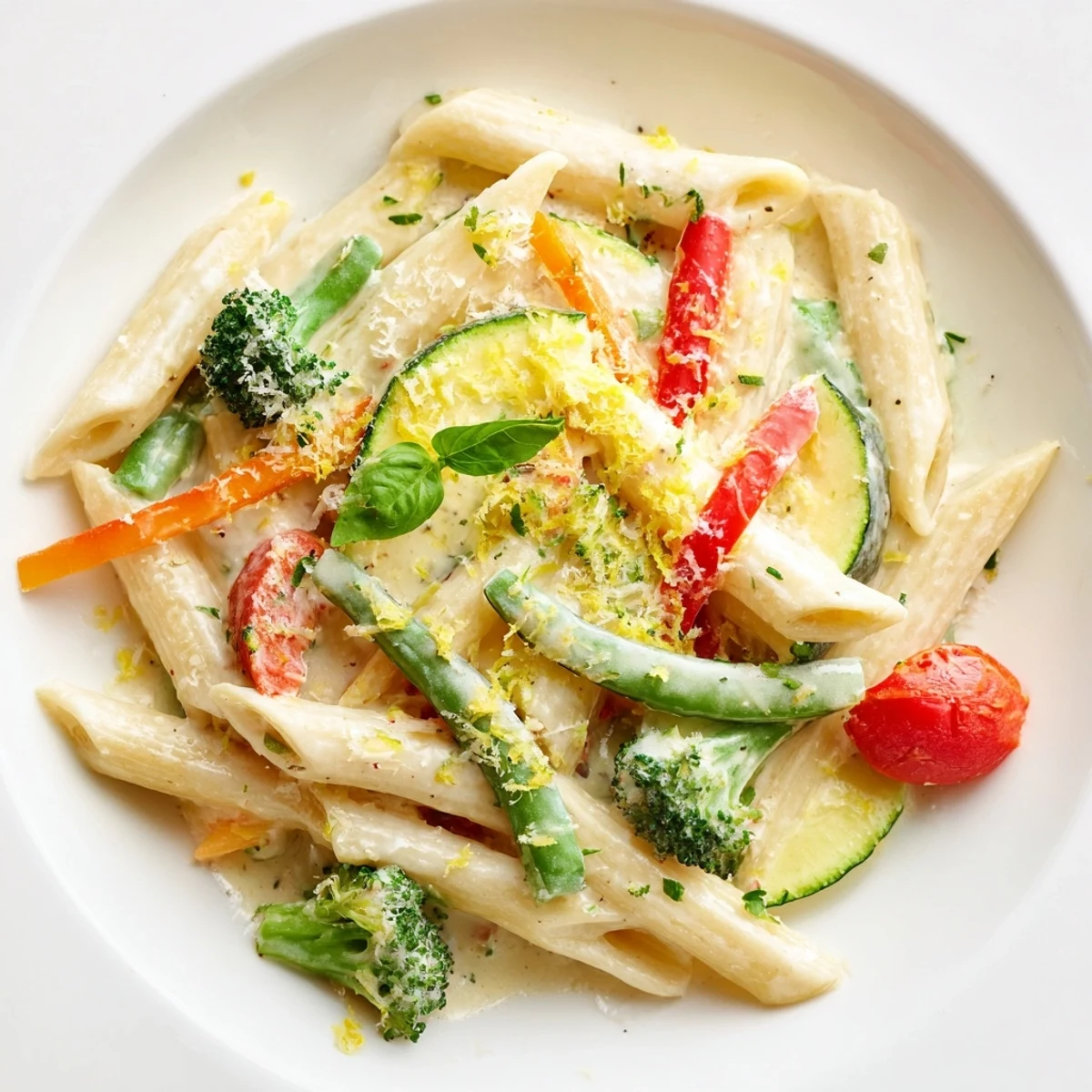
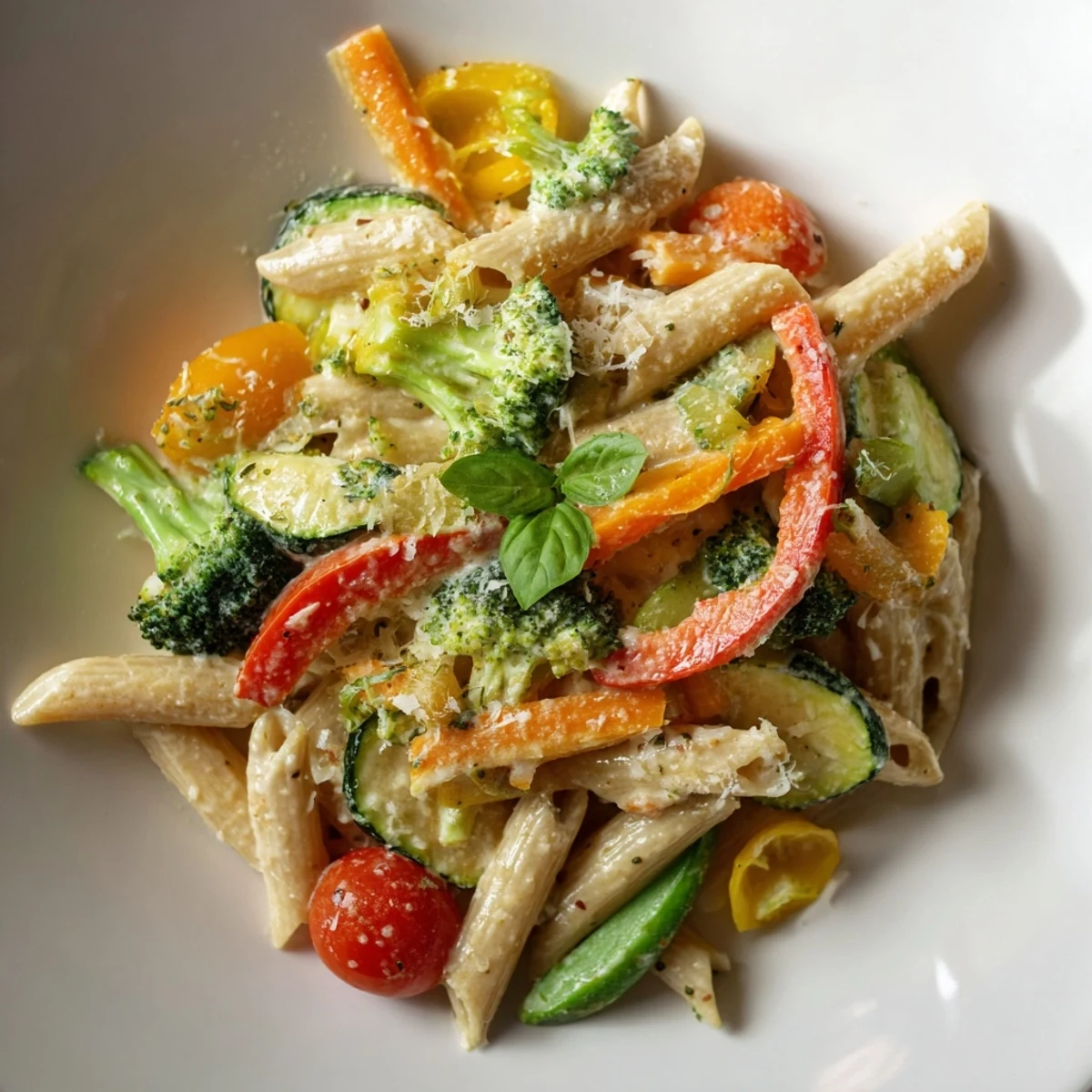
Pin This Italian-American classic combines al dente penne with colorful vegetables like zucchini, bell peppers, and cherry tomatoes. Everything is coated in a rich, silky sauce made from heavy cream, butter, and Parmesan, finished with a touch of lemon zest for brightness. It is an ideal way to enjoy fresh spring produce.
There's something almost magical about the moment when cream meets hot pasta water and transforms into silk. I discovered this dish one June afternoon when my farmers market haul threatened to wilt before I could use it—zucchini, bell peppers, cherry tomatoes all piling up on my counter. Rather than let them go to waste, I tossed them into a pan with butter and cream, and what emerged was so effortlessly vibrant that I've made it dozens of times since. It became my go-to when I want something that feels both comforting and alive.
I made this for my sister the summer she was stressed about her job, and she sat at my kitchen counter eating directly from the pan while we talked about everything except work. The cream sauce had just enough brightness from the lemon zest to feel refreshing rather than indulgent, and somehow a simple bowl of pasta became exactly what she needed. That's when I realized this wasn't just a recipe—it was something I could offer when words felt insufficient.
Ingredients
- Penne or fettuccine (350 g): Penne catches the cream sauce beautifully in its ridges, but fettuccine works just as well if you prefer longer strands—just make sure you reserve pasta water to loosen the sauce at the end.
- Zucchini (1 medium): Slice it into half-moons rather than rounds so each piece absorbs the sauce; if your zucchini is very large, scoop out some seeds to prevent it from becoming watery.
- Red bell pepper (1): The sweetness balances the richness of the cream, and julienning it (thin matchstick cuts) ensures it softens evenly without disappearing.
- Cherry tomatoes (1 cup): These burst slightly as they cook, creating little pockets of brightness throughout the dish—save them for near the end of cooking so they don't lose their shape.
- Broccoli florets (1 cup): Cut them small enough that they feel delicate rather than chunky; they'll continue softening even after you've pulled them off the heat.
- Snap peas (1 cup): Add these near the end to preserve their snap—overcooked snap peas lose their entire personality.
- Carrot (1 small): Thin slices cook quickly and add natural sweetness; if your carrot is thick, slice it on a bias for more surface area.
- Garlic (2 cloves): Mince it finely so it dissolves into the sauce rather than sitting in chunks; burnt garlic tastes bitter, so cook it just until fragrant.
- Olive oil and butter (2 tbsp each): The combination gives you the fruity notes of olive oil plus the richness of butter—don't skip the butter, it makes a noticeable difference.
- Heavy cream (200 ml): This is what makes the sauce luxurious; if you're worried about richness, use half-and-half instead, but the sauce will be thinner.
- Parmesan cheese (60 g): Grate it fresh if you can; pre-grated cheese contains anti-caking agents that can make the sauce grainy.
- Lemon zest: Don't skip this—a single lemon's worth of zest is the secret that keeps the whole dish from feeling one-dimensional.
- Red pepper flakes (optional): Just a quarter teaspoon adds warmth without heat; taste as you go if you're sensitive to spice.
- Fresh basil (2 tbsp): Add this right before serving so the heat doesn't turn it dark and bitter; a chiffonade (thin ribbon cuts) looks nicer than rough chops.
Instructions
- Start your pasta water:
- Fill a large pot three-quarters full with cold water and bring it to a rolling boil while you prep your vegetables—don't add salt until the water boils, or it takes longer to heat. The water should be as salty as the sea.
- Cook the pasta:
- Once boiling, add pasta and stir immediately so it doesn't stick to the bottom; cook according to package instructions, but taste it a minute before the suggested time to catch it at al dente. Before draining, measure out half a cup of pasta water into a bowl—this starchy liquid is your secret weapon for a silky sauce.
- Build the sauce base:
- In a large skillet over medium heat, warm the olive oil and butter together until the butter is completely melted and foaming slightly. Add minced garlic and let it cook for exactly 30 seconds until you smell that unmistakable aromatic punch—any longer and it starts to brown and taste acrid.
- Start with the slow-cooking vegetables:
- Add carrot slices and broccoli florets, which need the most time, and sauté for 2 minutes, stirring occasionally. The broccoli should still have some resistance when you bite into it; you're building flavor, not turning everything to mush.
- Add the quick-cooking vegetables:
- Toss in zucchini, bell pepper, and snap peas, stirring frequently for 3 to 4 minutes until everything is tender but still holds its shape. The pan will smell incredibly green and fresh at this point.
- Finish with the tomatoes:
- Add halved cherry tomatoes and cook for 2 minutes just to warm them through and let them release their juice slightly. Don't overcook them or they'll fall apart into oblivion.
- Create the creamy sauce:
- Lower the heat to low and slowly pour in the heavy cream while stirring constantly with a wooden spoon; sprinkle in half the Parmesan cheese and keep stirring until the cheese melts completely and the sauce thickens just slightly. You should see it coat the back of your spoon.
- Season and adjust:
- Stir in lemon zest, red pepper flakes if you're using them, salt, and black pepper, tasting as you go. Add the drained pasta to the skillet and toss everything together gently, adding reserved pasta water a splash at a time until the sauce is silky and coats every strand evenly.
- Finish and serve:
- Sprinkle with remaining Parmesan and fresh basil, toss once more, and divide among bowls immediately. Serve with extra Parmesan and basil on the side so everyone can add what feels right.
 Pin
Pin I'll never forget when my neighbor tasted this and asked for the recipe, then came back a week later to tell me she'd made it for her partner's birthday dinner. Something about how a simple weeknight pasta could matter that much—could be part of someone's celebration—shifted how I thought about cooking. It's not fancy, but it has real soul.
Why Seasonal Vegetables Matter
The beauty of this pasta is how it adapts to what's available. In spring, I swap in asparagus and fresh peas; in early summer, it's zucchini and snap peas; by late summer, I add heirloom tomatoes and fresh corn kernels. The technique stays exactly the same, but the dish tastes like a love letter to the season. Cooking this way connects you to where your food actually comes from rather than treating the kitchen like a factory.
The Secret Life of Cream Sauces
What makes this sauce feel restaurant-quality isn't any exotic ingredient—it's understanding that cream needs time to meld with cheese and vegetables, not speed. When you add everything at once and crank the heat, the cream seizes up and tastes grainy. But when you let the heat stay low and the stirring stay constant, the cream becomes part of the dish rather than just coating it. I learned this the hard way after a few separated, broken sauces, and now it's automatic.
Playing with Flavor and Texture
The lemon zest is the quiet hero here—it brightens the richness of the cream without you tasting actual lemon juice, which would be too sharp. The red pepper flakes add a whisper of warmth that makes you want another bite without knowing why. Even the fresh basil at the end serves a purpose beyond looks: it adds a peppery, slightly herbal note that reminds you this is still fundamentally a vegetable dish.
- Taste your sauce before adding the pasta—this is your last chance to adjust seasoning without affecting the pasta water consistency.
- If your sauce seems too thick after adding pasta, loosen it with more pasta water rather than cream, which would make it richer and heavier.
- Leftovers can be gently reheated in a low oven with a splash of cream or pasta water stirred in, though this is best eaten fresh.
 Pin
Pin This is the kind of dish that reminds you why you cook: not for complexity or Instagram moments, but for the simple joy of feeding yourself and people you care about something that tastes genuinely good. Make it on a Tuesday night or save it for when you need to feel like you've done something kind.
Recipe Questions & Answers
- → Can I use different vegetables?
-
Yes, feel free to use asparagus, peas, or mushrooms depending on what is in season.
- → Is it possible to make this dairy-free?
-
You can substitute the heavy cream and butter with coconut milk or a plant-based cream alternative.
- → Can I add protein to this dish?
-
Grilled chicken or shrimp pair excellently with the creamy sauce and vegetables.
- → How can I prevent the sauce from curdling?
-
Keep the heat low when adding the cream and avoid boiling the sauce rapidly.
- → What pasta works best for this?
-
Penne or fettuccine are excellent choices for holding onto the thick, creamy sauce.