
 Pin
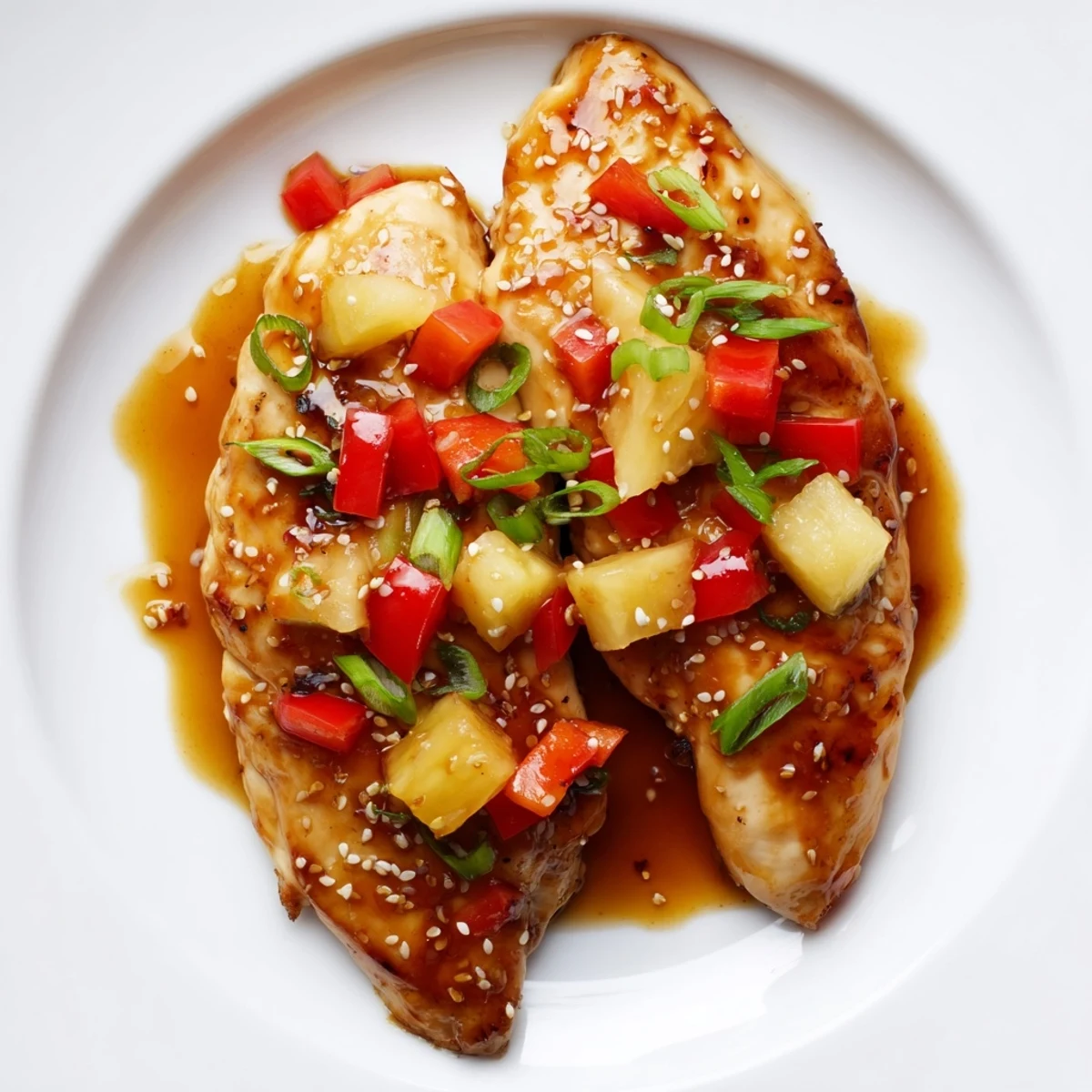
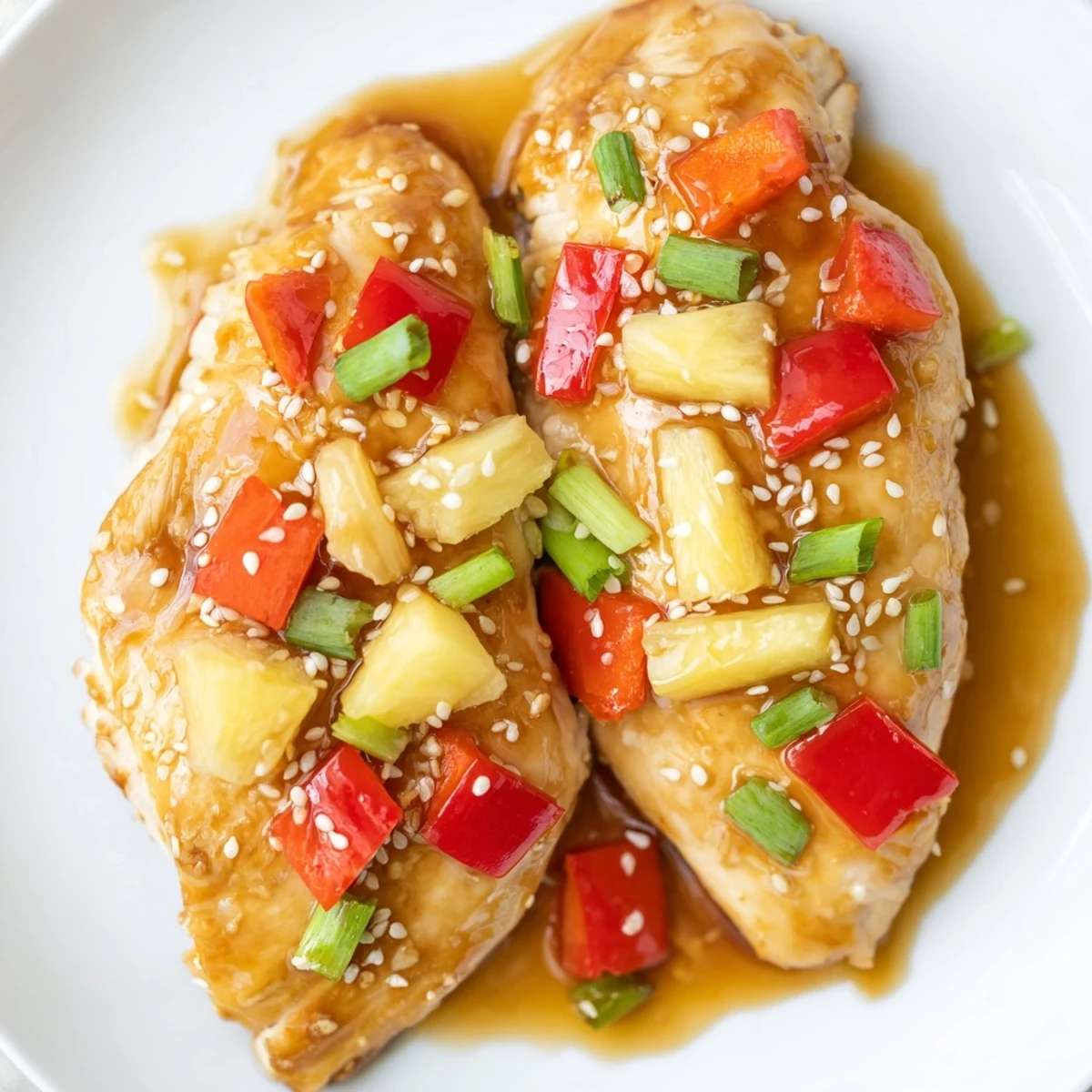
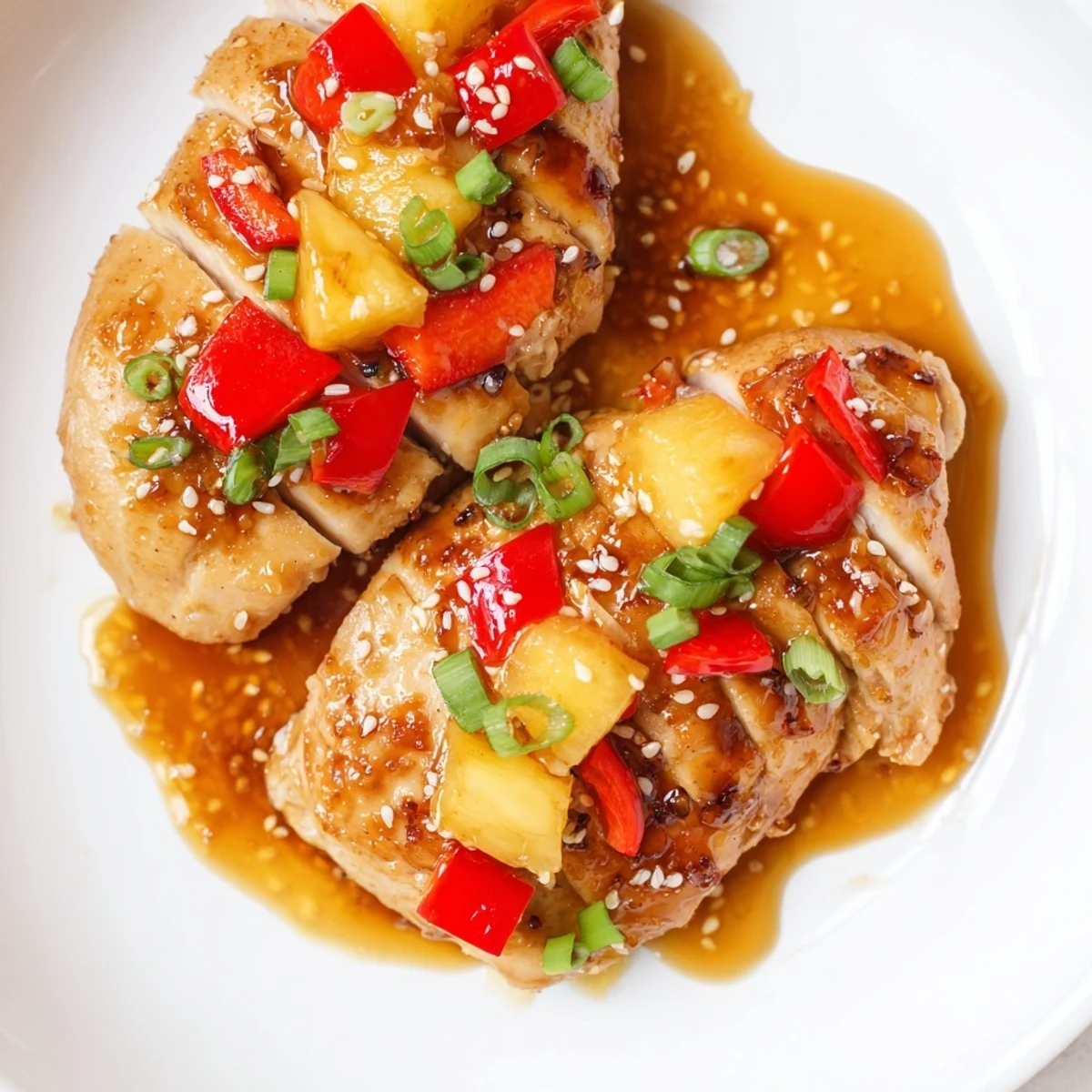
Pin This Hawaiian chicken brings tropical flavors straight to your dinner table. Boneless chicken breasts are pan-seared until golden, then simmered in a luscious pineapple soy glaze with brown sugar, ginger, and garlic.
The sauce thickens beautifully with cornstarch, coating every piece of chicken in sweet and savory goodness. Topped with fresh pineapple chunks, diced bell pepper, and green onions, it's a complete meal that pairs perfectly with steamed jasmine or coconut rice.
Ready in just 45 minutes with simple ingredients, this dish is naturally gluten-free when using GF soy sauce and feeds four people generously.
The smell of pineapple hitting a hot skillet is enough to make anyone think they have wandered into a beachside food truck, and that is exactly why this Hawaiian chicken lives on constant rotation in my kitchen. Something about the caramelized edges of chicken meeting a sticky, tangy sauce feels like a mini vacation without leaving home. My first attempt involved a splatter disaster that coated my stovetop in sticky droplets, but even that mess was worth every bite. This dish turned a random Tuesday into something that felt like a celebration.
I made this for a group of friends during a summer cookout that got rained out, and we ended up eating it cross-legged on the living room floor with paper plates piled high. Nobody complained about the weather after that first bite, and someone actually asked if I had ordered takeout and plated it on my own dishes. That reaction told me everything I needed to know about this recipe.
Ingredients
- Chicken breasts (4 boneless, skinless): Pound them to even thickness so they cook uniformly and stay juicy throughout.
- Salt and pepper: A generous seasoning on both sides creates the foundation for the sauce to cling to.
- Vegetable oil (1 tablespoon): A neutral oil lets the pineapple and soy flavors shine without competing.
- Pineapple juice (1 cup): Fresh squeezed is ideal but canned works beautifully and keeps this dish accessible year-round.
- Soy sauce (1/3 cup): This provides the salty umami backbone that balances all the sweetness.
- Brown sugar (1/4 cup): It deepens the glaze and helps create those gorgeous sticky edges on the chicken.
- Rice vinegar (2 tablespoons): A subtle acidity that brightens the whole sauce and keeps it from tasting flat.
- Garlic (3 cloves, minced): Fresh garlic makes a noticeable difference here, so skip the jarred version if you can.
- Fresh ginger (1 tablespoon, grated): Grate it finely so it melts into the sauce and distributes warmth evenly.
- Cornstarch (1 tablespoon mixed with 2 tablespoons water): This slurry transforms thin liquid into a glossy, coat-the-back-of-a-spoon glaze.
- Pineapple chunks (1 cup): Fresh bursts of fruit in every bite, though canned chunks drained well are perfectly fine.
- Red bell pepper (1, diced): Adds crunch, color, and a slight sweetness that echoes the tropical theme.
- Green onions (2, sliced): A fresh, sharp finish that cuts through the richness of the sauce.
- Sesame seeds (optional garnish): A sprinkle of these adds a subtle nutty aroma and visual appeal.
Instructions
- Season and Sear the Chicken:
- Pat the chicken dry with paper towels and season both sides generously with salt and pepper, then heat the oil in a large skillet over medium-high heat until it shimmers. Lay the chicken in carefully and let it cook undisturbed for 5 to 6 minutes per side until you see a deep golden crust form, then remove and set it aside on a plate.
- Build the Sauce:
- Pour the pineapple juice, soy sauce, brown sugar, rice vinegar, garlic, and ginger directly into that same skillet with all those beautiful browned bits still clinging to the bottom. Stir everything together while scraping up the fond and bring it to a gentle simmer so the sugar dissolves and the aromatics bloom.
- Add the Fruit and Vegetables:
- Toss in the pineapple chunks and diced bell pepper, letting them bubble in the sauce for 3 to 4 minutes until the pepper softens slightly but still retains a bit of crunch.
- Thicken the Glaze:
- Give your cornstarch slurry one more stir and pour it into the skillet, stirring constantly as the sauce transforms from a thin liquid into a glossy, thick glaze that coats a spoon, which should take about 2 minutes.
- Return and Coat the Chicken:
- Nestle the chicken back into the skillet and turn each piece to coat it completely in that sticky sauce, then let everything simmer together for 5 minutes so the flavors meld and the chicken heats through.
- Garnish and Serve:
- Scatter sliced green onions and sesame seeds over the top while the chicken is still hot so the garnish sticks to the glaze, then serve immediately over steamed rice to soak up every last drop of sauce.
 Pin
Pin There is something about watching friends go back for seconds and thirds that makes a recipe feel like it has earned a permanent spot in your life. This dish has a way of turning quiet dinners into loud, happy meals where nobody looks at their phone once.
What to Serve Alongside
Steamed jasmine rice is the obvious companion here because it acts like a sponge for every drop of that pineapple glaze, but coconut rice takes things to another level entirely with its creamy sweetness. I once served this over a bed of lightly dressed slaw on a hot night and the crunch against the tender chicken was a revelation I keep repeating.
Swaps and Shortcuts
Chicken thighs are a fantastic substitute if you prefer darker, juicier meat that forgives slight overcooking, and tofu pressed dry and cubed works surprisingly well for a plant-based version. A pinch of red pepper flakes tossed into the sauce adds a gentle heat that plays beautifully against the sweetness without overwhelming anyone at the table.
Storage and Reheating
Leftovers keep beautifully in an airtight container in the refrigerator for up to three days, and the flavors actually deepen overnight as the sauce seeps into every fiber of the chicken. Reheat gently in a skillet over low heat with a splash of water to loosen the glaze back to its original consistency rather than using a microwave, which can toughen the meat. The sauce may thicken considerably when chilled, so do not be alarmed when you open the container and find it looking more like a jelly than a glaze.
- Freeze individual portions for up to two months and thaw overnight in the fridge before reheating.
- Keep the garnishes separate if you plan to store leftovers, because green onions wilt and sesame seeds lose their crunch.
- Always reheat on the stove over low heat with a tablespoon of water to bring the sauce back to life.
 Pin
Pin This is the kind of recipe that makes people close their eyes when they take the first bite, and that reaction never gets old. Keep it in your back pocket for any night that needs a little sunshine.
Recipe Questions & Answers
- → Can I use chicken thighs instead of breasts?
-
Yes, boneless skinless chicken thighs work beautifully and will yield juicier, more flavorful meat. Adjust cooking time by 2-3 minutes per side since thighs take slightly longer to cook through.
- → What can I substitute for pineapple juice?
-
If you don't have pineapple juice, you can use orange juice mixed with a tablespoon of lemon juice for similar acidity and sweetness. The flavor profile will shift slightly but remain delicious.
- → How do I store and reheat leftovers?
-
Store leftovers in an airtight container in the refrigerator for up to 3 days. Reheat gently in a skillet over medium-low heat or in the microwave at 50% power to avoid overcooking the chicken.
- → Is this dish spicy?
-
As written, this dish is not spicy at all. For heat, add a pinch of red pepper flakes when making the sauce or a dash of sriracha for a spicy-sweet tropical twist.
- → Can I make this ahead of time?
-
You can prepare the sauce up to a day in advance and store it refrigerated. When ready, sear the chicken and finish the dish. The flavors actually deepen and improve after sitting overnight.
- → What sides go well with Hawaiian chicken?
-
Steamed jasmine rice or coconut rice are classic pairings that soak up the sauce perfectly. A side of steamed broccoli, snap peas, or a simple cucumber salad also complement the tropical flavors well.