
 Pin
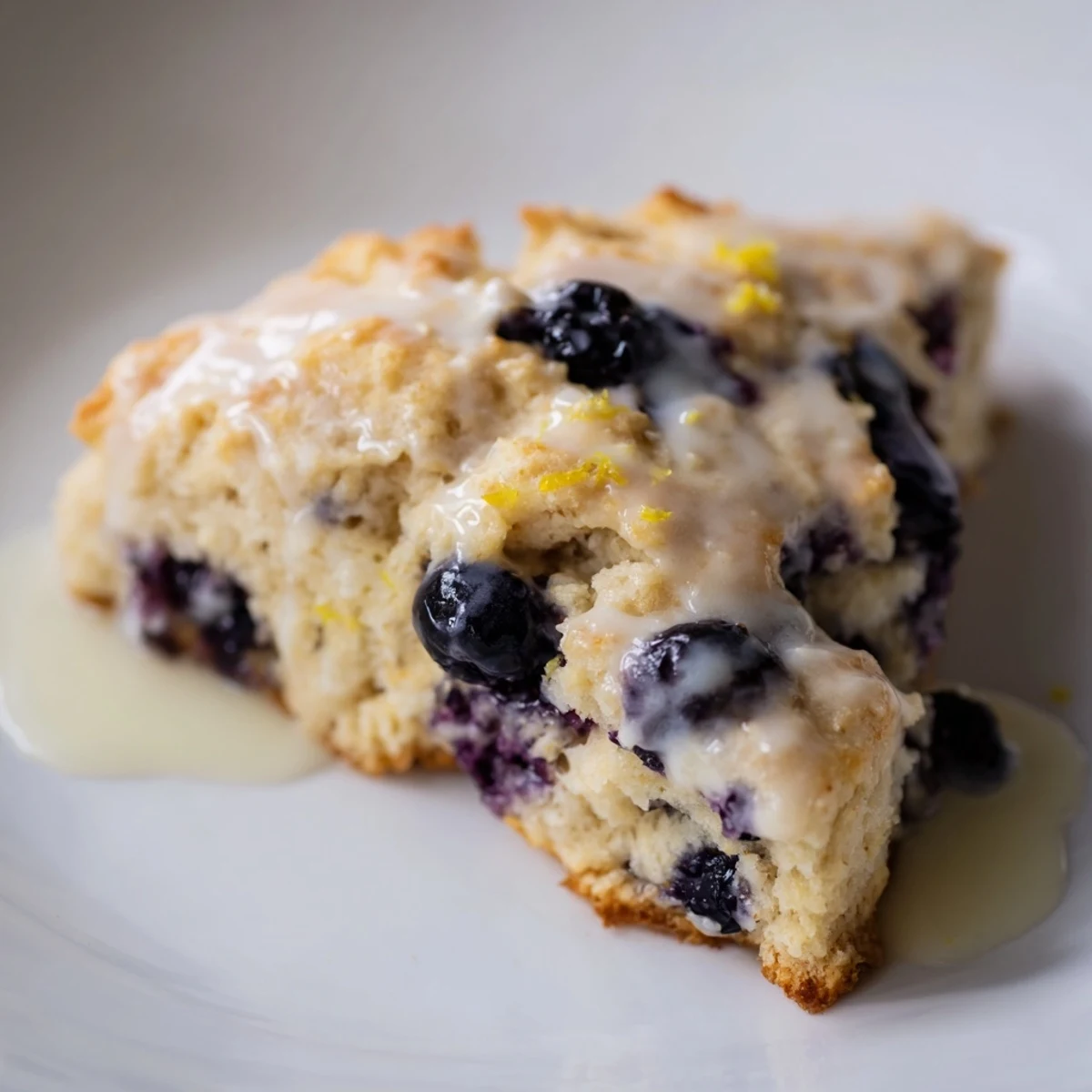
Pin These bright and tender scones combine juicy blueberries with refreshing lemon zest and juice, creating a delightful balance of flavors. The dough, rich with cold butter and heavy cream, produces a flaky and soft texture. After baking to a golden finish, a smooth citrus glaze is drizzled on top, adding sweetness and a tangy twist. Perfect for breakfast or a cozy afternoon treat, these scones offer a delicious mix of tart and sweet in every bite.
There's something about the smell of lemon zest hitting a warm mixing bowl that makes me stop whatever I'm doing. Years ago, a friend brought these scones to a Sunday breakfast, and the kitchen filled with this bright, almost floral citrus that made everyone pause mid-conversation. I asked for the recipe on the spot, and what started as a weekend experiment became my go-to when I wanted to feel like I'd gotten breakfast right.
I made these for my neighbor one morning when she mentioned she'd never had a good homemade scone, and the look on her face when she bit into one—that moment when someone realizes the difference between grocery store and your own kitchen—that's what keeps me making them.
Ingredients
- All-purpose flour (2 cups): The foundation—make sure it's fresh and stored cool, because old flour can make scones dense instead of tender.
- Granulated sugar (1/3 cup): Just enough sweetness to balance the brightness of the lemon without making them dessert-like.
- Baking powder and baking soda (2 tsp and 1/2 tsp): These are your lift—don't skip either one, and make sure both are in date or your scones won't rise properly.
- Fine sea salt (1/2 tsp): A pinch that makes everything taste more like itself.
- Lemon zest (1 tbsp finely grated): This is where the magic happens—use a microplane if you have one, and don't be shy with the pressure when grating.
- Unsalted butter (1/2 cup, cold and cubed): Cold is non-negotiable here; warm butter spreads instead of creating those tender flakes everyone wants.
- Heavy cream (2/3 cup cold, plus more for brushing): This is what makes them rich and moist, not dry and crumbly like some scone recipes.
- Egg (1 large): Your binder that also helps them brown beautifully on top.
- Vanilla extract (1 tsp): A quiet note that deepens the lemon flavor rather than competing with it.
- Fresh lemon juice (2 tbsp): Not bottled—fresh juice tastes brighter and prevents the flat taste of the jarred stuff.
- Fresh blueberries (1 cup, or frozen unthawed): The frozen trick prevents them from breaking apart during mixing and bleeding purple everywhere.
- Powdered sugar (1 cup sifted): Sift it before measuring or your glaze will taste gritty and lumpy.
- Lemon juice for glaze (2 to 3 tbsp): This thins the glaze to a drizzly consistency—add it slowly and taste as you go.
Instructions
- Heat and prepare:
- Preheat your oven to 400°F and line a baking sheet with parchment—this prevents sticking and lets the bottoms brown evenly instead of burning. A hot oven is key to scones rising properly, so let it fully preheat before you're ready to bake.
- Combine dry ingredients:
- Whisk flour, sugar, baking powder, baking soda, salt, and lemon zest in a large bowl until the zest is evenly distributed throughout. You're building the base for tender, well-seasoned scones here.
- Cut in the butter:
- Add cold butter cubes and use a pastry cutter, fork, or your fingertips to work the butter into the flour until it looks like coarse breadcrumbs with pea-sized pieces still visible. This matters because those little butter bits create steam pockets that make scones flaky.
- Mix wet ingredients:
- In a separate bowl, whisk cream, egg, vanilla, and fresh lemon juice until combined. Keep everything cold by working quickly.
- Bring it together:
- Pour wet ingredients into the flour mixture and stir until just combined—overmixing develops gluten and makes them tough and dense, which is the opposite of what you want. Stop as soon as you don't see dry flour.
- Fold in blueberries:
- Gently fold the blueberries into the dough, keeping them as whole as possible. If you use frozen berries unthawed, they'll hold their shape better.
- Shape the dough:
- Turn the dough onto a lightly floured surface and pat it into a 7-inch round about 1 inch thick, handling it as little as possible. Use a bench scraper if you have one to keep the edges clean and neat.
- Cut and space:
- Cut the round into 8 wedges like a pizza and arrange them on the prepared baking sheet with space between each one so steam can escape and they bake evenly. Crowding them together creates dense, undercooked centers.
- Brush and bake:
- Brush the tops lightly with cream and bake for 16 to 18 minutes, until golden brown and a toothpick inserted into the center comes out clean. The golden color tells you they're baked through.
- Cool and glaze:
- Let scones cool on a wire rack for a few minutes—they need to set but are best enjoyed still warm. Whisk powdered sugar, lemon juice, and zest until smooth and slightly runny, then drizzle generously over the cooled scones.
 Pin
Pin My sister took one of these to a potluck once and someone asked for the recipe, and she had to admit they were homemade—that moment shifted something for both of us about what's possible in a home kitchen.
The Lemon Trick
The zest-in-the-dry-mix step might seem small, but it's where the lemon flavor gets distributed evenly instead of just landing on the surface. When you grate the zest, press the microplane into the lemon with intention—you want those little bright flecks visible throughout the dough, not a faint whisper of flavor.
Why Blueberries Stay Whole
The reason I specify frozen-unthawed blueberries is that their firm exterior protects them during mixing, and they thaw gently in the heat of the oven instead of breaking apart and staining everything purple. Fresh berries work too, but handle the dough more gently and fold them in with a minimal number of strokes—think of it as a single, careful motion rather than repeated mixing.
Making It Your Own
I've made these with raspberries on a summer morning when blueberries were out of season, and with a combination of berries when I wanted to use up what was in the freezer. The formula stays the same, but the personality of the scone changes with each variation you try.
- For extra crunch and visual appeal, sprinkle coarse sugar over the cream-brushed tops right before baking.
- A tiny pinch of ground ginger or cardamom deepens the lemon flavor if you're feeling adventurous.
- Make sure your oven temperature is accurate—a few degrees too cool and they'll spread instead of rising.
 Pin
Pin These scones taste best eaten the same day, still slightly warm, with butter and jam or just as they are—that combination of citrus, berry, and buttery crumb is honestly enough. They're the kind of thing that makes a quiet morning feel special.
Recipe Questions & Answers
- → How can I ensure the scones stay tender?
-
Use cold butter and heavy cream to create a flaky texture. Handle the dough gently and avoid overmixing to keep it tender.
- → Can frozen blueberries be used without thawing?
-
Yes, using frozen blueberries without thawing helps prevent extra moisture, which keeps the scones from becoming soggy.
- → What is the best way to apply the glaze?
-
Whisk powdered sugar with fresh lemon juice and zest until smooth, then drizzle over cooled scones for a light citrus finish.
- → How can I add extra crunch to the scones?
-
Sprinkle coarse sugar on top of the scones before baking to add a sweet, crunchy texture.
- → Are there any good berry substitutions for blueberries?
-
Raspberries or blackberries work well as alternatives, offering a different but equally tasty berry flavor.