
 Pin
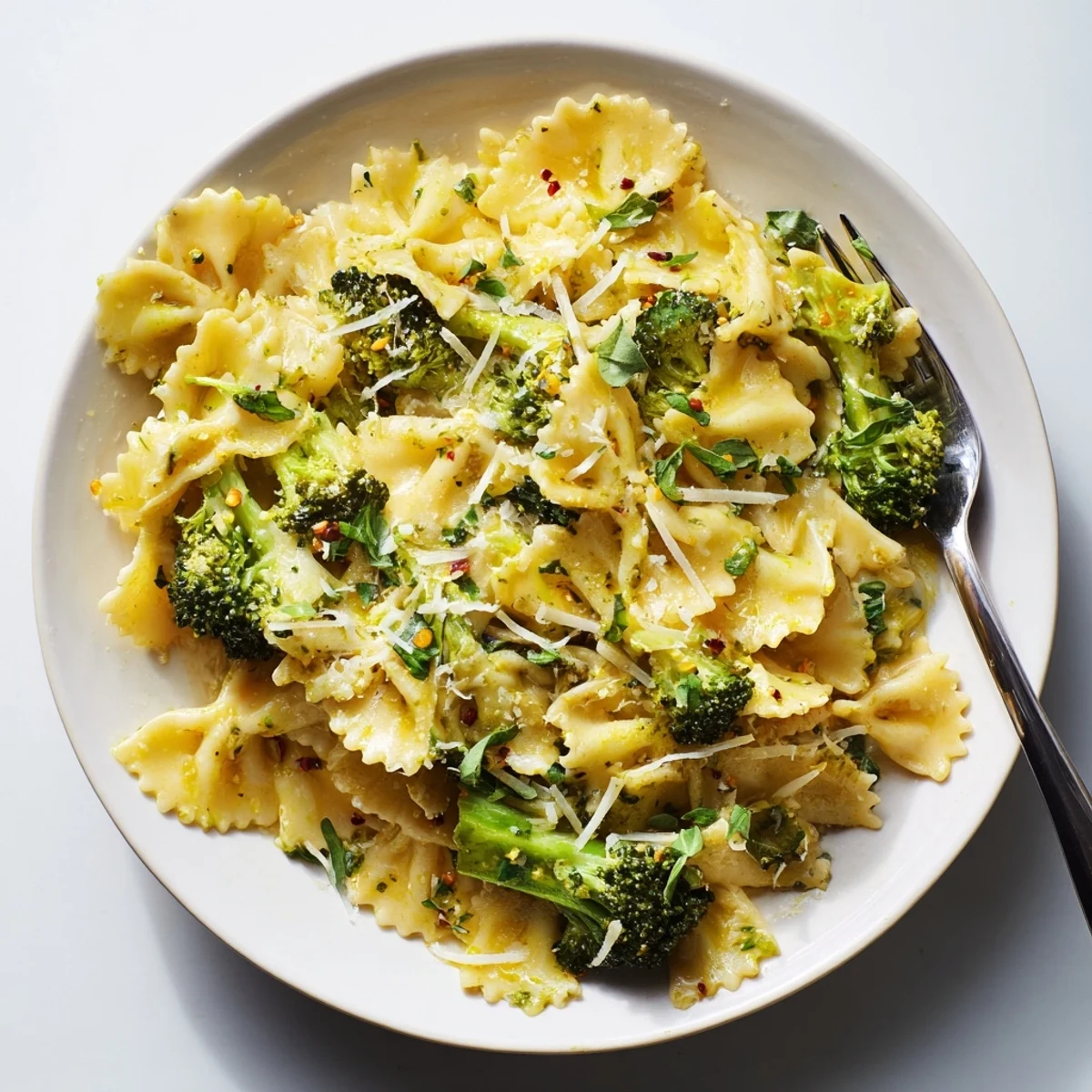
Pin This Italian-inspired mafaldine brings together tender broccoli florets, bright lemon zest, and a generous shower of Parmigiano-Reggiano in a silky olive oil sauce. The wide, ribbon-like noodles catch every bit of the tangy, garlicky goodness.
Ready in just 35 minutes, it's a weeknight dinner that feels special enough for guests. Blanching the broccoli keeps it vivid green and slightly crisp, while a splash of pasta water pulls everything together into a creamy, emulsified finish without any cream.
A handful of fresh basil or parsley and a pinch of chili flakes add a final layer of freshness and gentle heat. Serve it straight from the skillet with extra cheese on the side.
The exhaust fan above my stove was broken the evening I stumbled into this recipe, so every lemon scent and garlic sizzle filled the apartment until my neighbor knocked to ask what was cooking. I had a head of broccoli turning yellow in the crisper and a bag of mafaldine I had bought purely because the ruffled edges looked like tiny lasagna ribbons. What came together in half an hour was so bright and satisfying that I made it three more times that same week. Now it is the dish I reach for when I want something that tastes like effort but asks almost nothing of me.
My sister walked in while I was tossing the pasta in the skillet and immediately grabbed a fork straight from the drawer, not even pretending to wait for a plate. We stood at the stove eating directly from the pan, juice running down my wrist from the extra lemon I had squeezed over the top. She told me it was the best thing I had ever made, though she says that about anything with enough cheese. Still, that moment of steam and laughter and standing instead of sitting is exactly how this dish deserves to be enjoyed.
Ingredients
- Mafaldine pasta (400 g): The wide ruffled noodles are essential here because those edges trap every bit of the lemony oil. If you cannot find mafaldine, fettuccine works as a solid backup.
- Salt (for pasta water): Season the water generously until it tastes like mild seawater because this is your one chance to flavor the pasta from within.
- Broccoli (1 large head, cut into small florets): Smaller florets cook faster and get more surface area for caramelizing in the skillet. Peel and slice the stem too because it is sweet and tender when cooked.
- Garlic (2 cloves, thinly sliced): Sliced rather than minced so you get soft golden bites distributed throughout the dish rather than an overwhelming paste.
- Lemon zest (of 2 lemons): The zest carries all the fragrant oils without the acidity. Rub the zest into the oil with your fingers to release even more of its perfume.
- Lemon juice (of 1 lemon): Added at the end to preserve its sharp fresh snap. Roll the lemon on the counter before juicing to get every last drop.
- Shallot (1 small, finely chopped, optional): Adds a gentle sweetness that rounds out the garlic. Skip it if you do not have one because the dish is still wonderful without.
- Extra virgin olive oil (70 ml): This is the backbone of the sauce so use the best oil you have. A grassy peppery oil will elevate the entire plate.
- Parmigiano Reggiano (40 g, grated, plus extra for serving): Grate it finely so it melts smoothly into the pasta water and forms a silky coating. Always grate fresh because the pre grated version contains anti caking agents that make the sauce gritty.
- Freshly ground black pepper (to taste): Be generous because the pepper plays beautifully against the lemon and cheese.
- Chili flakes (quarter tsp, optional): Just enough warmth to make your lips tingle without overpowering the citrus. Adjust to your own tolerance.
- Fresh basil or flat leaf parsley (10 g, roughly chopped): Basil brings sweetness and parsley brings earthy freshness so choose based on your mood. Tear rather than chop to avoid bruising delicate leaves.
Instructions
- Boil the pasta with intention:
- Bring a large pot of well salted water to a rolling boil and drop in the mafaldine, stirring occasionally so the ribbons do not clump. Cook until just al dente with a slight chalky core remaining because it will finish in the skillet. Scoop out 120 ml of that starchy cooking water before draining because it is liquid gold for building sauce.
- Blanch the broccoli until vivid:
- Drop the florets into boiling water for two to three minutes until they turn an impossibly bright green and yield just slightly to a fork. Drain immediately and spread them out so they stop cooking from residual heat. Overcooked broccoli turns mushy and gray so watch them closely.
- Build the flavor base:
- Heat the olive oil in a large skillet over medium heat and add the shallot and sliced garlic, swirling gently until the kitchen smells like an Italian trattoria. The garlic should turn pale gold but never brown because brown garlic is bitter garlic. Toss in the broccoli, lemon zest, and chili flakes, cooking for another two minutes until everything is coated and fragrant.
- Marry pasta and sauce:
- Add the drained mafaldine and the reserved pasta water to the skillet, tossing with tongs like you are conducting a small orchestra. The starch in the water emulsifies with the oil and cheese to create a glossy clinging sauce. Stir in the lemon juice and grated Parmigiano then cook for one to two more minutes until the sauce coats each ruffled noodle.
- Finish with freshness:
- Remove the pan from heat and shower the top with torn basil or chopped parsley. Taste a noodle and adjust with more lemon juice, salt, or pepper until it sings on your tongue. Serve immediately in warm bowls with extra cheese passed at the table.
 Pin
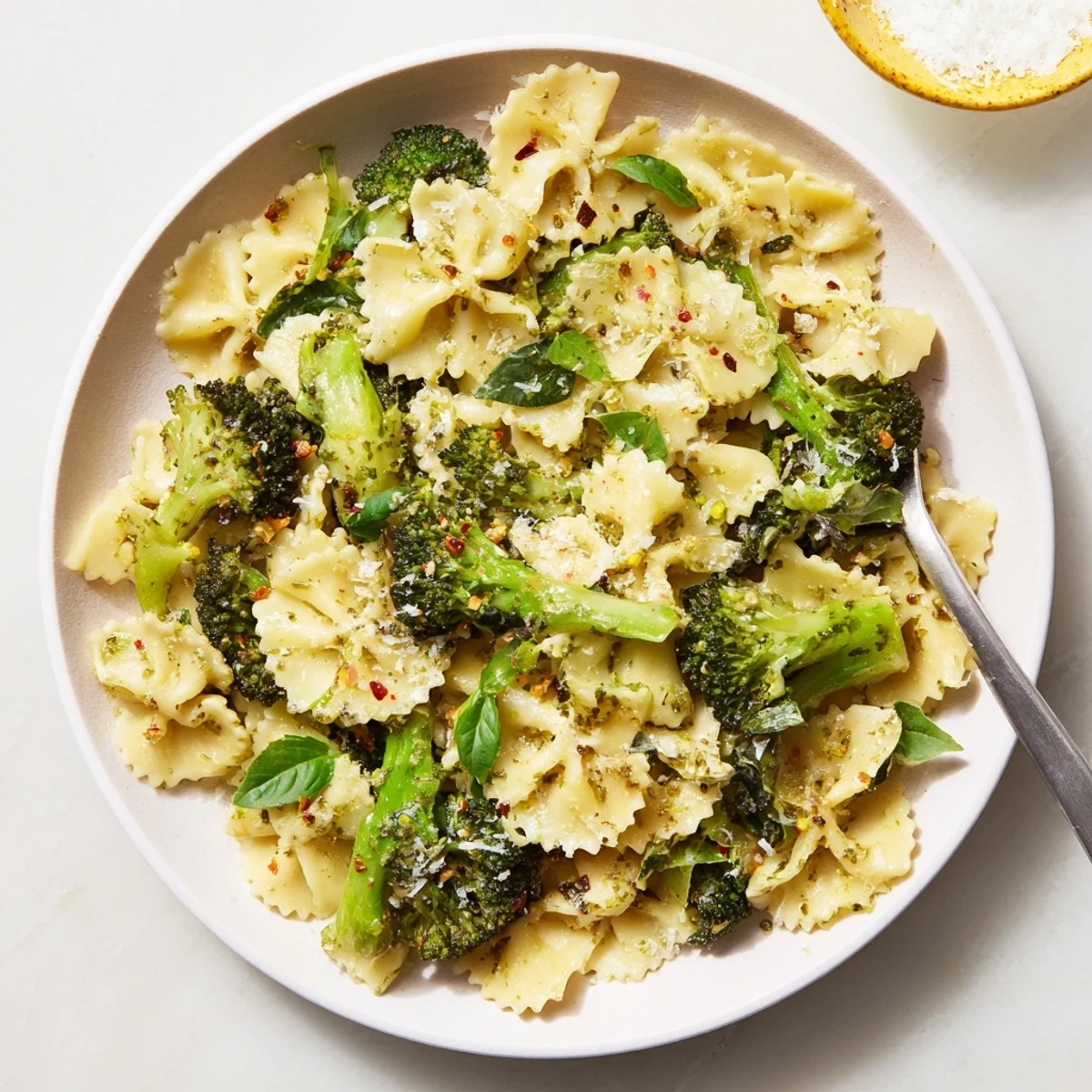
Pin The first time I served this at a small dinner gathering, a friend who claims to dislike broccoli went back for thirds and then asked for the recipe before the night was over.
Choosing the Right Pasta Shape
Mafaldine is worth seeking out because those ruffled edges act like tiny nets catching the lemony oil and flecks of cheese in every bite. Flat noodles like fettuccine or tagliatelle will still deliver a lovely meal but you lose some of the textural play. I once used rigatoni in a pinch and while the sauce pooled nicely inside the tubes, it felt like a different dish entirely. The shape truly shapes the experience here.
Making It Your Own
A knob of butter stirred in at the end adds a velvety richness that turns this from a weeknight meal into something worthy of company. Toasted pine nuts scattered over the top bring a gentle crunch that contrasts the soft broccoli beautifully. For a vegan version, a good quality plant based Parmesan style cheese works surprisingly well especially if you add an extra squeeze of lemon.
Pairings and Final Touches
A chilled glass of Vermentino or any crisp Italian white wine mirrors the citrus notes and cuts through the olive oil beautifully. A simple arugula salad with lemon vinaigrette alongside keeps the entire meal in the same bright key.
- Warm your serving bowls in a low oven so the pasta stays hot while you eat and converse at the table.
- If the sauce tightens too much before serving a splash more of warm water loosens it right back up.
- Always taste and adjust seasoning at the very end because cheese and lemon potency vary wildly from batch to batch.
 Pin
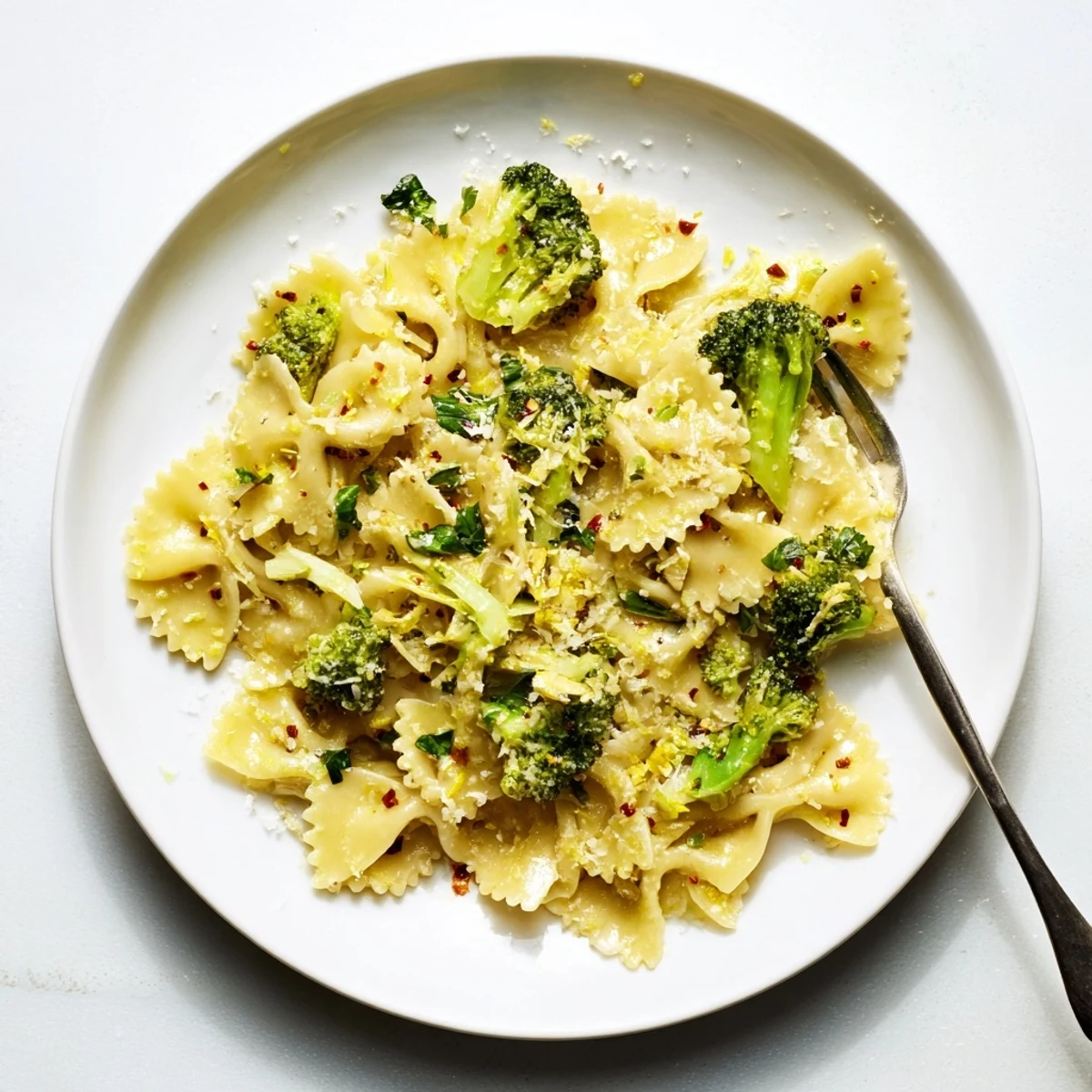
Pin Some dishes earn a permanent spot in your rotation not because they impress but because they make you feel completely at ease while cooking them. This is that kind of recipe, simple and bright and always welcome at my table.
Recipe Questions & Answers
- → Can I use a different pasta shape instead of mafaldine?
-
Absolutely. Fettuccine, tagliatelle, or pappardelle all work beautifully here. Flat, ribbon-style pastas are ideal because they carry the lemon and olive oil sauce well, but even short shapes like orecchiette or fusilli will grab onto the broccoli florets nicely.
- → How do I get the broccoli to stay bright green?
-
The key is blanching the florets briefly in boiling water for just 2 to 3 minutes, then draining immediately. Avoid overcooking them. This quick blanch locks in that vivid color while keeping the broccoli tender-crisp with a satisfying bite.
- → What can I substitute for Parmigiano-Reggiano?
-
Grana Padano or Pecorino Romano are excellent alternatives with similar savory depth. For a dairy-free version, nutritional yeast blended with a touch of garlic powder and salt can mimic the umami kick, or use a store-bought vegan Parmesan-style cheese.
- → Why reserve pasta water before draining?
-
Pasta water is seasoned and full of starch, which helps emulsify the olive oil and lemon juice into a silky, cohesive sauce rather than a greasy pool. Adding it back to the skillet while tossing creates that restaurant-quality creaminess without any actual cream.
- → Can I make this ahead of time?
-
This dish is best enjoyed fresh, straight from the pan. If you need to prep ahead, cook the broccoli and prepare your aromatics in advance, then boil the pasta and assemble everything right before serving. Leftovers will keep in the fridge for up to 2 days and can be gently reheated with a splash of water.
- → What wine pairs well with this dish?
-
A chilled Italian white like Vermentino or a crisp Pinot Grigio complements the lemon and olive oil beautifully. If you prefer red, a light Sangiovese or Valpolicella won't overpower the delicate flavors. The goal is something bright and refreshing to mirror the dish.