
 Pin
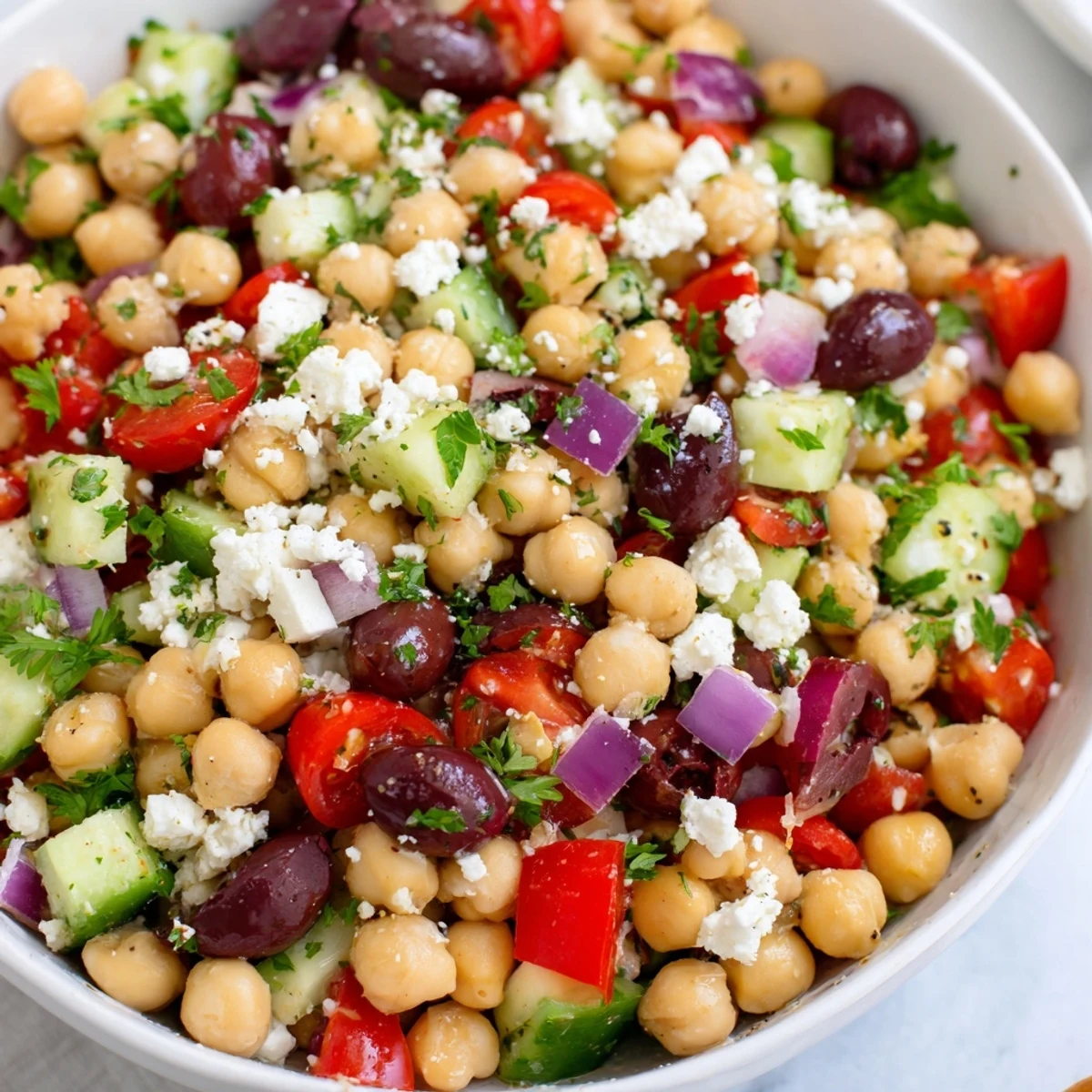
Pin This fresh Mediterranean chickpea and feta salad combines protein-rich chickpeas with juicy cherry tomatoes, crisp cucumber, red bell pepper, and Kalamata olives. Crumbled feta and fresh parsley add a creamy, herbal touch. A tangy dressing of olive oil, lemon juice, oregano, and garlic unites the flavors perfectly. Prepared quickly and requiring no cooking, this salad makes a bright, satisfying option for a light lunch or side.
There's something about standing in the kitchen on a warm afternoon, chopping vegetables while the sunlight streams across the counter, that makes you want to eat fresh. I discovered this salad one summer when I had a feta wedge that needed using and a handful of cherry tomatoes from the market—nothing fancy, just good ingredients that wanted to sing together. The chickpeas came later, the moment I realized this could be more than a side, could actually be lunch, could be the kind of thing you make twice in one week.
I made this for a potluck once, nervous about whether salad would hold its own against all those casseroles. Someone came back to the table three times, and when I told them it was chickpeas and feta, they looked almost disappointed it wasn't more complicated. That's when I knew it was the kind of recipe worth keeping close.
Ingredients
- Chickpeas: A full can, drained and rinsed—they're your protein anchor, turning this from a side into something substantial enough for lunch.
- Cherry tomatoes: Halved so they don't roll around, bringing sweetness and that pop of juice you need.
- Cucumber: Diced small, it keeps everything light and cool, a whisper of freshness in every bite.
- Red bell pepper: Adds color and a gentle sweetness that rounds out the olive sharpness.
- Red onion: Finely chopped so it doesn't overwhelm—the bite is part of the story, not the whole thing.
- Kalamata olives: Pitted and halved, they're briny and bold, the flavor you come back for.
- Feta cheese: Crumbled by hand, it softens into the salad without disappearing completely.
- Fresh parsley: Chopped just before serving, it adds a green note that feels alive.
- Extra virgin olive oil: Good quality matters here because it's doing the heavy lifting in the dressing.
- Lemon juice: Freshly squeezed—bottled won't give you the same brightness.
- Dried oregano: A teaspoon is enough to remind you this is Mediterranean, not just a vegetable toss.
- Garlic: One clove, minced fine, so it flavors without shouting.
- Sea salt and black pepper: The final adjustment, always tasted before serving.
Instructions
- Gather and chop your vegetables:
- Work through them one at a time, keeping your board clean between changes. There's something meditative about it—the rhythm of the knife, the way colors build on the cutting board.
- Combine everything in a large bowl:
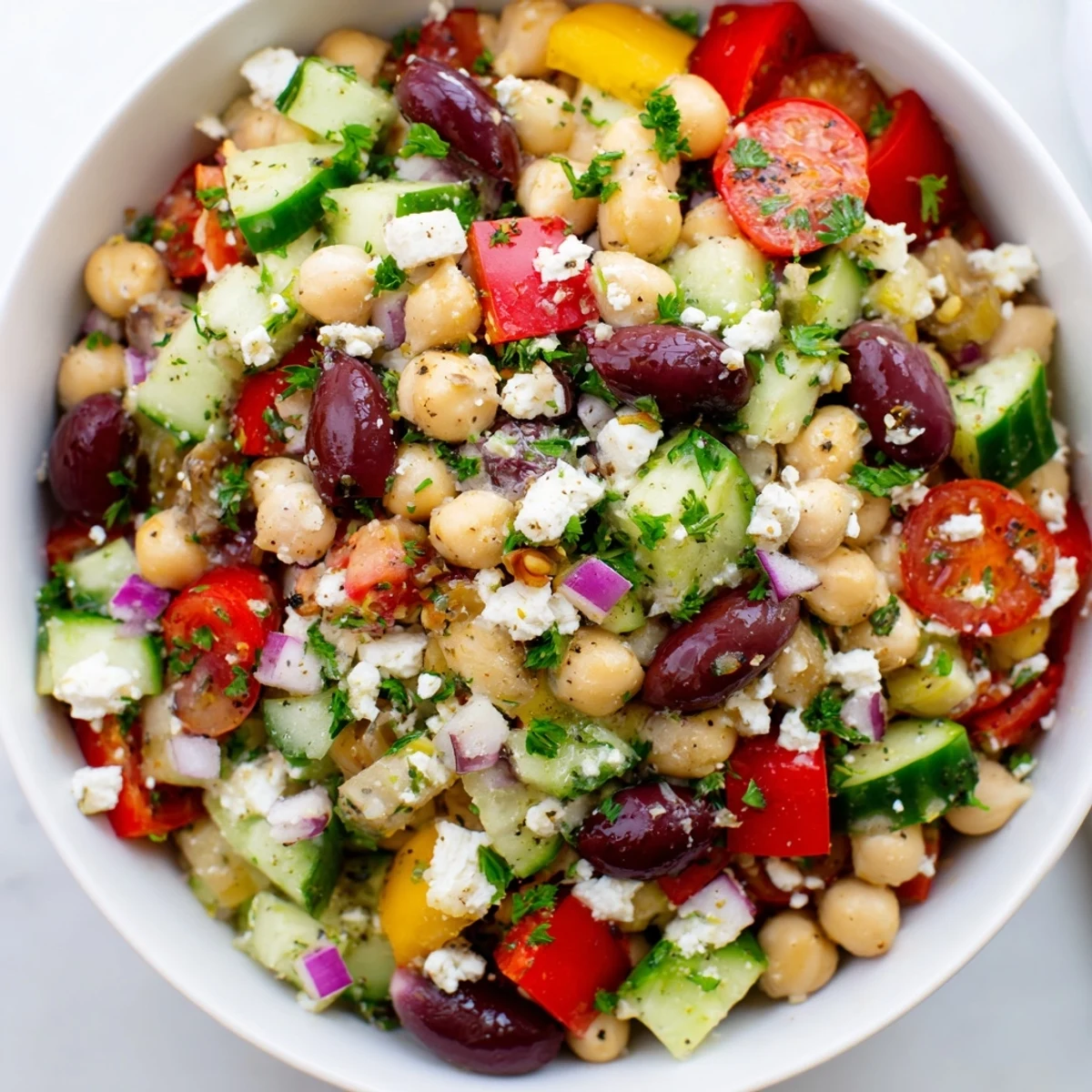
- Add the chickpeas first, then tomatoes, cucumber, pepper, onion, olives, feta, and parsley on top. Don't mix yet—you want to see all those colors together for a moment.
- Make your dressing:
- Whisk the oil, lemon juice, oregano, and minced garlic together in a small jar or bowl until it looks emulsified and smells like vacation. Taste it—it should make your mouth water.
- Dress and toss gently:
- Pour that dressing over everything and toss with your hands or two forks, being careful enough that the feta stays in chunks. You want it tossed, not mashed.
- Taste and adjust:
- Pinch a bite and decide if it needs more salt, more lemon, more oregano. Serve right away or let it sit 30 minutes so the flavors can settle into each other—both ways are right.
 Pin
Pin There was an evening when I made this for a friend who'd just moved and had nothing in their apartment, and we ate it standing up at their new kitchen counter, forks right from the bowl. We talked about all the things they were going to cook in that kitchen, and somehow this simple salad felt like the beginning of something.
What Makes This Salad Different
Most salads apologize for being salad—they're filler, something green you eat before the real meal. This one doesn't. The chickpeas anchor it so you feel satisfied, the feta gives it richness, and the olives make sure it's never boring. It's the kind of salad that works as a lunch all by itself or as a side that doesn't disappear into the background.
Why the Dressing Matters
I used to just pour vinegar and oil over vegetables and call it done. This dressing changed that—the oregano is the key, the thing that says Mediterranean, and the garlic has to be raw so it stays sharp. Good olive oil matters too, the kind that tastes like olives, not just neutral fat. If you use inferior oil or bottled lemon juice, you'll taste the difference.
How to Make It Your Own
This salad is a template, not a prison. I've added crumbled avocado when I had one, thrown in a handful of arugula for peppery green, swapped the feta for vegan cheese when cooking for a friend who needed it. The bones never change—chickpeas, tomatoes, the olive-oregano-lemon dressing—but everything else is negotiable.
- Toss in arugula or spinach if you want something leafier, or pile this on top of a bed of greens and you've got a completely different meal.
- Add diced avocado at the last minute so it doesn't get bruised by the tossing.
- Serve it as a topping for grilled pita or use it to fill a wrap if you want something more substantial.
 Pin
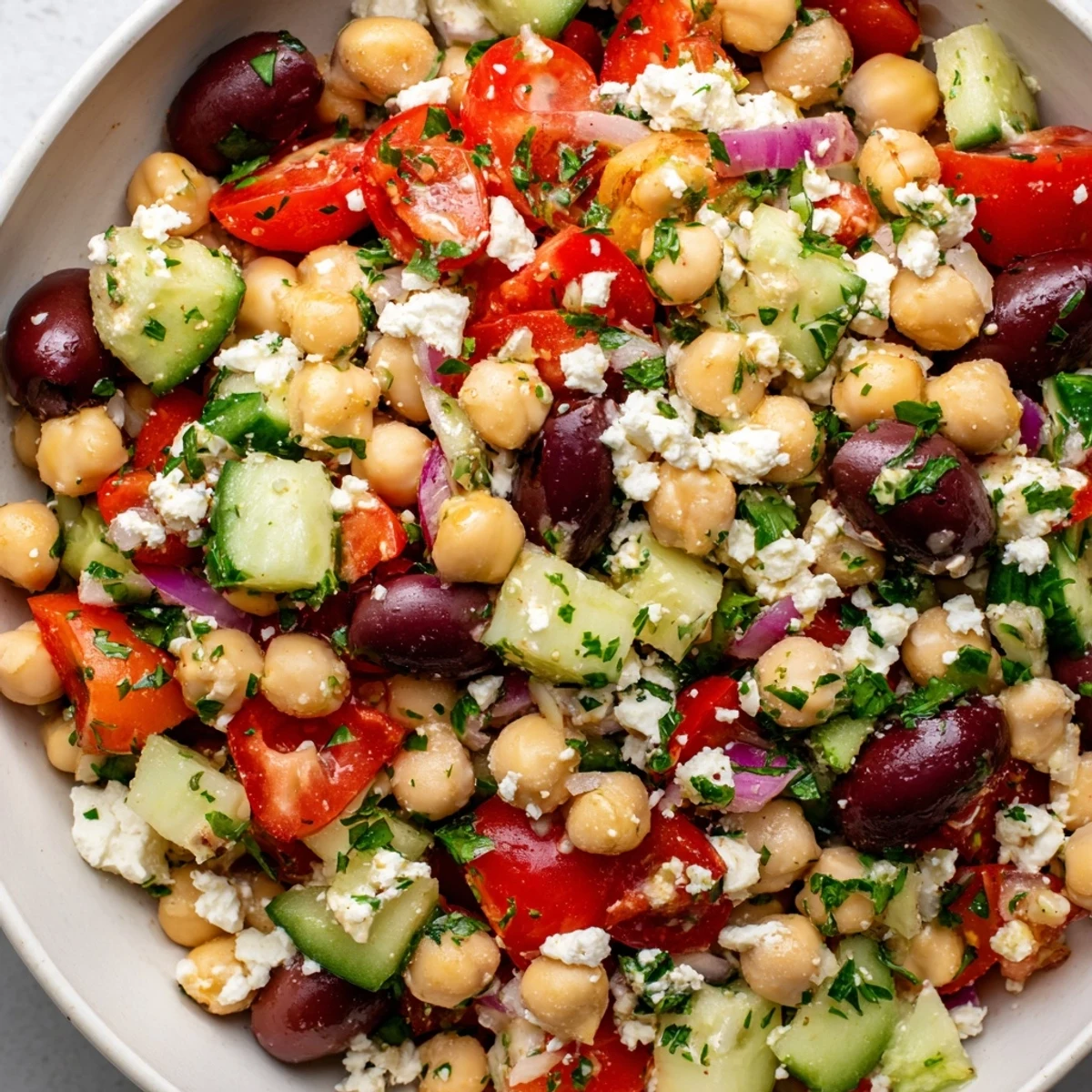
Pin This is the salad I come back to when I want something that tastes like sunshine, takes no time, and makes me feel good about eating. It's proof that simple, good ingredients don't need complicated technique to be memorable.
Recipe Questions & Answers
- → What makes this salad Mediterranean in style?
-
It features classic Mediterranean ingredients like Kalamata olives, feta cheese, olive oil, lemon, and oregano, which bring fresh, vibrant flavors.
- → Can I prepare the dressing ahead of time?
-
Yes, the olive oil, lemon juice, oregano, and garlic dressing can be whisked and refrigerated for a day before mixing with the salad.
- → Is it possible to make this dish vegan?
-
Substitute the feta with a plant-based cheese alternative to keep the texture and flavor balanced without dairy.
- → What can I add for extra richness or texture?
-
Adding diced avocado or fresh arugula can introduce creaminess and additional layers of flavor.
- → How should I store leftovers to maintain freshness?
-
Store the salad in an airtight container in the refrigerator and consume within 1-2 days for optimal taste and texture.
- → Are there any common allergens in this salad?
-
It contains dairy from feta cheese and may have trace nuts from olive processing, so check ingredient sources if sensitive.