
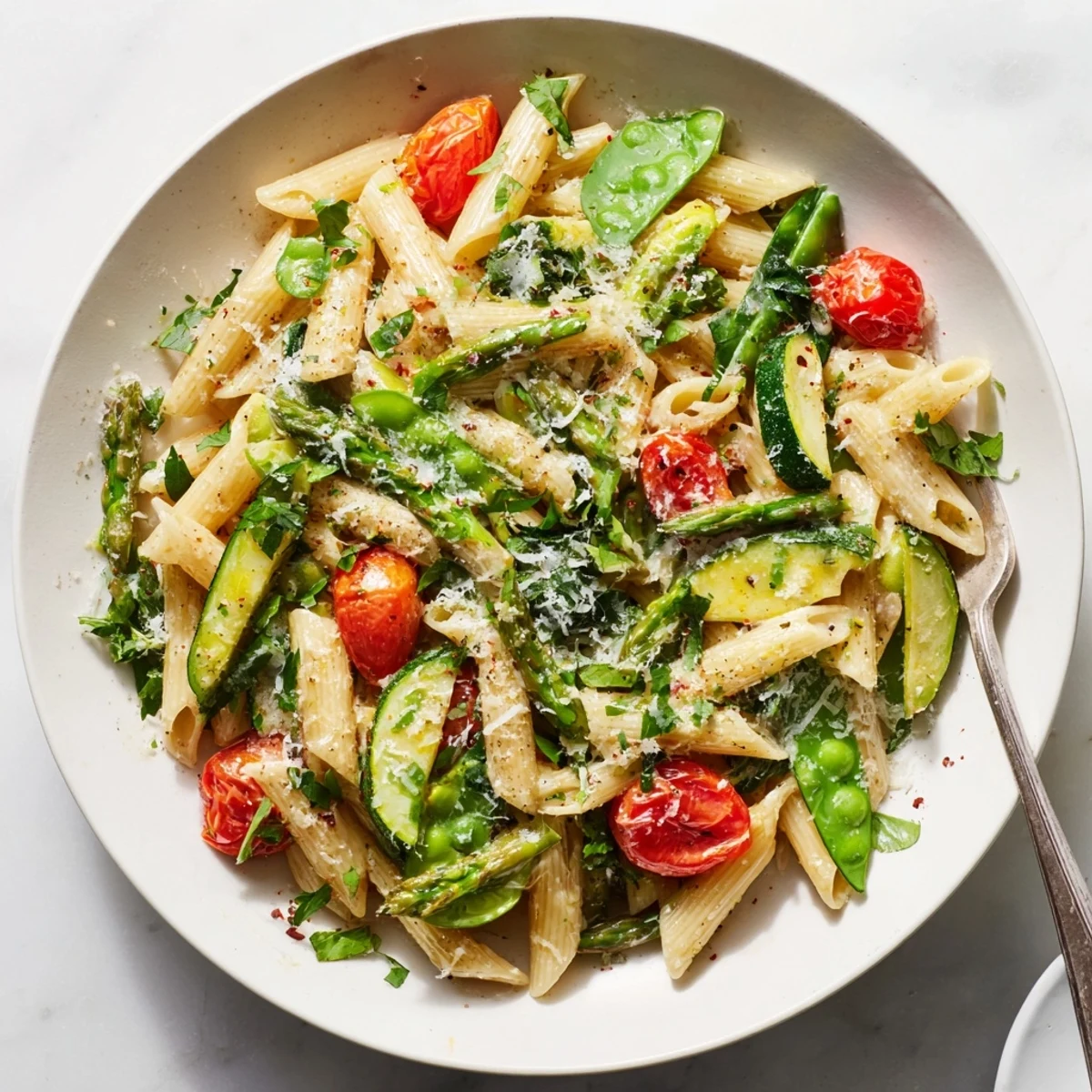
 Pin
Pin This vibrant one-pot pasta brings together tender penne and fresh spring vegetables in a single skillet. The pasta cooks directly in vegetable broth, absorbing all the flavors while creating a light sauce. Asparagus, sugar snap peas, zucchini, cherry tomatoes, and baby spinach add color and nutrients, while leek and garlic provide aromatic depth. A splash of lemon and Parmesan finish the dish with bright, savory notes. Ready in just 35 minutes with minimal cleanup required.
The first time I made this pasta, I stood by the stove watching the broth bubble away, thinking there was no way this could work. But then the starches thickened everything into this silky sauce, and I realized I'd been overthinking pasta my whole life. Now it's my go-to when I want something that tastes like spring but don't want to spend hours at the sink.
Last April, my friend Sarah dropped by unexpectedly while I had this simmering on the stove. She took one bite of those snap peas and asked if I'd been cooking all afternoon. Sometimes the simplest methods produce the most impressive results.
Ingredients
- 340 g (12 oz) penne or fusilli pasta: Short pasta catches all the vegetables and sauce in every bite
- 1 liter (4 cups) low-sodium vegetable broth: The foundation of your sauce, so choose one you actually like drinking
- 250 ml (1 cup) water: Helps the pasta cook without making the broth too salty
- 1 cup asparagus, cut into 2.5 cm pieces: Look for tight, closed heads and snap off the woody ends
- 1 cup sugar snap peas, trimmed: These stay crisp and sweet, adding the best crunch
- 1 cup zucchini, halved and sliced: Don't slice too thin or they'll disappear into the sauce
- 1 cup baby spinach: Adds fresh color and wilts beautifully at the end
- 1 cup cherry tomatoes, halved: They burst slightly and release their juices into the pasta
- 1 small leek, white and light green part, sliced: Clean thoroughly, sand hides between those layers
- 2 cloves garlic, minced: Mince it fresh, nothing beats that aroma hitting hot oil
- 2 tbsp olive oil: Your cooking fat and flavor base
- 1 tsp lemon zest: Use a microplane and avoid the bitter white pith
- 2 tbsp lemon juice: Brightens everything and cuts through the starch
- 1/4 cup grated Parmesan cheese: Savory depth that makes the sauce taste restaurant-quality
- Salt and black pepper: Taste at the end, the broth already brings salt
- 2 tbsp chopped fresh basil or parsley: Finish with whatever looks freshest at the market
Instructions
- Sauté the aromatics:
- Heat olive oil in your largest deep skillet over medium heat, add the sliced leek and minced garlic, cook until soft and fragrant, about 2 minutes.
- Start the pasta:
- Add the pasta, broth, and water, bring everything to a rolling boil, stir once to prevent sticking, then reduce to a gentle simmer.
- Add first vegetables:
- After 8 minutes of simmering, stir in asparagus, snap peas, and zucchini, cook for another 7 minutes while stirring occasionally.
- Finish with delicate ingredients:
- Fold in spinach, tomatoes, lemon zest, lemon juice, and Parmesan, cook 2 more minutes until spinach wilts and everything is heated through.
- Season and serve:
- Taste and add salt and pepper as needed, then serve immediately with extra herbs and Parmesan on the table.
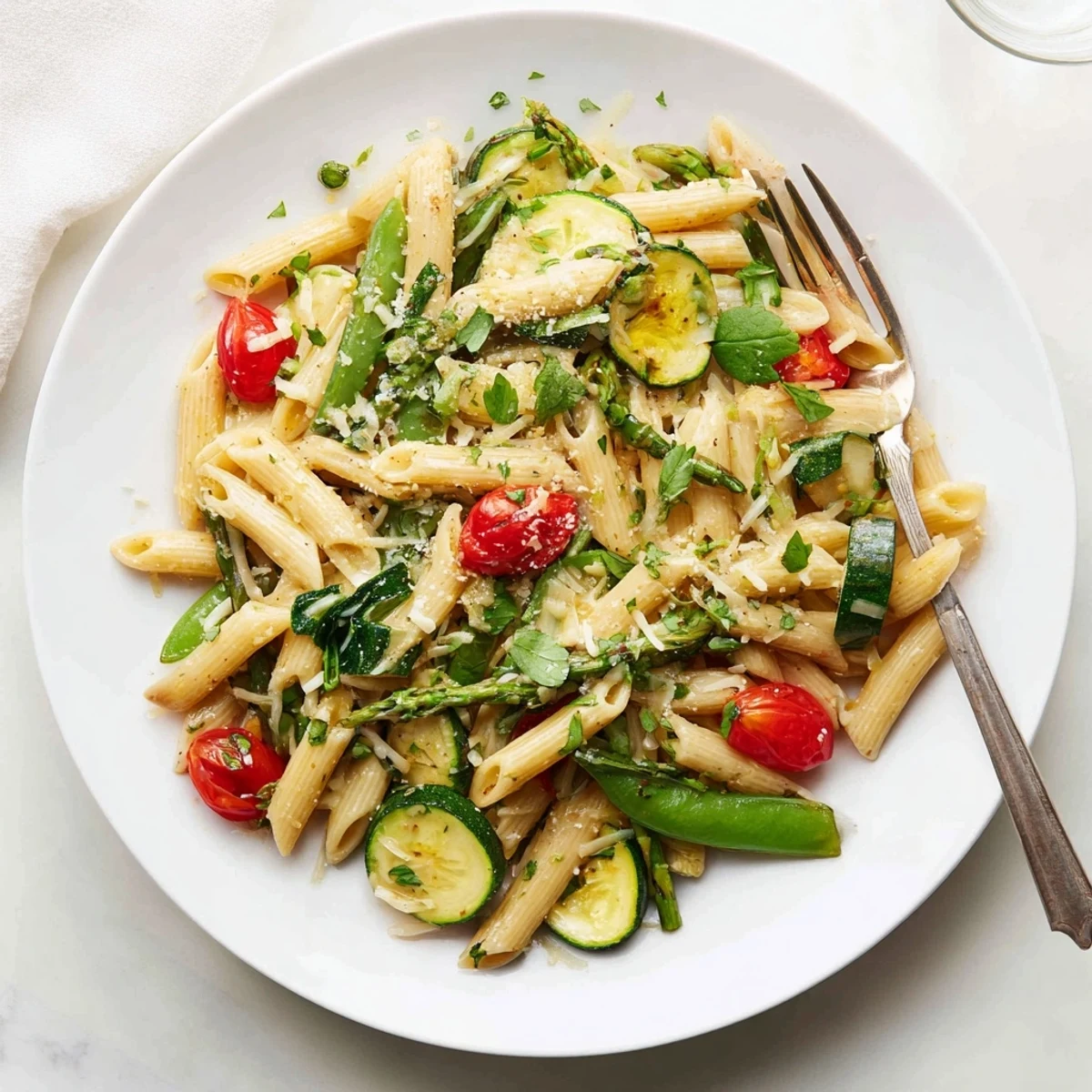 Pin
Pin My sister-in-law requested this for her birthday dinner, and I've never felt more proud serving something so simple. When food tastes this fresh and vibrant, people assume you labored over it.
Choosing the Best Spring Vegetables
I've learned that the success of this dish hinges on the quality of your produce. Visit a farmers market if you can, and don't be afraid to ask which vegetables were harvested that morning. The snap peas should snap when bent, asparagus should feel firm and not limp, and zucchini should be heavy for its size.
Broth Selection Matters
After testing several brands, I discovered that the broth you use becomes the sauce you eat. A rich, well-seasoned vegetable broth makes the difference between a good pasta and a great one. I keep a few cartons of my favorite brand in the pantry specifically for this recipe.
Perfecting the One-Pot Technique
The trick is trusting that the starch released by the pasta will naturally thicken your cooking liquid into a glossy sauce. Don't be tempted to add extra broth early on, and resist the urge to drain any liquid at the end. That starchy, vegetable-infused liquid is exactly what makes this dish so special.
- Use a pan wide enough for the pasta to lie mostly flat
- Keep the heat at a gentle simmer, never a rolling boil
- Let it rest off heat for 2 minutes before serving to let the sauce thicken further
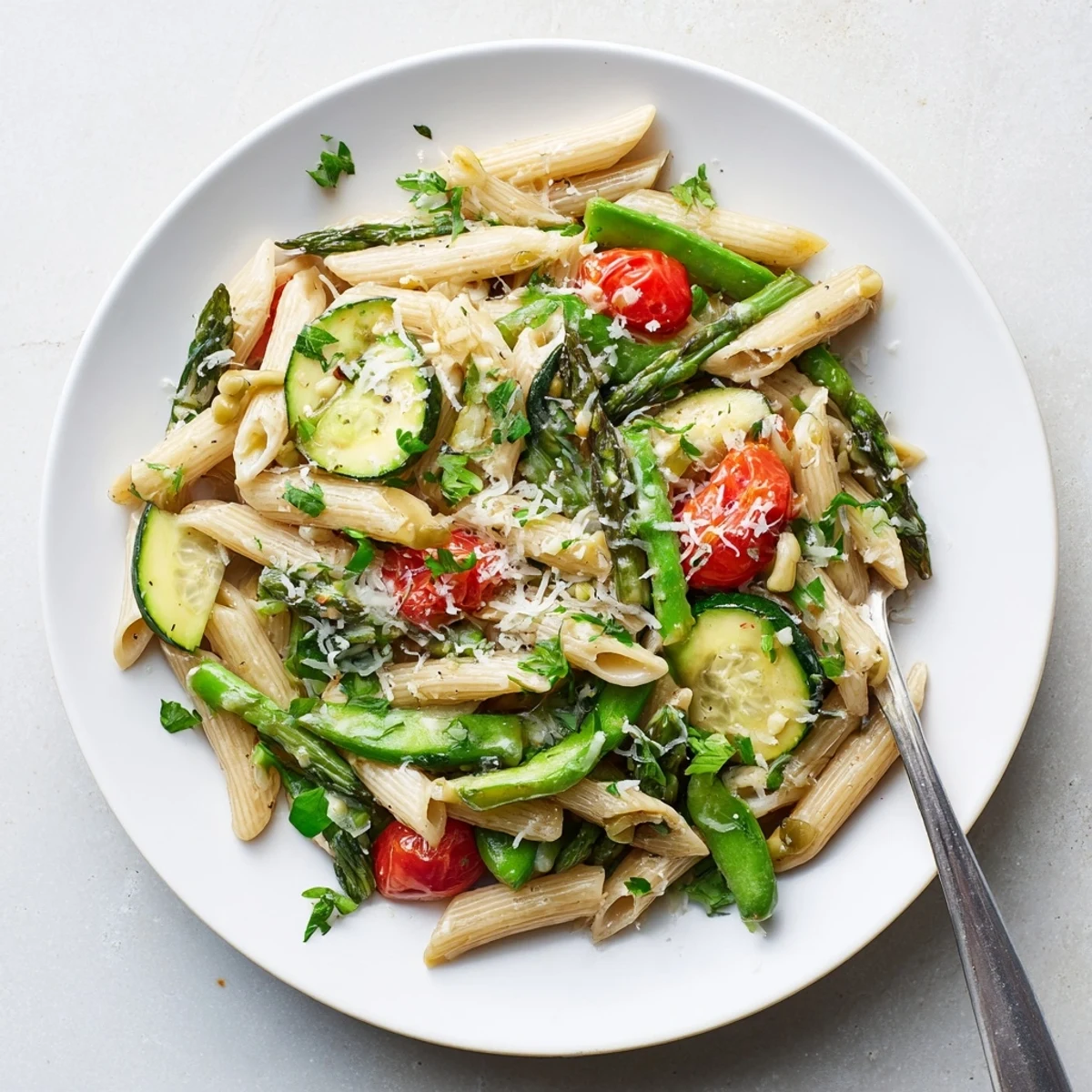 Pin
Pin This pasta has become my secret weapon for nights when I want something that feels special but requires zero fuss. Good food doesn't need to be complicated.
Recipe Questions & Answers
- → Can I use different pasta shapes?
-
Yes, short pasta shapes like fusilli, rotini, or rigatoni work well. They cook evenly and hold onto the light sauce created by the vegetable broth.
- → What other vegetables can I add?
-
Fresh peas, fava beans, green beans, or artichoke hearts make excellent additions. Use whatever spring vegetables are fresh and available in your area.
- → Can I make this vegan?
-
Simply omit the Parmesan cheese or substitute with nutritional yeast or a plant-based Parmesan alternative. The dish remains flavorful without dairy.
- → How do I store leftovers?
-
Store in an airtight container in the refrigerator for up to 3 days. Reheat with a splash of water or broth to refresh the sauce.
- → Can I add protein?
-
White beans, chickpeas, or grilled chicken pieces complement the flavors beautifully. Add them during the last few minutes of cooking to heat through.