
 Pin
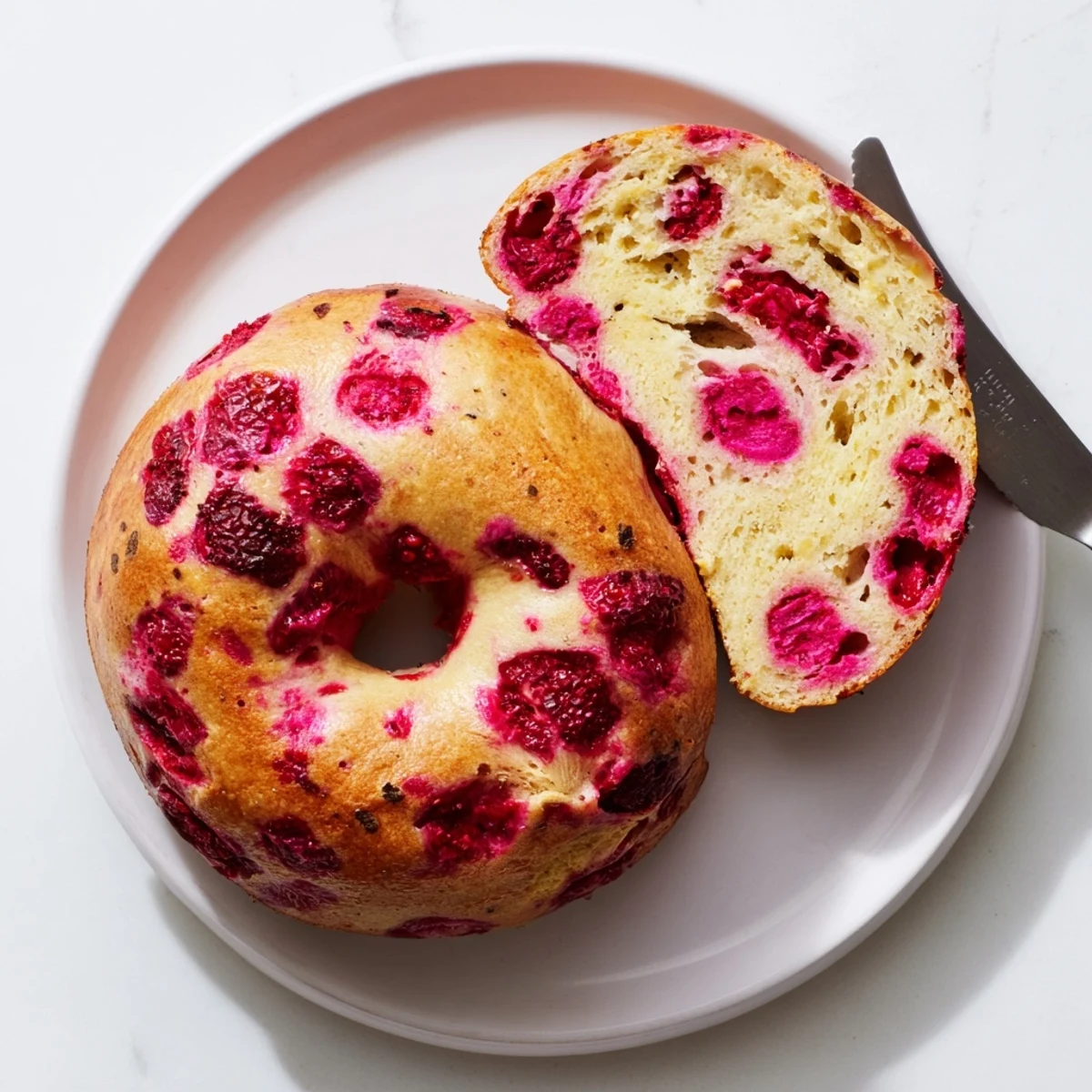
Pin These raspberry sourdough bagels combine the complex tang of overnight fermentation with bursts of juicy fresh fruit. The dough develops deep flavor through a 6-8 hour rise, creating chewy, dense bagels with a beautifully marbled interior. Each bagel gets briefly boiled in honey-sweetened water before baking, ensuring that characteristic shiny crust and perfect texture. The fresh raspberries fold in gently, staying whole for pockets of sweetness throughout every bite.
The morning I first attempted these, my kitchen smelled like summer even though it was February. I had this fed starter sitting on the counter from the night before, raspberries in the freezer, and this sudden urge to combine them into something warm and chewy. My roommate wandered in, bleary-eyed, wondering why on earth I was boiling bread at 7 AM, but one bite of the fresh batch and she understood completely.
I brought a dozen to a friend's brunch last spring, and honestly, I've never seen people move so fast for a carb. The raspberry streaks running through the crumb make them look like something from an artisanal bakery, and watching people's expressions when they realize those are actual fresh berries tucked inside has become one of my favorite kitchen moments.
Ingredients
- 100 g active sourdough starter: This needs to be fed and bubbly, preferably within 4-6 hours of using it, to give the bagels that characteristic tang and proper rise
- 400 g bread flour: The higher protein content here creates that signature chewy bagel texture you cant get with all-purpose flour
- 75 g whole wheat flour: Adds depth and a slightly nutty flavor that plays beautifully against the sweet raspberries
- 30 g sugar: Just enough to balance the sourdough tang without making these taste like dessert
- 8 g fine sea salt: Don't skip this or reduce it, salt is what makes all the flavors pop
- 260 ml lukewarm water: Should feel like bath temperature, about 95°F, to activate the starter properly
- 1 tbsp vegetable oil: Keeps the dough workable and adds subtle richness
- 100 g fresh raspberries: Frozen works too but don't thaw them first or they'll bleed too much into your dough
- 3 L water: You need this volume to properly boil the bagels without the temperature dropping too much
- 2 tbsp honey or barley malt syrup: This is what gives bagels that gorgeous shiny crust and deep color
- Demerara sugar or poppy seeds: Totally optional but that crunch against the soft berry bits is worth it
Instructions
- Wake up your starter:
- In a large bowl, mix the active sourdough starter, lukewarm water, and sugar until the sugar dissolves completely. The mixture should look milky and slightly thickened, with tiny bubbles already beginning to form on the surface.
- Build the dough base:
- Add both flours and the salt into the bowl, stirring with a wooden spoon or your hands until a shaggy, sticky dough forms. It will look messy and slightly dry in spots, but trust the process.
- Work the dough:
- Turn onto a lightly floured surface and knead for 8-10 minutes, pushing forward with the heel of your hand and folding back over itself. Drizzle in the vegetable oil during the last minute of kneading, working it until the dough feels smooth, elastic, and slightly tacky but not sticky.
- Fold in the berries:
- Gently flatten the dough into a rough rectangle, scatter the raspberries over the surface, and fold the dough over itself repeatedly until the berries are just incorporated. Try not to crush them, those whole pockets of berry are what makes these special, and don't worry if the dough looks a bit marbled with pink.
- Let it rise:
- Place the dough in a greased bowl, cover with a damp towel or plastic, and let it ferment at room temperature for 6-8 hours. The dough should double in size, feel puffy and alive, and when you poke it gently, the impression should slowly spring back.
- Portion the dough:
- Turn onto a lightly floured surface and divide into 8 equal pieces, using a bench scraper or knife. Weighing them (about 100g each) ensures even baking, but eye-balling works fine if you don't mind some variety.
- Shape the bagels:
- Form each piece into a smooth ball by tucking the edges underneath, then poke your thumb through the center to create a hole. Gently stretch and rotate the dough to widen that hole, remembering it will shrink somewhat during boiling and baking.
- Second rise:
- Arrange on a parchment-lined baking sheet, cover with a towel, and let proof for 1-2 hours until puffy. The overnight refrigerator option is fantastic here, developing both flavor and a slightly firmer texture that's easier to handle.
- Preheat your oven:
- Get your oven to 220°C (425°F) with plenty of time to fully heat, and position your rack in the center position for even browning.
- Prepare the bath:
- Bring 3 liters of water to a rolling boil in your widest pot, then stir in the honey (and baking soda if you're using it). The water should be at a vigorous boil before you add any bagels, or they'll get soggy instead of perfectly chewy.
- Boil for that perfect crust:
- Gently drop 2-3 bagels at a time into the boiling water, cooking for 45-60 seconds per side. They'll puff up slightly and float to the surface, which is exactly what you want to see.
- Add your toppings:
- Lift them out with a slotted spoon, let excess water drip off briefly, and return to the baking sheet. Sprinkle with Demerara sugar or poppy seeds while they're still damp so everything sticks.
- Bake until golden:
- Slide the tray into the hot oven and bake for 22-25 minutes, rotating halfway through, until deeply golden and they sound hollow when tapped on the bottom. Cool completely on a wire rack before slicing.
 Pin
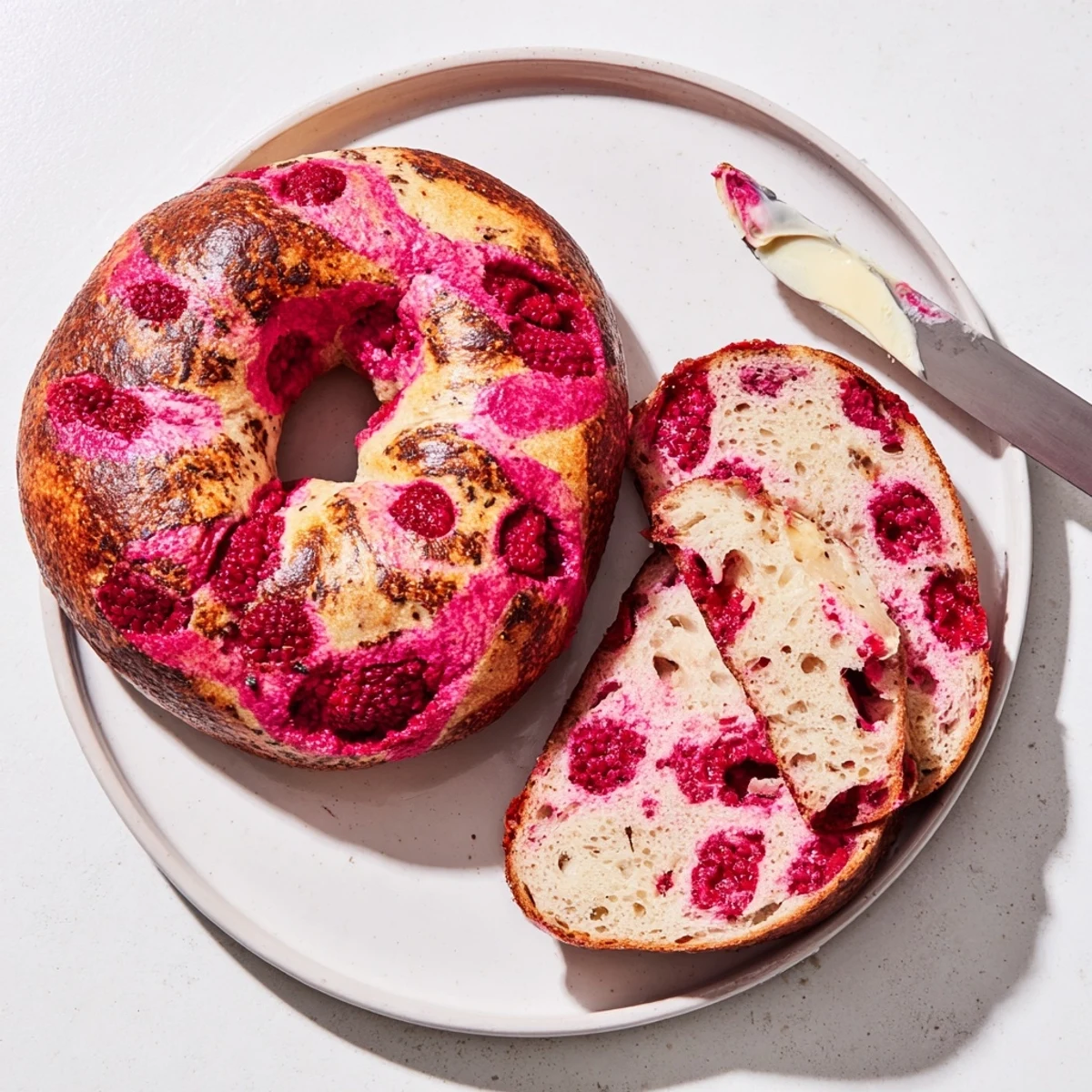
Pin These became my go-to contribution to every brunch and housewarming, mostly because they're impressive but also because the recipe is forgiving enough to adapt to whatever berries I have on hand. There's something deeply satisfying about pulling a tray of these from the oven, seeing those jammy raspberry pockets peeking through the golden crust.
Timing Your Fermentation
I've learned that starting these the night before is the secret to stress-free mornings. The overnight rest in the refrigerator develops so much flavor and makes the dough significantly easier to handle, especially with those berries folded in. Plus, waking up to shaped bagels ready to boil feels like having a personal baker.
Getting The Boil Right
The first few times I made these, I was terrified of dropping them in boiling water, but that step is what makes them bagels instead of just round bread. Keep the water at a rolling boil, work in batches so the temperature doesn't drop, and resist the urge to crowd the pot. Those 60 seconds per side transform the texture completely.
Freezing For Later
These freeze beautifully, which is why I always double the batch. Slice them before freezing and toast straight from frozen, about 2 minutes on a medium setting.
- Wrap individually in plastic wrap, then place all bagels in a freezer bag for up to one month
- The raspberries might bleed slightly during freezing, but the flavor remains incredible
- Thaw on the counter for 30 minutes if you prefer not to toast them
 Pin
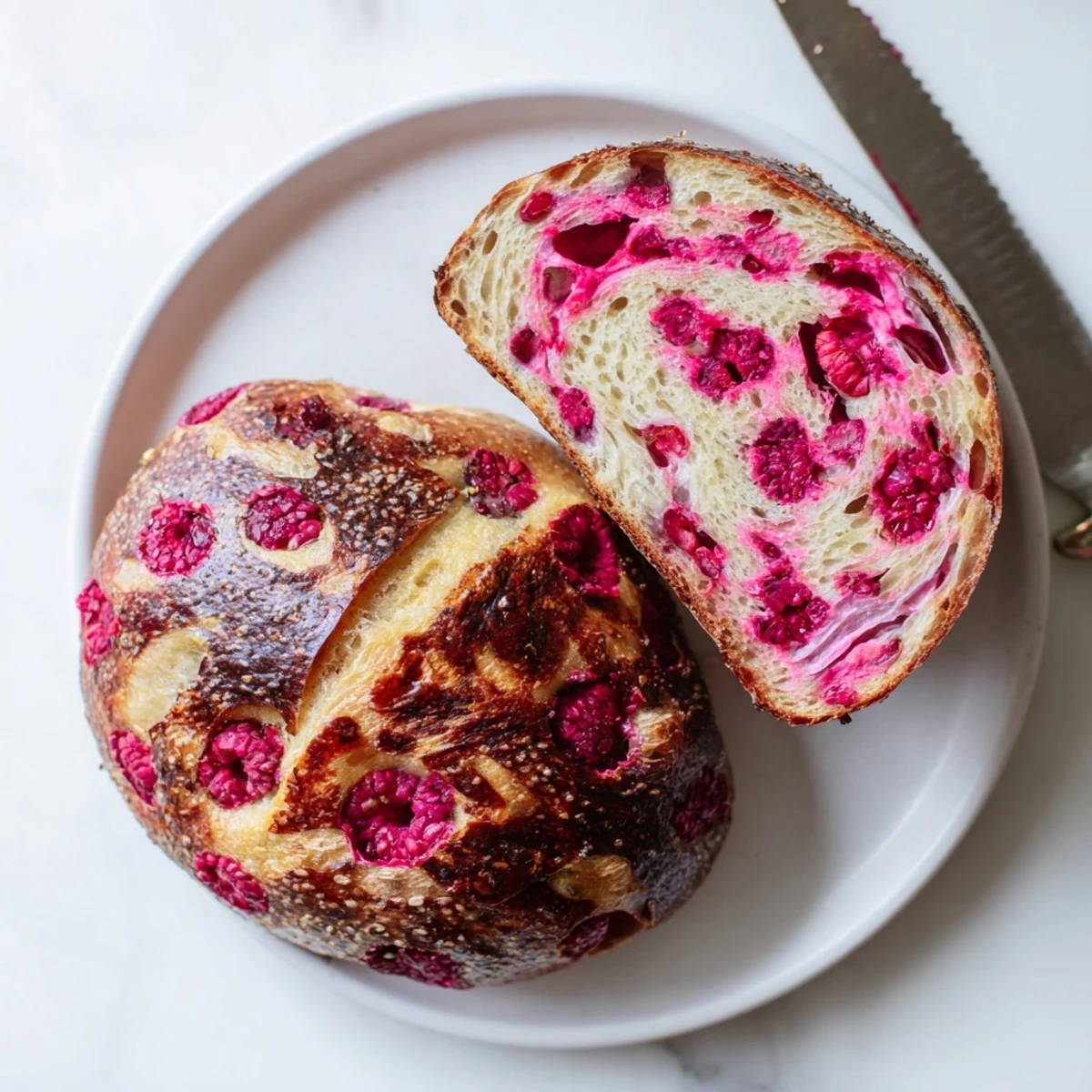
Pin There's nothing quite like breaking open a warm raspberry sourdough bagel, seeing that perfect chewy crumb and those streaks of sweet-tart fruit. Simple, satisfying, and worth every minute of the process.
Recipe Questions & Answers
- → Can I use frozen raspberries instead of fresh?
-
Yes, frozen raspberries work perfectly in this dough. Use them directly from the freezer without thawing to prevent excess moisture that could affect the dough consistency.
- → How long do these bagels stay fresh?
-
These bagels remain fresh for 2-3 days at room temperature when stored in an airtight container. For longer storage, freeze them for up to 1 month and thaw as needed.
- → What makes sourdough bagels different from regular ones?
-
Sourdough bagels use natural fermentation instead of commercial yeast, creating deeper flavor, better digestibility, and a characteristic tang. The longer fermentation also develops a chewier texture.
- → Why boil bagels before baking?
-
Boiling gelatinizes the surface starch, creating the signature shiny, chewy crust. The honey or malt syrup adds subtle sweetness and helps browning during baking.
- → Can I skip the overnight fermentation?
-
While you can reduce fermentation time, the overnight rest develops essential flavor and texture. The long fermentation creates the characteristic sourdough tang and improves the bagel structure.