
 Pin
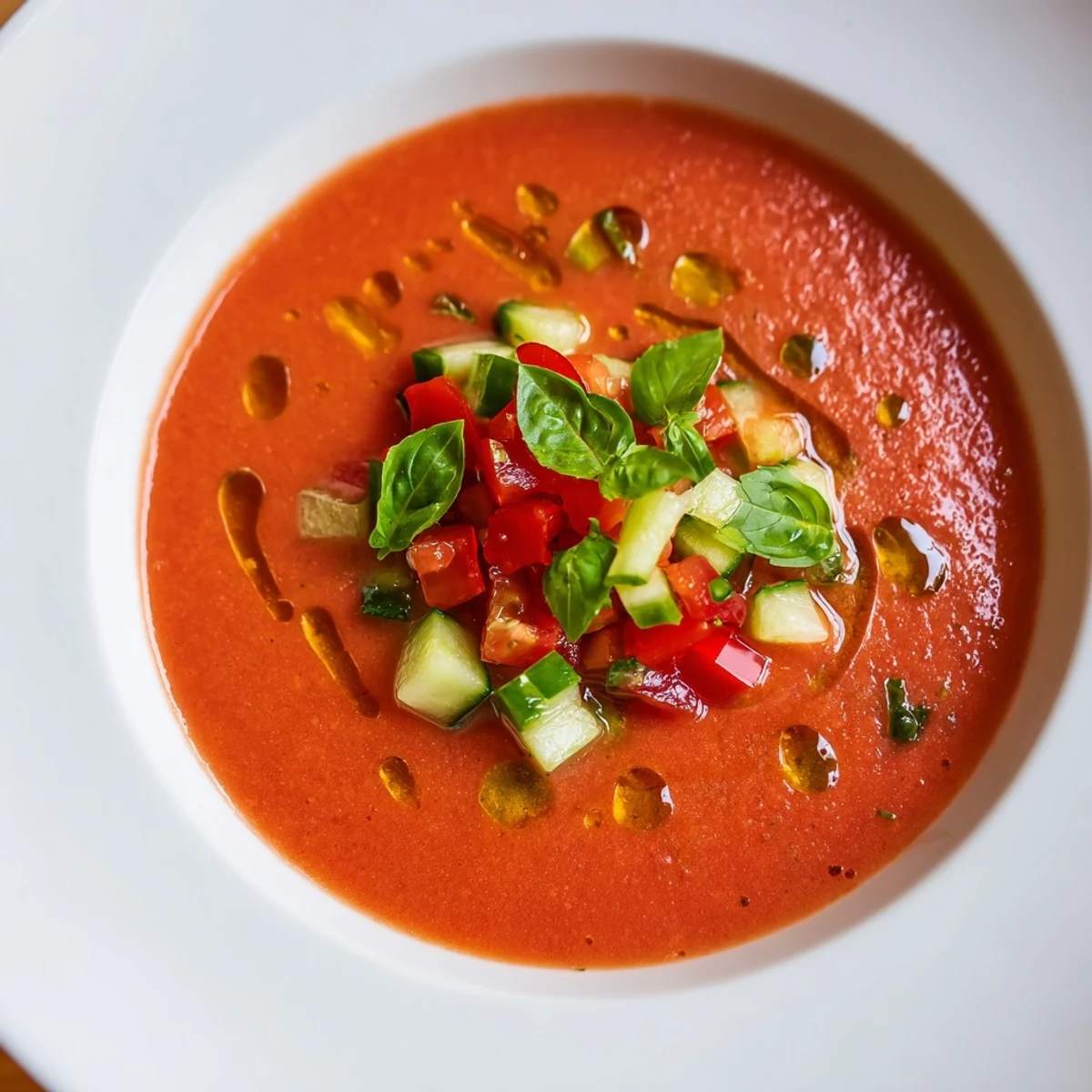
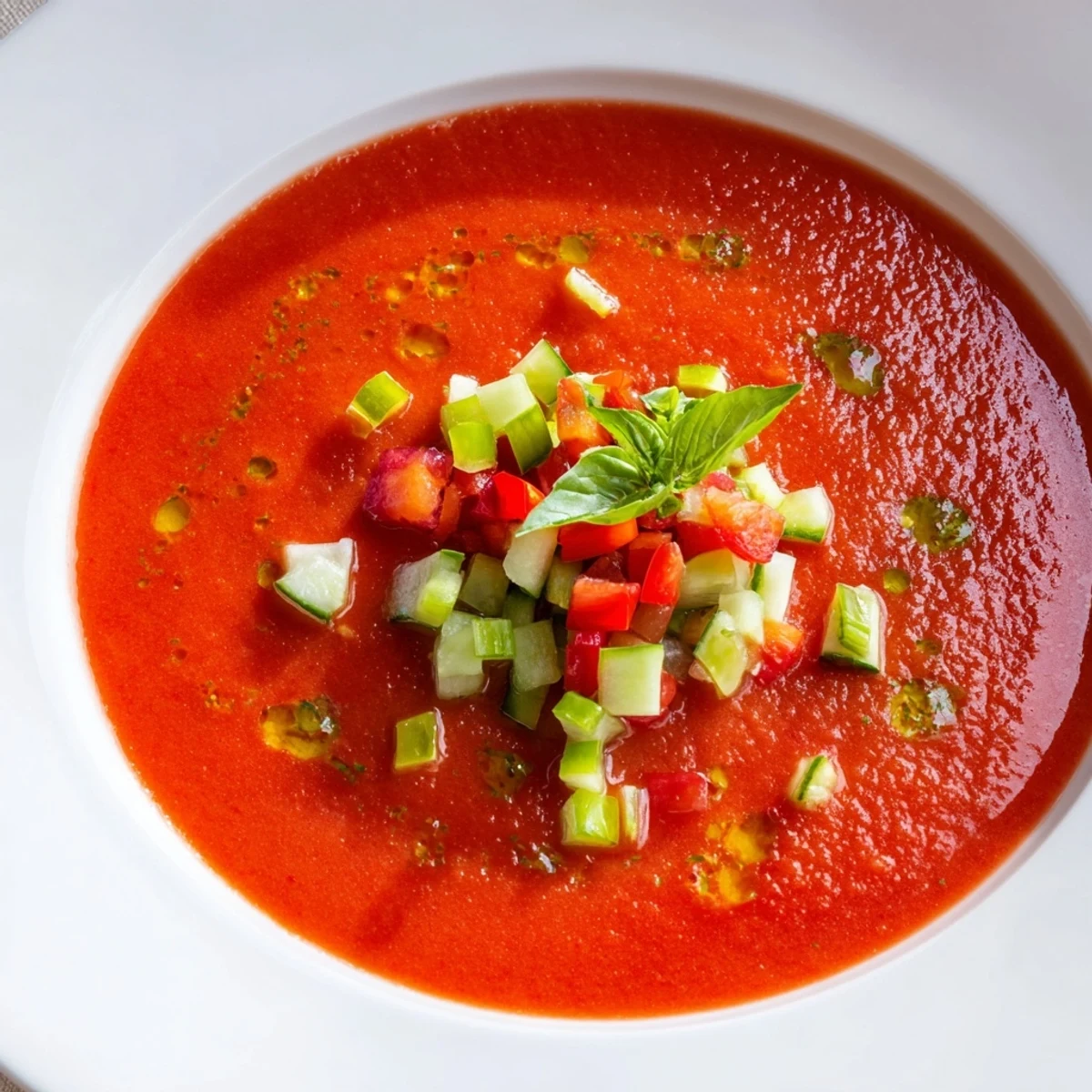
Pin This vibrant chilled soup from Spain delivers instant refreshment on sweltering summer days. The base combines ripe tomatoes, crisp cucumber, and colorful bell peppers blended with premium olive oil and tangy sherry vinegar. After just 20 minutes of prep, let the mixture chill for at least two hours to allow the fresh vegetables to meld into a silky, harmonious bowl. Garnish with diced vegetables and herbs for added texture and visual appeal. The result is a light, nourishing dish that doubles as an elegant starter or casual lunch.
The first time I had gazpacho was in a tiny tapas bar in Seville where the air conditioning had broken and everyone was fanning themselves with menus. The waiter brought this impossibly red, cold soup and I thought hed made a mistake serving soup in July heat, but one spoonful changed everything about how I thought summer food should taste and feel.
Last summer I made a triple batch for a rooftop dinner party, and my friend Sarah who swore she hated cold soup went back for thirds. Theres something about the combination of ripe tomatoes and that hint of sherry vinegar that makes people forget theyre eating vegetables disguised as luxury.
Ingredients
- 6 ripe tomatoes: Look for tomatoes that give slightly when pressed, they should feel heavy and smell faintly of summer vines
- 1 medium cucumber: English or Persian cucumbers work best since they have thinner skin and fewer seeds
- 1 small red bell pepper: Adds sweetness and that gorgeous red color intensity
- 1 small green bell pepper: Provides a slight bitter balance to the sweet tomatoes
- 1/2 small red onion: Soak it in ice water for 10 minutes if you want to mellow the sharpness
- 2 cloves garlic: Fresh garlic is essential here, nothing jarred or powdered will give you that clean punch
- 3 tablespoons extra virgin olive oil: Use the good stuff since youre not cooking it, the flavor really comes through
- 2 tablespoons sherry vinegar: This is what makes it taste authentically Spanish, but red wine vinegar works in a pinch
- 2 cups tomato juice: Unsalted is best so you can control the seasoning yourself
- 2 slices stale white bread: Optional but adds velvety body, gluten free bread works too if needed
- 1 teaspoon salt: Start with this and add more, the cold will mute the saltiness slightly
- 1/4 teaspoon freshly ground black pepper: Grind it right before adding for maximum impact
- Pinch of cumin: Just a whisper adds depth without making it taste like chili
Instructions
- Prep your vegetables:
- Rough chop everything into similar sized pieces so they blend evenly, no need to be precise since this is getting puréed anyway
- Build the base:
- Load all your chopped vegetables into the blender, adding the bread now if youre using it for that extra creamy texture
- Add the liquids:
- Pour in the olive oil, vinegar, and tomato juice along with your seasonings, the liquid helps everything move smoothly
- Blend until silky:
- Purée on high until completely smooth, adding more tomato juice or water if its thicker than you like
- Taste and adjust:
- This is crucial, blend again, taste again, remember cold needs more seasoning than hot food
- Let it rest:
- Chill for at least 2 hours or overnight, this marriage of flavors is non negotiable for restaurant quality results
- Finish with flair:
- Stir well before serving and top with those tiny diced vegetables, herbs, and a final drizzle of your best olive oil
 Pin
Pin My grandmother kept a pitcher of gazpacho in her fridge all summer long, and I remember dipping into it at midnight after coming home from parties, standing in her kitchen in the dark. It became the taste of coming home, of summer stretching out forever, of simple things done with care and attention.
The Texture Question
Ive made gazpacho completely smooth and I ve made it with a rustic chunky texture, and honestly both have their place. Smooth feels more elegant and restaurant like while chunky feels more honest and homemade, like you can really see and taste every vegetable that went into it.
Make It Your Own
Sometimes I add a handful of fresh basil right before blending for an Italian spin, or ajalapeño if I want some heat. The classic version is perfect as is but gazpacho is incredibly forgiving and welcomes creativity.
Serving Suggestions
The traditional way to serve gazpacho is in small glasses as a starter, but I love it for lunch with a hunk of crusty bread for dipping. Its also surprisingly good as a sauce for grilled fish or as a base for a summer cocktail with vodka and extra vegetables.
- Chill your serving bowls in the freezer for 20 minutes before serving
- Prepare garnishes ahead and keep them separate so they stay crisp
- Make extra because it will disappear faster than you expect
 Pin
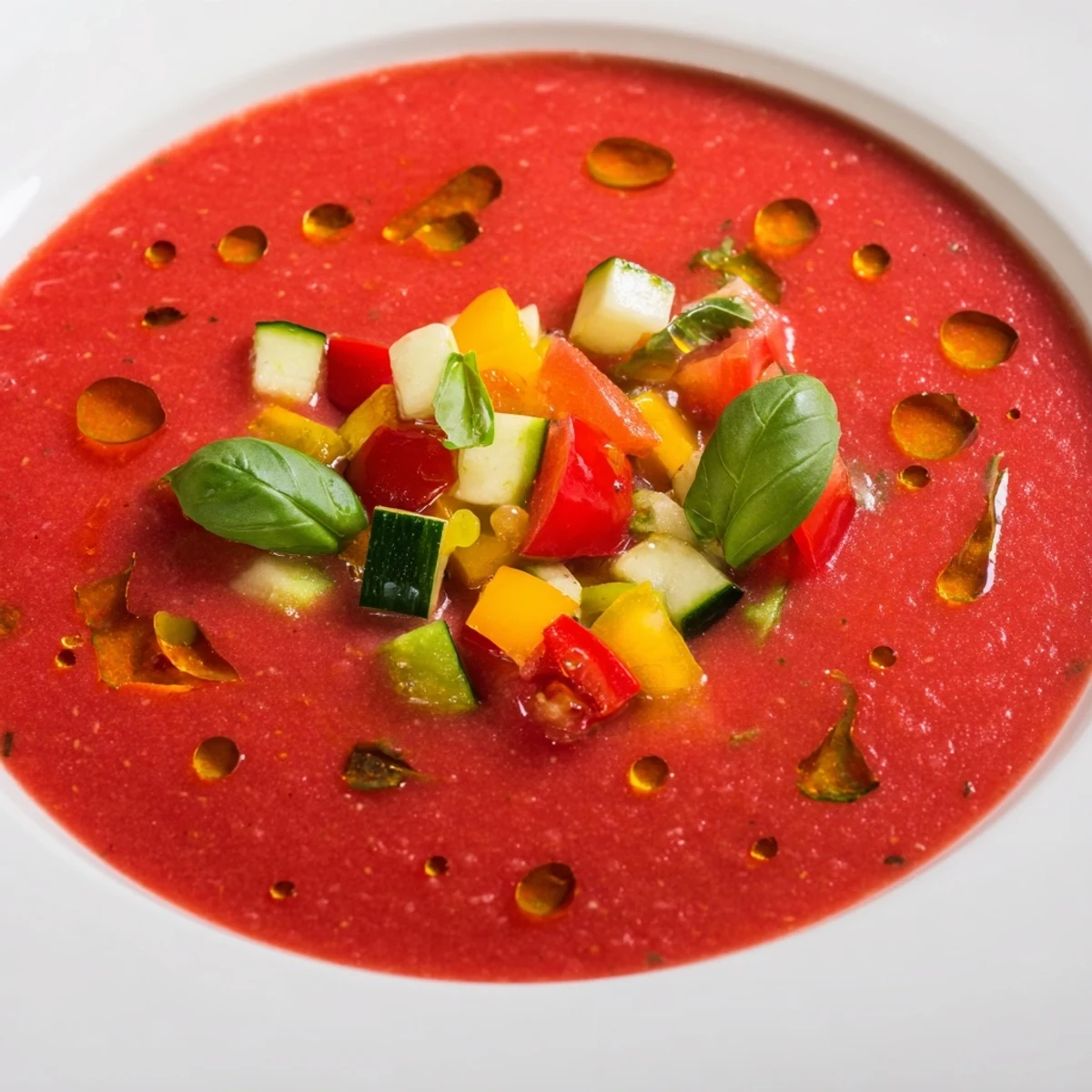
Pin Theres nothing quite like sitting on a porch with a bowl of cold gazpacho while the evening cools down, knowing summer has been captured in a bowl.
Recipe Questions & Answers
- → How long should gazpacho chill before serving?
-
Refrigerate for at least 2 hours to allow flavors to develop fully. The soup can be made up to 2 days ahead and actually tastes better after resting overnight.
- → Can I make gazpacho without a blender?
-
While a blender creates the smoothest texture, you can finely grate vegetables and press through a sieve for similar results. The texture will be slightly more rustic but equally delicious.
- → Is the bread necessary for authentic gazpacho?
-
Traditional Spanish gazpacho often includes bread for body and creaminess. It's optional—the soup works well without it for a lighter version or those avoiding gluten.
- → What vegetables work best in gazpacho?
-
Ripe tomatoes form the foundation, complemented by cucumber and both red and green bell peppers. The combination creates the classic balance of sweetness and acidity.
- → How do I adjust the consistency?
-
Add more tomato juice or cold water for a thinner, more drinkable consistency. For a thicker version, include the optional bread or reduce added liquid.
- → What's the difference between sherry and red wine vinegar?
-
Sherry vinegar offers a nuanced, slightly sweet flavor that's traditional in Spanish cooking. Red wine vinegar provides a sharper acidity and works perfectly as a substitute.