
 Pin
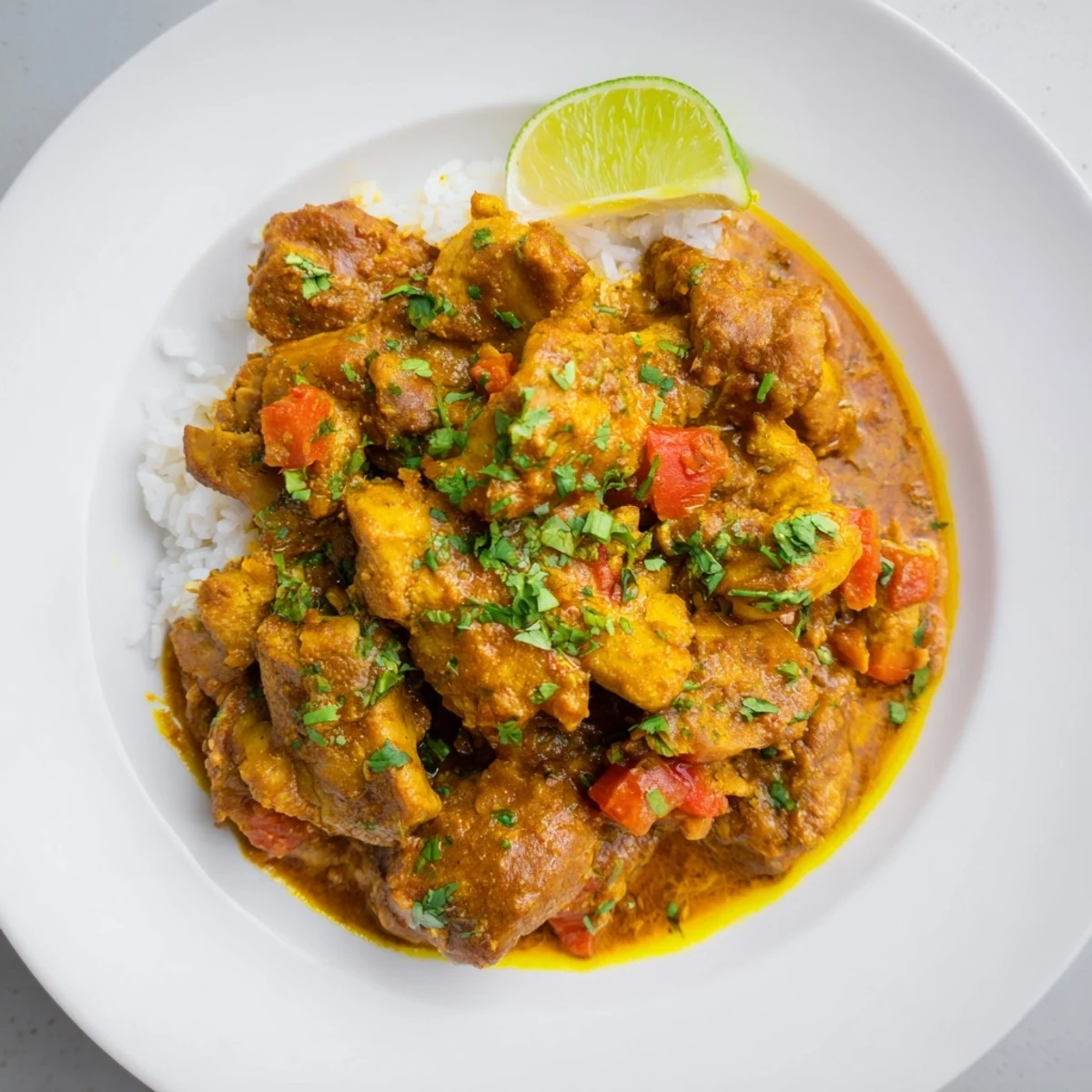
Pin Marinate boneless chicken thighs in yogurt and turmeric. Sauté onions, garlic, and ginger, then toast aromatic spices like cumin and coriander. Brown the meat, add tomatoes and coconut milk, and simmer until tender. Serve hot over fluffy basmati rice with fresh cilantro.
The first time I made this curry, my kitchen filled with such a thick cloud of spiced steam that I could barely see across the stove. My neighbor knocked to ask if everything was okay, thinking something was burning—instead, she walked into the most incredible aroma and stayed for dinner. That's when I realized this dish has a way of turning an ordinary weeknight into something worth sharing.
I made this for my sister's book club once, and halfway through cooking, I panicked that I'd made it too spicy. But watching everyone go back for seconds, plates scraped clean, telling me they wanted the recipe—that's when I stopped second-guessing myself. Confidence in the kitchen comes from dishes that never disappoint.
Ingredients
- Chicken thighs: Use thighs instead of breast meat; they stay impossibly moist through the long simmer and actually taste like something.
- Greek yogurt: The tanginess cuts through heat beautifully and tenderizes the chicken in a way regular marinade can't match.
- Curry powder: Get a good quality one if you can; it's the backbone of everything that comes next.
- Coconut milk: Full-fat is non-negotiable for richness, but light works if that's what you have on hand.
- Ginger and garlic: Fresh is worth it—you'll taste the difference in every spoonful, especially in that first minute when they hit the hot oil.
- Basmati rice: It's worth seeking out; regular rice turns mushy and flavorless alongside something this bold.
Instructions
- Marinate the chicken:
- Toss chicken pieces with yogurt, lemon juice, salt, and turmeric in a bowl, making sure every piece gets a good coating. Cover and refrigerate for at least 30 minutes—or up to 2 hours if you're thinking ahead.
- Start the rice:
- Rinse basmati rice under cold water until the water runs clear; this prevents gumminess. Bring salted water to a boil, add rice, cover, drop the heat to low, and let it steam for 15 minutes without peeking.
- Build the aromatics:
- Heat oil in a large skillet over medium heat and cook chopped onions for 5 to 7 minutes until they turn golden and soft. This is where the foundation of flavor lives—don't rush it.
- Bloom the spices:
- Once garlic and ginger go in and smell incredible after a minute, add curry powder, cumin, coriander, cayenne, and black pepper. Toast everything together for another minute so the spices wake up and release their essence.
- Sear the chicken:
- Add marinated chicken to the pan and cook for 5 to 6 minutes, stirring now and then, until the edges start to brown. This isn't about cooking it through; it's about building a little color and flavor.
- Build the sauce:
- Stir in diced tomatoes and cook for 3 minutes, then pour in coconut milk and chicken broth. Bring everything to a simmer, cover, and let it bubble gently for 15 to 20 minutes, stirring occasionally, until the chicken is cooked through and the sauce clings to it.
- Finish and serve:
- Taste and adjust salt as needed. Fluff your rice with a fork, spoon curry over the top, and scatter cilantro and lime wedges across the plate.
 Pin
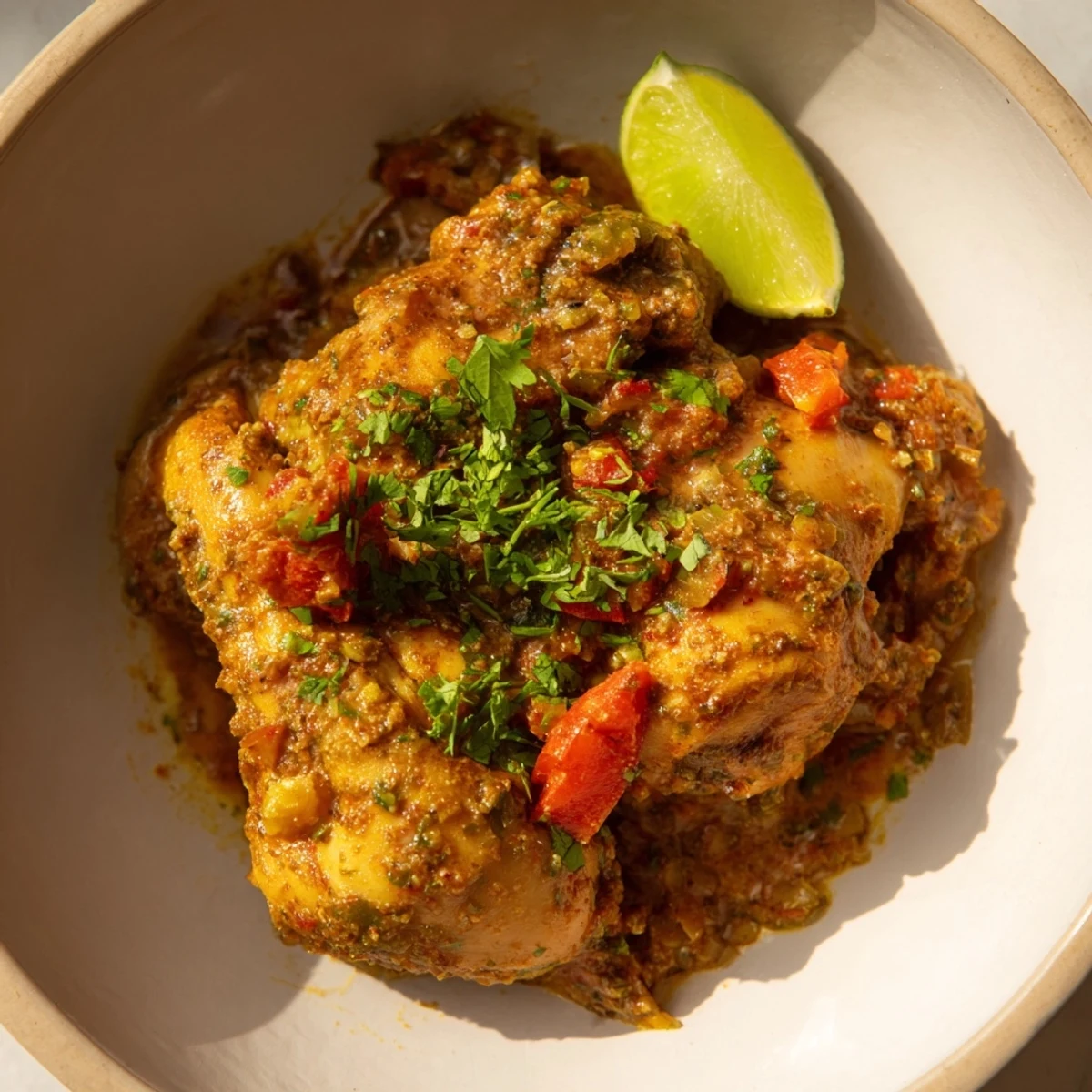
Pin There's a moment, about 10 minutes into simmering, when the kitchen smells so good that you start to believe you might actually be a good cook. That's the magic of this dish—it builds confidence with every stir.
Adjusting the Heat
Cayenne pepper is your volume knob here, not a fixed ingredient. Start with a half teaspoon if you're serving people who shy away from spice, then taste and add more if the table wants it hotter. I've learned that serving people slightly under-spiced is better than having them suffer through a dish that's too intense.
Choosing Your Chicken
Thighs are my choice because they forgive you—they stay succulent even if you accidentally overcook them by a few minutes. Chicken breast works if that's what you prefer, but watch it carefully; it'll be done sooner and can dry out if left in the sauce too long. Either way, cutting the chicken into even pieces means everything cooks at the same pace.
Rice and Serving
Basmati rice is the ideal partner here because it stays separate and fluffy, letting each grain pick up the sauce rather than turning into a mushy bed. Rinsing it properly makes all the difference. Some people serve this alongside naan bread or a cool cucumber raita, which gives you something creamy and mild to balance the heat.
- Let rice sit covered for 5 minutes after cooking so the grains finish steaming gently and separate easily.
- Fresh cilantro and a squeeze of lime on top bring brightness that cuts through the richness beautifully.
- Leftovers actually improve the next day as flavors settle together, so don't hesitate to make extra.
 Pin
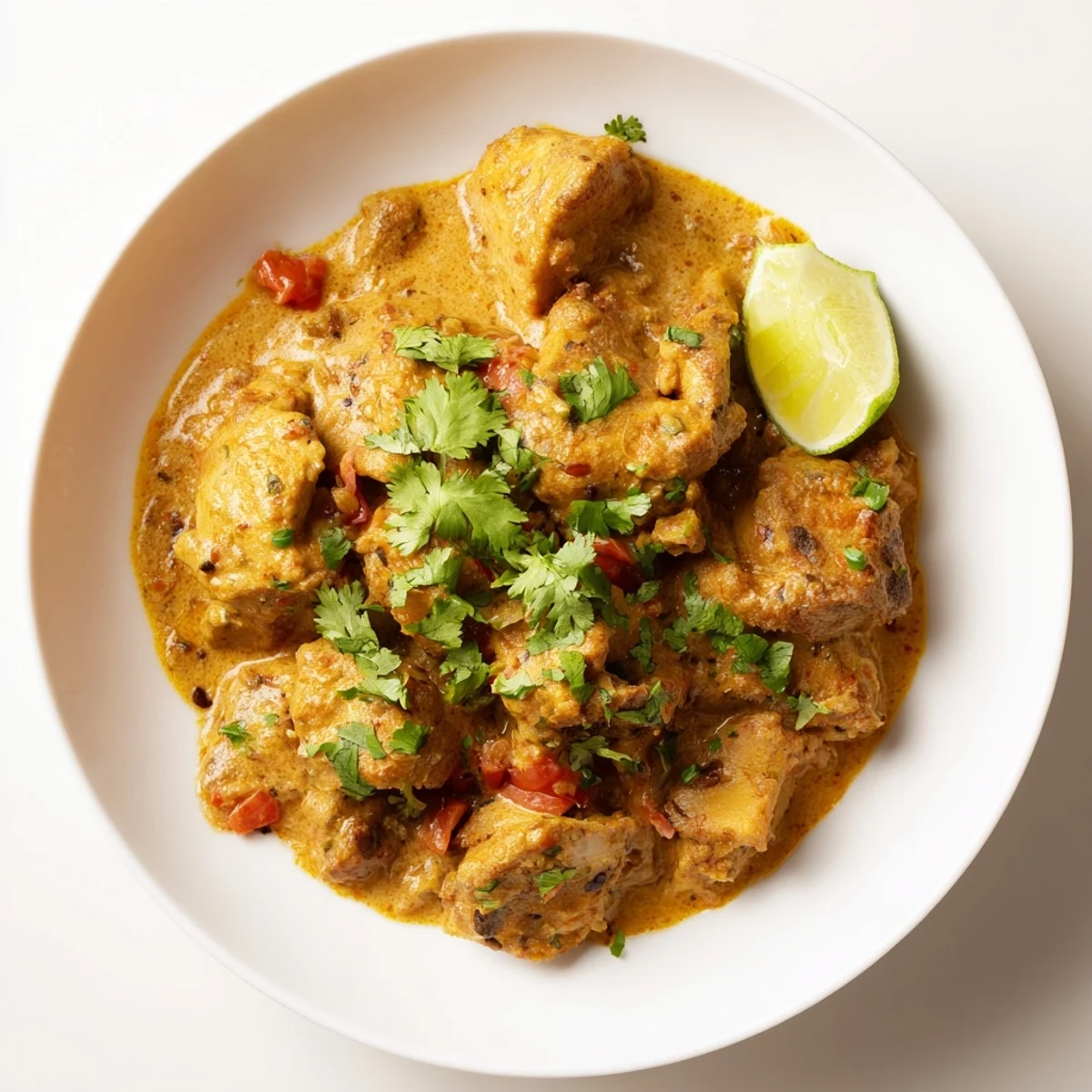
Pin This is the kind of dish that tastes like effort but requires only honest cooking and patience. Once you've made it once, you'll make it again and again.
Recipe Questions & Answers
- → Can I use chicken breast instead of thighs?
-
Yes, chicken breast can be substituted, though thighs offer more moisture and flavor during the simmering process.
- → How can I adjust the spice level?
-
Control the heat by reducing or increasing the amount of cayenne pepper added to the sauce.
- → Is this dish gluten-free?
-
Yes, this dish is naturally gluten-free as long as your spices and broth do not contain hidden gluten additives.
- → What type of rice works best?
-
Basmati rice is recommended for its fluffy texture and aromatic fragrance, which complements the curry perfectly.
- → How do I store leftovers?
-
Store the chicken curry and rice separately in airtight containers in the refrigerator for up to three days.