
 Pin
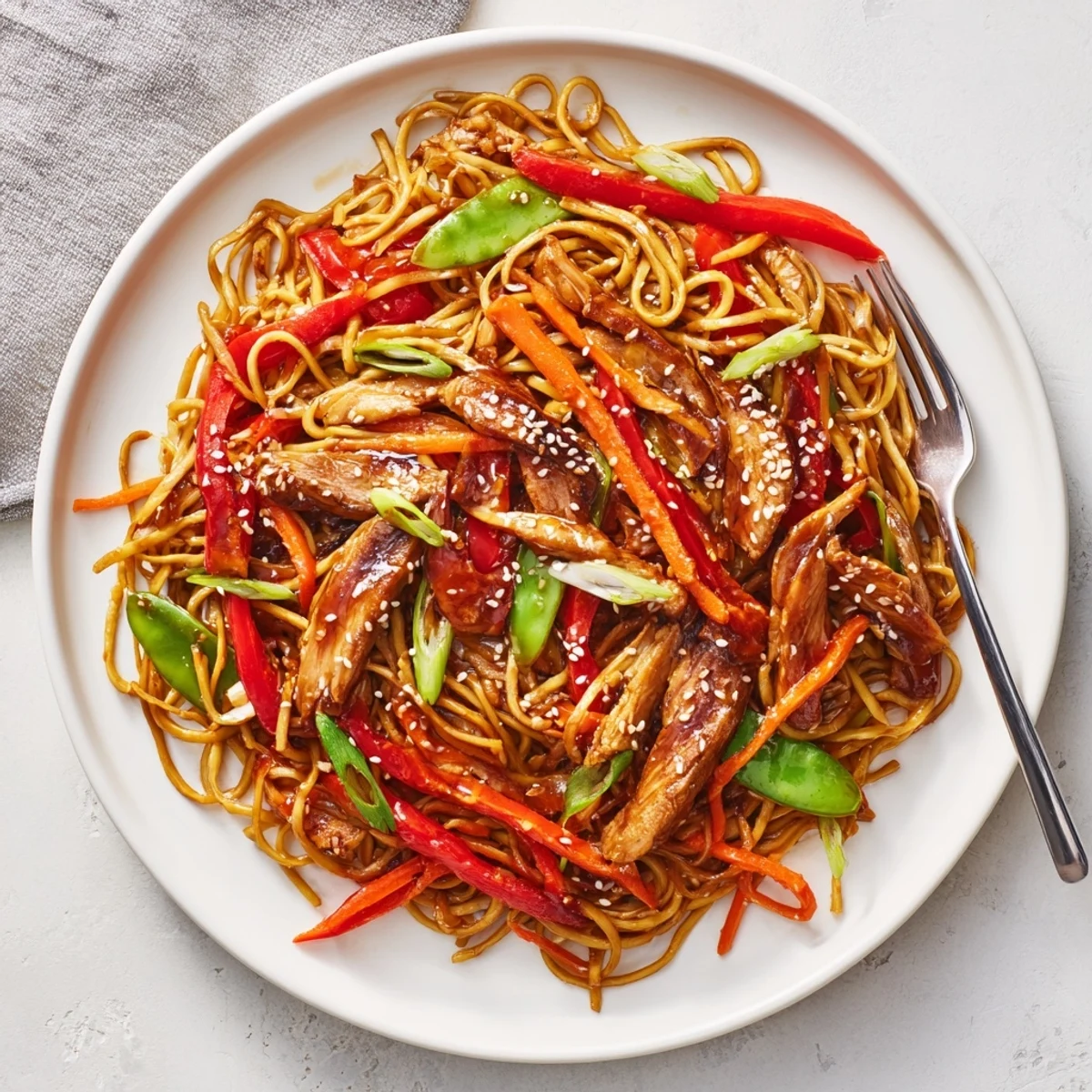
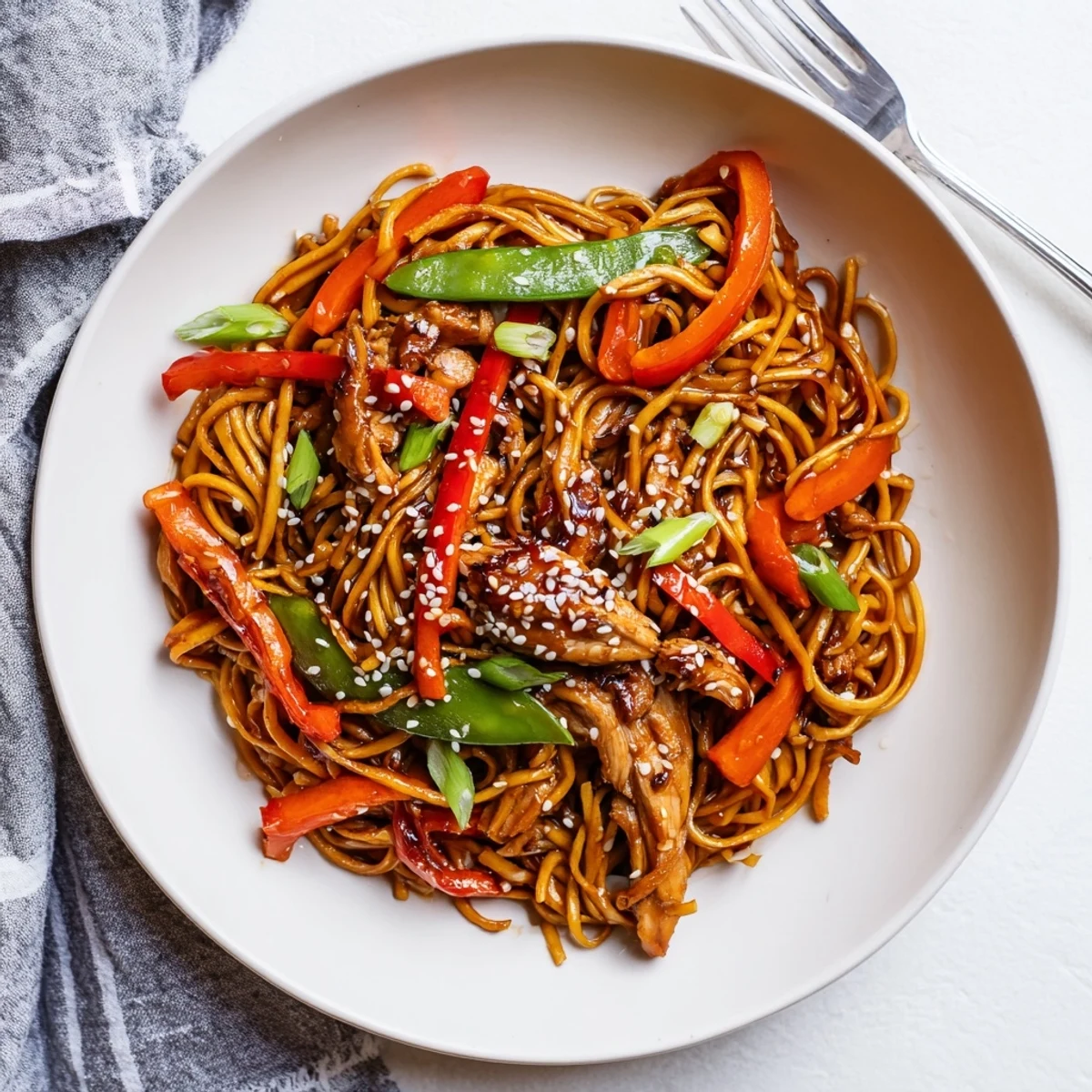
Pin This flavorful Asian-inspired dish combines tender chicken, chewy noodles, and crisp vegetables in a glossy, sweet-salty garlic coating. Ready in 35 minutes, it delivers perfect balance with honey and brown sugar sweetness, savory soy depth, and aromatic garlic-ginger heat. The sauce clings beautifully to every strand while vegetables maintain their crisp-tender bite.
The first time I made this dish, my kitchen filled with this incredible garlic aroma that had my roommates wandering in from their bedrooms, plates already in hand. I'd been experimenting with weeknight stir-fries for months, trying to find something that felt like takeout but used ingredients I actually kept in my pantry. When that sauce hit the hot pan and turned glossy and sticky, I knew I'd stumbled onto something special. Now it's the recipe I turn to when I want dinner to feel like an occasion without actually needing any special occasion at all.
Last winter, when my sister was recovering from surgery and couldn't cook, I brought her a container of these noodles. She texted me an hour later saying it was the first thing she'd actually wanted to eat in days, and could I please bring more tomorrow? I've since learned to double the batch because my family has developed this habit of showing up with forks exactly when I start garnishing with scallions. There's something about the combination of tender chicken, crisp vegetables, and that sweet-salty sauce that just makes people feel taken care of.
Ingredients
- Chicken thighs or breasts: Thighs stay juicier through high-heat cooking, but breasts work if that's what you have
- Cornstarch: This creates that velvety texture on the chicken and helps the sauce cling to everything
- Soy sauce: Use low-sodium regular soy sauce for the base, dark soy for that gorgeous rich color
- Honey and brown sugar: The honey gives a floral sweetness while brown sugar adds caramel depth
- Rice vinegar: Cuts through the richness and brightens the whole dish
- Oyster sauce: The secret ingredient for that restaurant-quality umami depth
- Sesame oil: A little goes a long way, so don't be tempted to add more
- Garlic and ginger: Fresh is absolutely worth it here, pre-minced stuff doesn't have the same punch
- Egg noodles or rice noodles: Egg noodles have more chew, rice noodles are lighter, both work beautifully
- Assorted vegetables: Use whatever looks fresh at the market, the colors make the dish sing
Instructions
- Prep your chicken like a pro:
- Toss those thin slices with cornstarch and a splash of soy sauce until each piece is lightly coated. Let it sit while you prep everything else, this is the secret to tender chicken that doesn't dry out.
- Get your noodles ready:
- Cook them according to the package, then rinse with cold water to stop the cooking. This prevents them from turning into mush when you toss them in the sauce later.
- Sear the chicken:
- Heat your oil until it's shimmering, then add the chicken in a single layer. Let it develop that golden crust before flipping, about 4 minutes total, then set it aside on a plate.
- Crisp up the vegetables:
- Keep the heat high and add your vegetables to the same pan. You want them tender-crisp, still with some bite, about 2 to 3 minutes of constant tossing.
- Wake up the aromatics:
- Lower the heat and add your garlic, ginger, and chili flakes. Stir constantly for about 30 seconds, watching closely because garlic turns bitter quickly once it starts browning.
- Build the sauce:
- Pour in all your sauce ingredients and let them bubble together for about 30 seconds. The sauce should thicken slightly and smell absolutely incredible.
- Bring it all together:
- Add the chicken back in along with your noodles, tossing everything together for about 2 minutes. Keep moving it around until every noodle is coated and glossy.
- Finish with flair:
- Top with scallions and sesame seeds right before serving. That pop of green makes it look like you put way more effort into this than you actually did.
 Pin
Pin My dad, who's notoriously suspicious of any dish that combines too many flavors, took one skeptical bite and immediately asked for the recipe. He's since texted me three different times asking exactly which brand of oyster sauce I use, as if that's the only variable between success and failure. There's something deeply satisfying about watching someone discover that ingredients they thought they didn't like can come together into something they can't stop eating.
Making It Your Own
I've learned that this recipe is incredibly forgiving, which is probably why it's become my weeknight safety net. Sometimes I use whatever vegetables are languishing in my crisper drawer, other times I swap the chicken for shrimp or cubes of tofu when I'm cooking for my vegetarian friend. The sauce stays constant while everything else shifts around it, which is the mark of a truly flexible recipe.
The Vegetable Strategy
Early on, I made the mistake of adding soft vegetables like mushrooms at the same time as the carrots, ending up with mushy mushrooms and crunchy carrots. Now I think about cooking times when I'm prepping, adding harder vegetables first and saving delicate ones for the last minute. It seems obvious in retrospect, but that small adjustment made the difference between a decent stir-fry and one that actually feels balanced and thoughtful.
Getting That Restaurant Gloss
The first few times I made this, I couldn't figure out why my sauce never looked quite as glossy as what I got at restaurants. Then I learned that the cornstarch coating on the chicken, combined with letting everything toss together in the hot sauce for those final minutes, creates that restaurant-style cling. Now I don't rush that final step, letting the noodles drink in the sauce while everything gets properly acquainted.
- Toast your sesame seeds in a dry pan for a minute before garnishing, it makes a huge difference
- If your sauce gets too thick, add a splash of water or pasta water to loosen it back up
- Set the table before you start cooking, this dish is best eaten immediately
 Pin
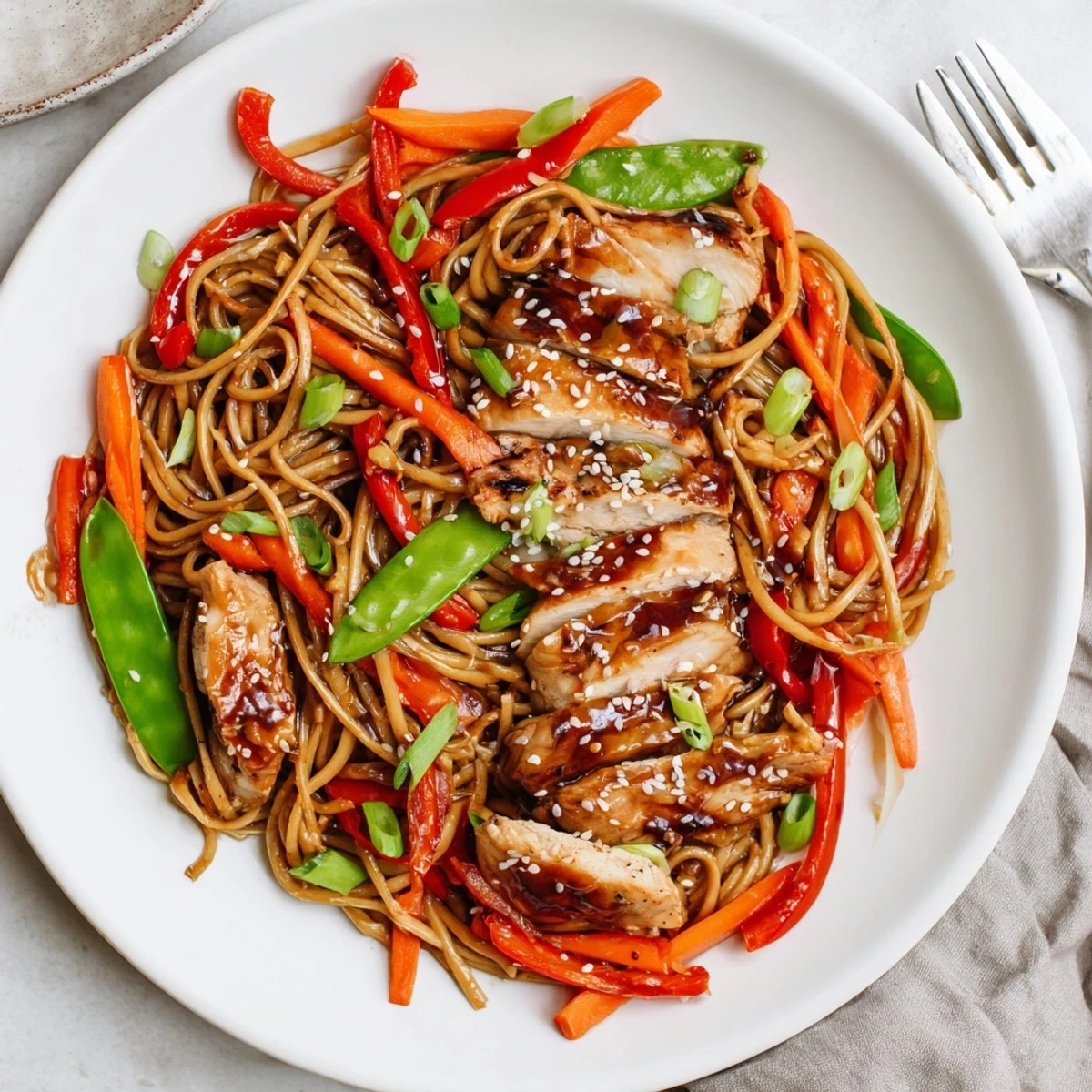
Pin There's a reason this recipe has earned permanent rotation in my kitchen. It's forgiving, it's faster than delivery, and somehow it still feels special enough for Friday night dinner.
Recipe Questions & Answers
- → Can I make this ahead of time?
-
Yes, you can prepare the sauce and slice vegetables up to 24 hours in advance. Cook everything just before serving for the best texture and glossy coating.
- → What noodles work best?
-
Egg noodles or rice noodles both absorb the sauce beautifully. Choose wider egg noodles for more sauce cling or thin rice noodles for a lighter version.
- → How do I store leftovers?
-
Refrigerate in an airtight container for up to 3 days. Reheat with a splash of water to restore the glossy sauce coating and prevent noodles from drying out.
- → Can I make it gluten-free?
-
Absolutely. Use tamari instead of soy sauce, choose gluten-free noodles, and substitute oyster sauce with a gluten-free alternative or additional hoisin.
- → How spicy is this dish?
-
The base version is mild with just a hint of warmth from chili flakes. Adjust the amount or add fresh chili to increase heat to your preference.