
 Pin
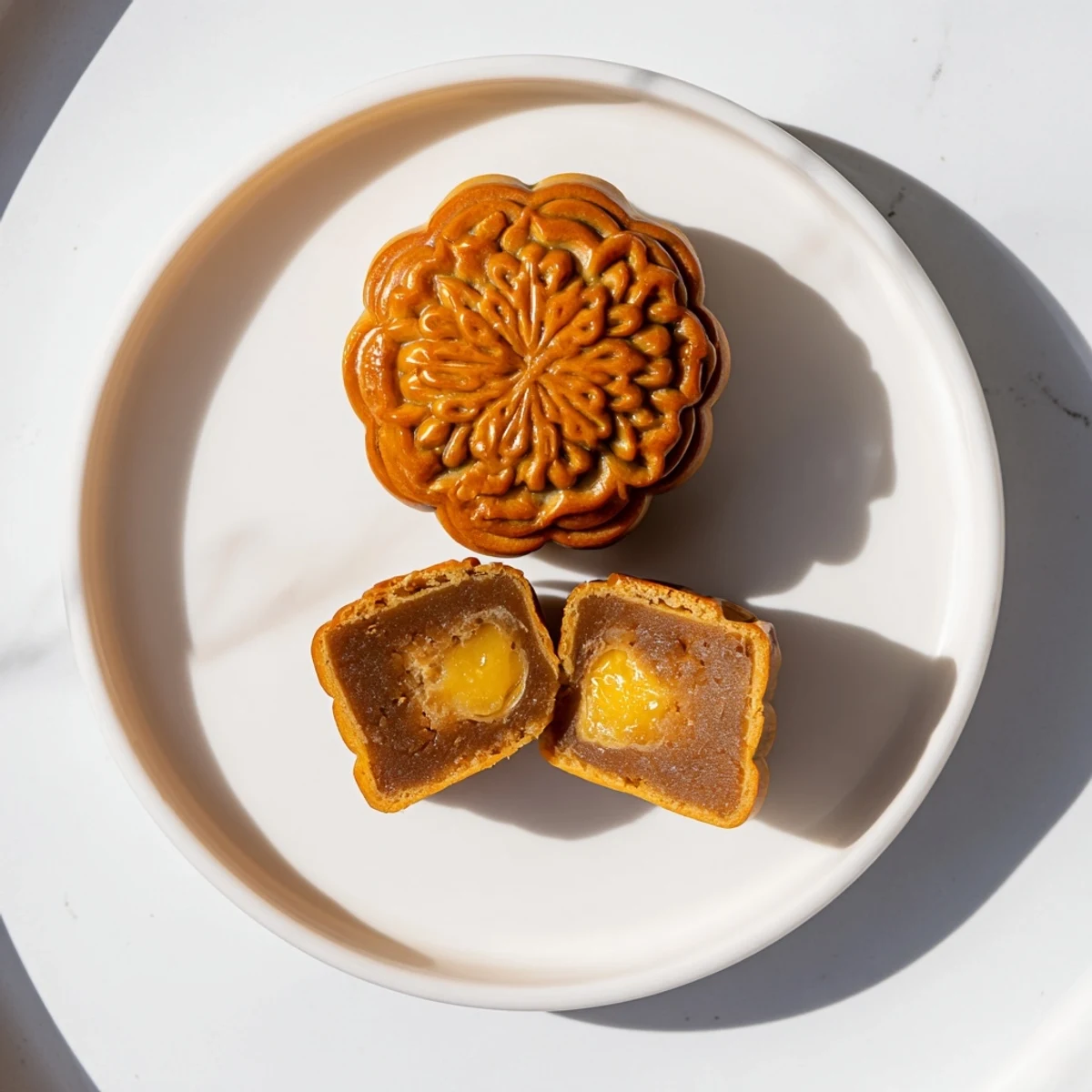
Pin Learn to craft authentic Chinese mooncakes featuring dense lotus seed paste encased in a tender, golden-brown pastry. These traditional delicacies are prepared during the Mid-Autumn Festival and can be enhanced with salted egg yolks for a classic experience.
The process involves creating a smooth dough from golden syrup and alkaline water, then wrapping portions of sweet filling before pressing into decorative molds. After baking, the pastries develop a signature glossy sheen from an egg wash glaze.
Allow mooncakes to rest for 1-2 days in an airtight container, which softens the skin and enhances the flavors. Pair with Chinese tea for the complete ceremonial experience.
The first time I attempted mooncakes, I underestimated how much patience these little pastries demand. My kitchen became a disaster zone of sticky lotus paste and flour clouds, but the moment they emerged from the oven with those intricate imprints, I understood why people wait all year for them. Now I make them annually, and the process has become a kind of meditation in itself.
Last autumn, my neighbor who grew up in Hong Kong tasted my homemade version and got quiet for a moment. She told me these reminded her of her grandmother's kitchen, which might be the highest compliment I've ever received. We sat on her balcony drinking pu-erh tea and eating mooncakes while watching the full moon rise, and I finally understood the connection between this food and the festival it honors.
Ingredients
- Golden syrup: This inverted sugar syrup keeps the dough tender and creates that signature glossy finish—regular syrup will not give you the same results
- Alkaline water: The secret ingredient that gives mooncake skin its characteristic golden color and helps neutralize the syrup's acidity
- Lotus seed paste: Smooth and mildly sweet, this traditional filling can be found at Asian markets—red bean paste makes a lovely alternative if you prefer something earthier
- Salted egg yolks: Optional but traditional, these create that stunning contrast and rich savory note that balances the sweet paste perfectly
Instructions
- Prepare your workspace:
- Preheat your oven to 180°C (350°F) and line a baking sheet with parchment paper—the prep moves quickly once you start, so having everything ready matters
- Mix the dough base:
- Whisk together the golden syrup, vegetable oil, and alkaline water in a bowl until completely smooth and emulsified
- Form the dough:
- Add flour to the wet mixture and stir gently until a soft dough forms, then cover and let it rest for 30 minutes—this relaxation period is crucial for workable dough
- Prepare the filling:
- Divide lotus paste into 12 equal portions, and if using salted yolks, nestle one inside each paste ball and reshape until completely hidden
- Portion the dough:
- Divide your rested dough into 12 equal pieces, keeping them covered with a damp towel to prevent drying while you work
- Wrap the filling:
- Flatten one dough piece into a disc, place a filling ball in the center, and gradually work the dough up and around until the filling is completely sealed inside
- Shape the mooncakes:
- Dust each ball lightly with flour, place it seam-side up in a floured mold, press firmly but gently, then invert to release onto your prepared baking sheet
- Initial bake:
- Bake for just 5 minutes to set the shape, then remove and cool for 10 minutes—this prevents the glaze from running during the second bake
- Apply the glaze:
- Whisk egg yolk with water until smooth, then brush the thinnest possible layer over each mooncake using light, quick strokes
- Final bake:
- Return to the oven for 15 to 20 minutes until deep golden brown, watching carefully as the high sugar content causes them to darken quickly
- The waiting game:
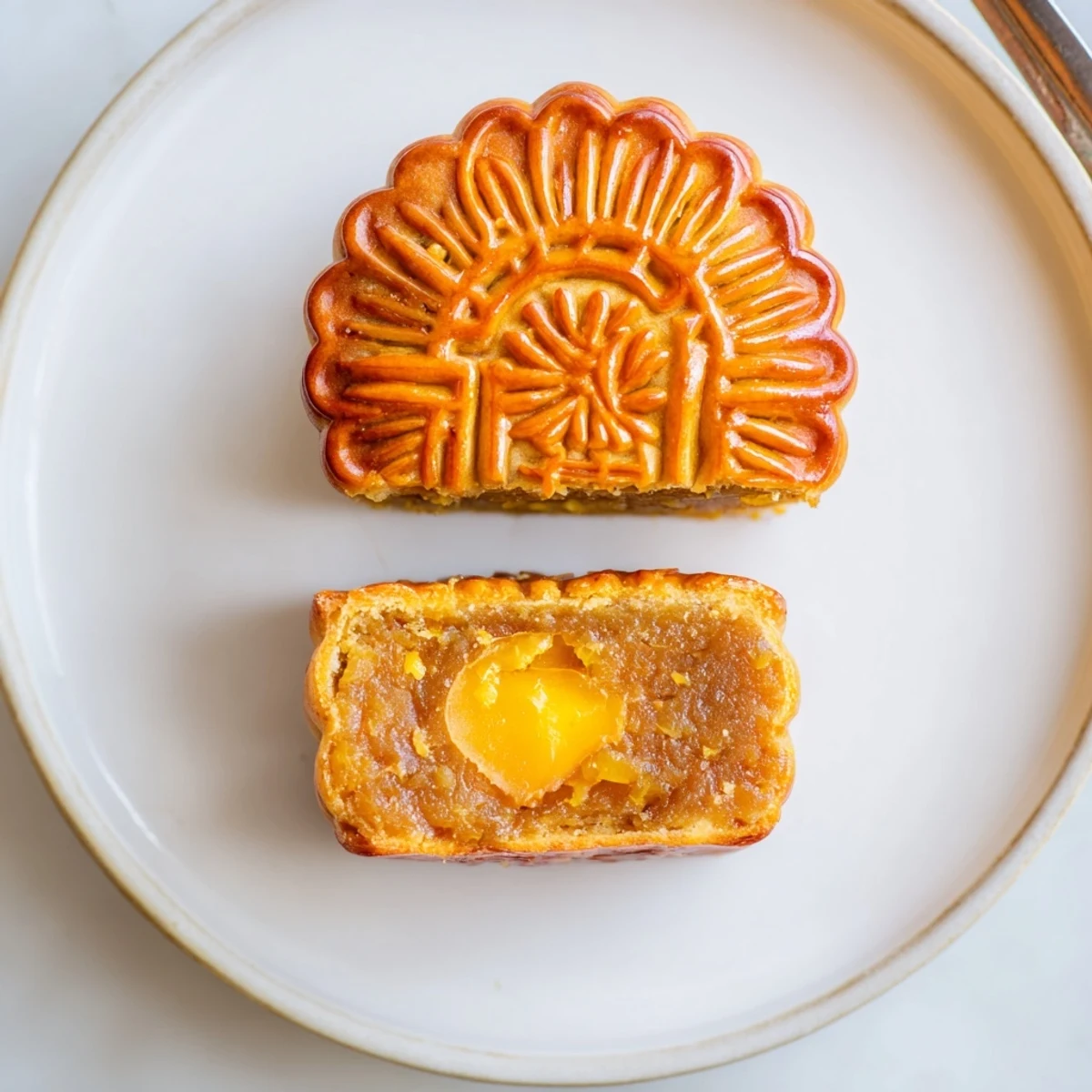
- Cool completely, then store in an airtight container for 1 to 2 days—the skin will soften and the flavors will develop beautifully
 Pin
Pin My first batch came out of the oven looking perfect, and I could not resist cutting into one immediately. Big mistake—the crust was tough and the flavors had not married yet. Now I keep a reminder on my fridge: patience makes perfect mooncakes.
Working with Mooncake Molds
Traditional wooden molds are beautiful but require extra flour to prevent sticking. Modern plastic presses are more forgiving for beginners, though they lack that rustic charm. Either way, dust generously and tap firmly but gently to release your shaped mooncakes.
Customizing Your Filling
Beyond the classic lotus paste, try five-spice powder mixed into red bean paste, or add chopped toasted nuts for texture. Some regional variations include minced ham or winter melon, though these require additional preparation beyond the basic paste.
The Art of Tea Pairings
Mooncakes are notoriously rich, which is why they are traditionally served with tea to cut through the sweetness and fat. Pu-erh is the classic choice, with its earthy depth complementing the lotus paste perfectly.
- Oolong works beautifully for its floral notes that balance the dense filling
- Chrysanthemum tea adds a light, refreshing contrast to the heavy pastry
- .Serve mooncakes in thin wedges rather than whole—they are meant to be shared
 Pin
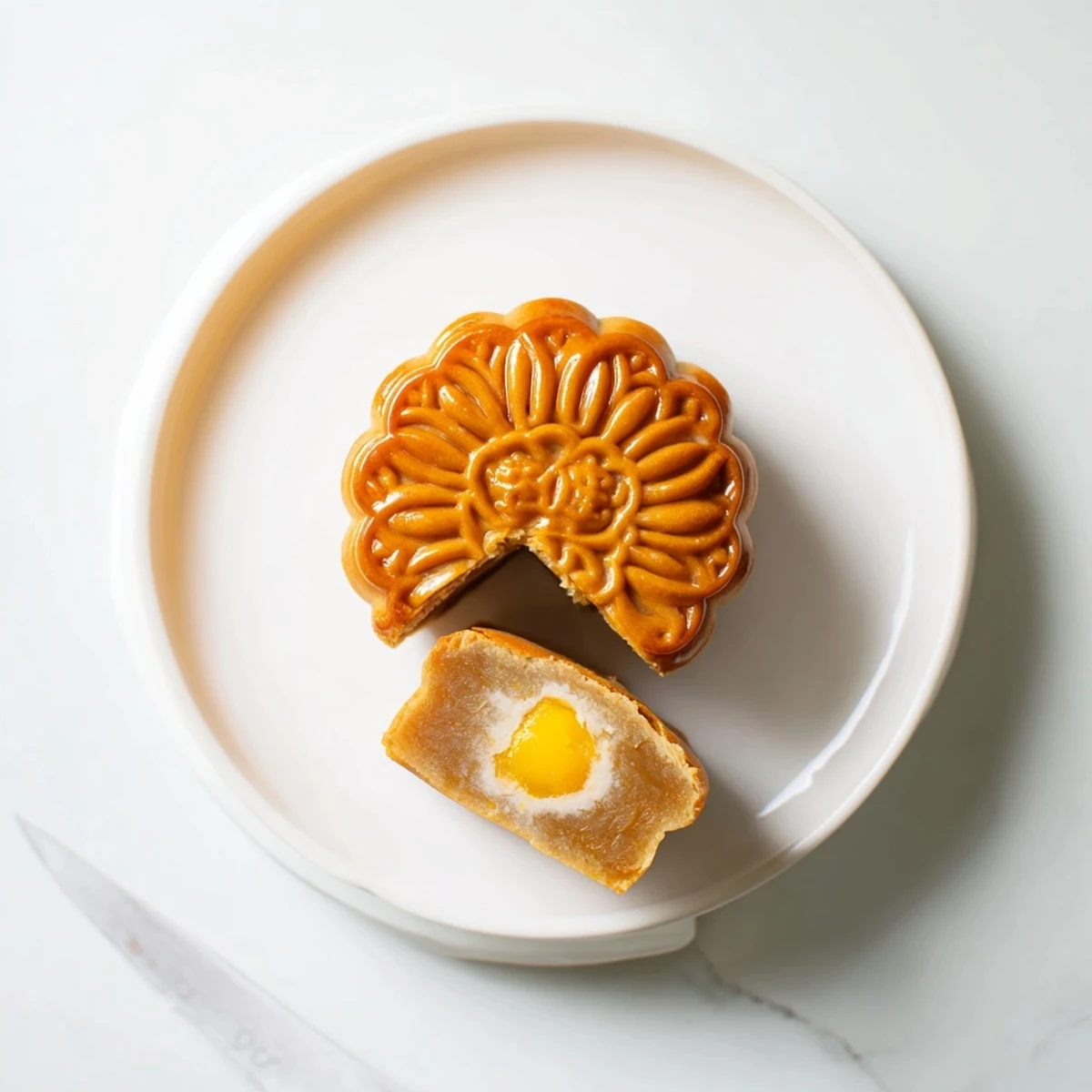
Pin Whether you are celebrating Mid-Autumn Festival or simply want to try your hand at a timeless tradition, these mooncakes carry centuries of culinary history in every bite. May your kitchen be filled with the warm aroma of golden syrup and toasted pastry.
Recipe Questions & Answers
- → What is the traditional filling for mooncakes?
-
The classic filling is sweet lotus seed paste, though red bean paste and black sesame paste are popular alternatives. Traditional versions often include a salted egg yolk in the center, symbolizing the full moon.
- → Why do mooncakes need to rest before serving?
-
Resting mooncakes for 1-2 days allows the pastry skin to soften and the flavors to meld properly. Freshly baked mooncakes have a crisp texture that transforms into the characteristic tender, yielding mouthfeel expected of this delicacy.
- → What is alkaline water used for in mooncakes?
-
Alkaline water, also called lye water, gives the pastry its distinctive golden-brown color and helps create the tender texture. It also neutralizes the acidity in the syrup, contributing to the classic mooncake appearance and taste.
- → Can mooncakes be made vegan?
-
Yes, omit the salted egg yolks from the filling and replace the egg glaze with plant-based alternatives like soy milk or maple syrup. The dough itself is naturally vegan as it uses vegetable oil rather than butter or lard.
- → What should I serve with mooncakes?
-
Chinese tea is the traditional accompaniment, particularly pu-erh, oolong, or jasmine varieties. The bitter notes of tea balance the sweetness of the dense filling, creating a harmonious flavor profile during festival celebrations.