
 Pin
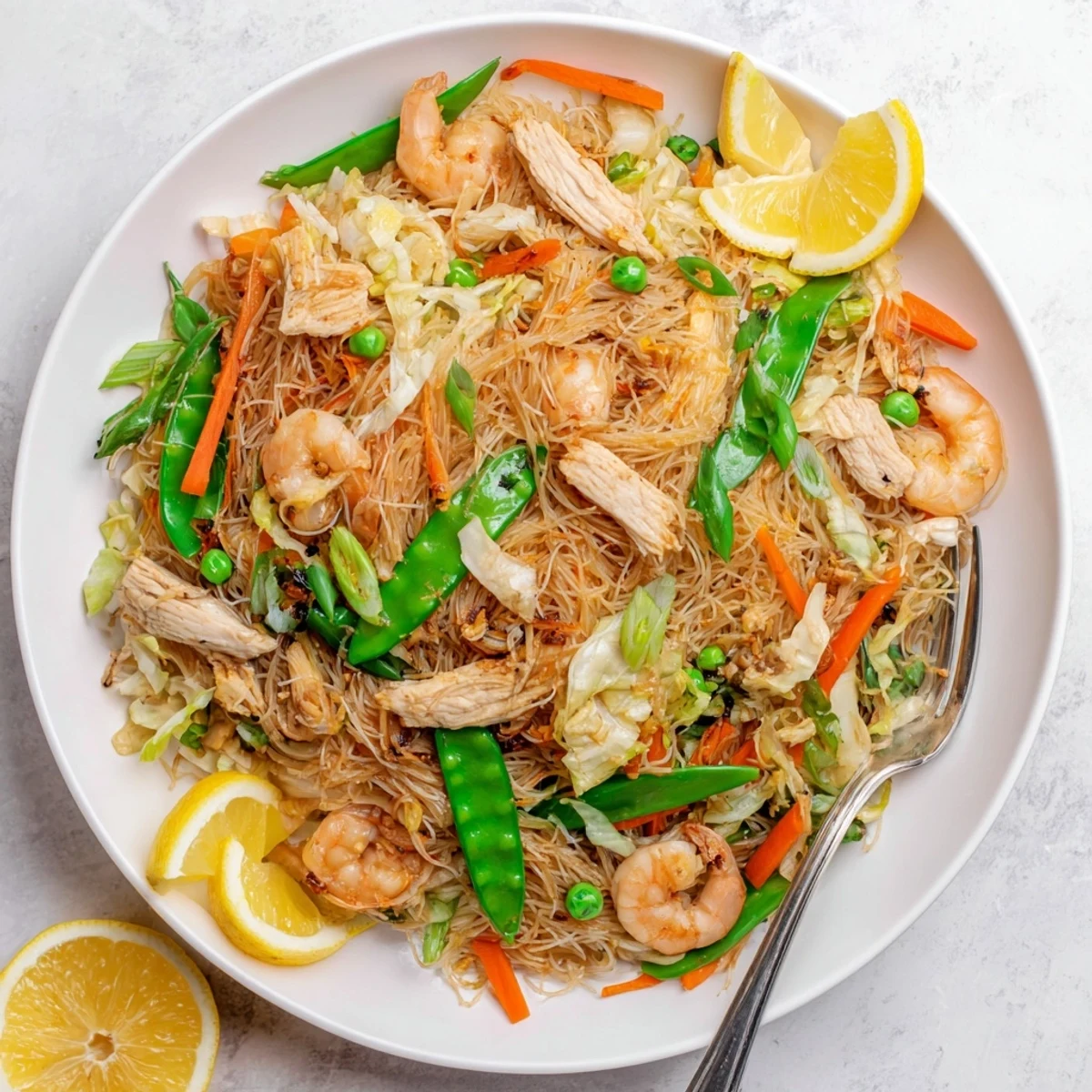
Pin Experience the authentic flavors of Filipino cuisine with this traditional Pancit Bihon, a beloved stir-fried noodle dish that brings families together. Tender rice vermicelli noodles are wok-tossed with succulent chicken, plump shrimp, and colorful julienned vegetables, all coated in a rich umami sauce crafted from soy, oyster sauce, and aromatic seasonings.
This versatile dish comes together in just 40 minutes, making it ideal for both special occasions and weeknight dinners. The key lies in properly soaking the bihon noodles until plump, achieving the perfect balance between tender and slightly chewy texture. High-heat stir-frying preserves the vegetables' crispness while infusing every strand with the savory sauce.
Customize your Pancit Bihon with additional vegetables like bell peppers or celery, or substitute proteins for dietary preferences. Serve piping hot with calamansi wedges for that essential citrus brightness that cuts through the richness.
My Tita Lilia always made pancit whenever we visited her house in Manila, the savory smell of garlic and soy sauce greeting us at the door before we even stepped inside. She taught me that the secret isnt in following a strict recipe but in feeling when the noodles have absorbed just enough sauce. Now whenever I make this dish, I can hear her laughing at my kitchen table, insisting that I need to add more vegetables.
Last Sunday, my roommate walked in while I was stir-frying the vegetables and immediately asked what smelled so incredible. We ended up eating straight from the wok, standing over the stove because neither of us could wait to get to the table. Thats the kind of dish this is.
Ingredients
- 200 g boneless skinless chicken breast: Slice it thinly against the grain so it cooks quickly and stays tender
- 100 g medium shrimp: Fresh shrimp adds sweetness but frozen works perfectly fine if thawed properly
- 200 g dried bihon rice noodles: These thin noodles absorb flavors beautifully and cook up silky smooth
- 1 small carrot: Julienned carrots add sweetness and a pop of color to the dish
- 1 cup green cabbage: Shredded cabbage provides a lovely crunch and mild flavor
- 1/2 cup snow peas: These bring freshness and a satisfying snap
- 1 small onion: Sliced onion becomes sweet and aromatic when sauted
- 3 cloves garlic: Minced garlic is the aromatic foundation of the whole dish
- 2 tbsp soy sauce: This provides the salty umami base of the sauce
- 1 tbsp oyster sauce: Oyster sauce adds depth and a subtle sweetness
- 1 tsp fish sauce: Just enough to enhance the savory notes without being overpowering
- 1/2 tsp ground black pepper: Freshly cracked pepper adds gentle warmth
- 1 cup chicken broth: Homemade broth is ideal but store-bought works perfectly
- 2 tbsp chopped scallions: Fresh scallions add a bright oniony finish
- 1 lemon or calamansi: A squeeze of citrus cuts through the richness and brightens everything
Instructions
- Soak the noodles:
- Place the bihon noodles in warm water for about 10 minutes until they soften and become pliable.
- Saut the aromatics:
- Heat oil in a wok over medium-high heat and cook the garlic and onion until fragrant and translucent.
- Cook the proteins:
- Add the chicken first and cook until lightly browned then toss in the shrimp until they turn pink.
- Stir-fry the vegetables:
- Add the carrots cabbage and snow peas to the hot pan and cook for just a few minutes until they are tender but still crisp.
- Create the sauce base:
- Return the chicken and shrimp to the pan then pour in the soy sauce oyster sauce fish sauce and chicken broth.
- Combine everything:
- Add the drained noodles and toss gently with tongs letting them absorb the sauce and heat through completely.
- Season and serve:
- Add black pepper to taste then transfer to a platter and top with scallions and citrus wedges.
 Pin
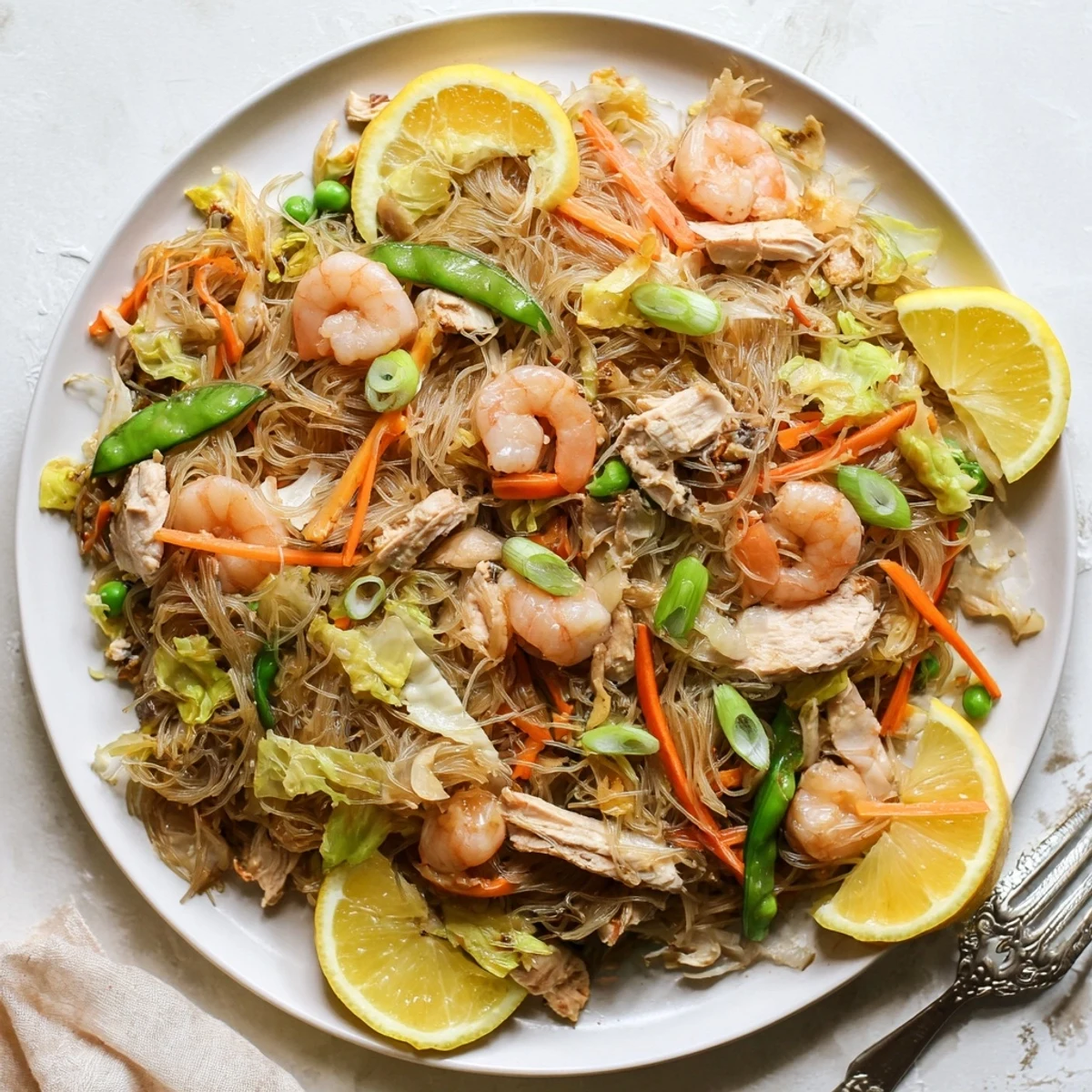
Pin My cousin once tried to make pancit without soaking the noodles first and ended up with a crunchy gummy mess that we still laugh about years later. Now whenever I teach someone to make this dish I emphasize that preparation step above everything else.
Getting the Noodles Right
Rice noodles are delicate and can easily turn into a clumpy disaster if you are not gentle with them. Use tongs instead of a spoon when tossing to avoid breaking the strands.
Building Layers of Flavor
The combination of soy sauce oyster sauce and fish sauce creates that signature Filipino pancit taste. Taste as you go and adjust the seasonings because different brands vary in saltiness.
Make It Your Own
Pancit is incredibly forgiving and welcoming to substitutions. Use whatever vegetables you have in the refrigerator and swap proteins based on what is available or what you prefer.
- Leftover rotisserie chicken works beautifully in this recipe
- Add sliced bell peppers for extra color and sweetness
- Crush more pepper on top if you love a bit of heat
 Pin
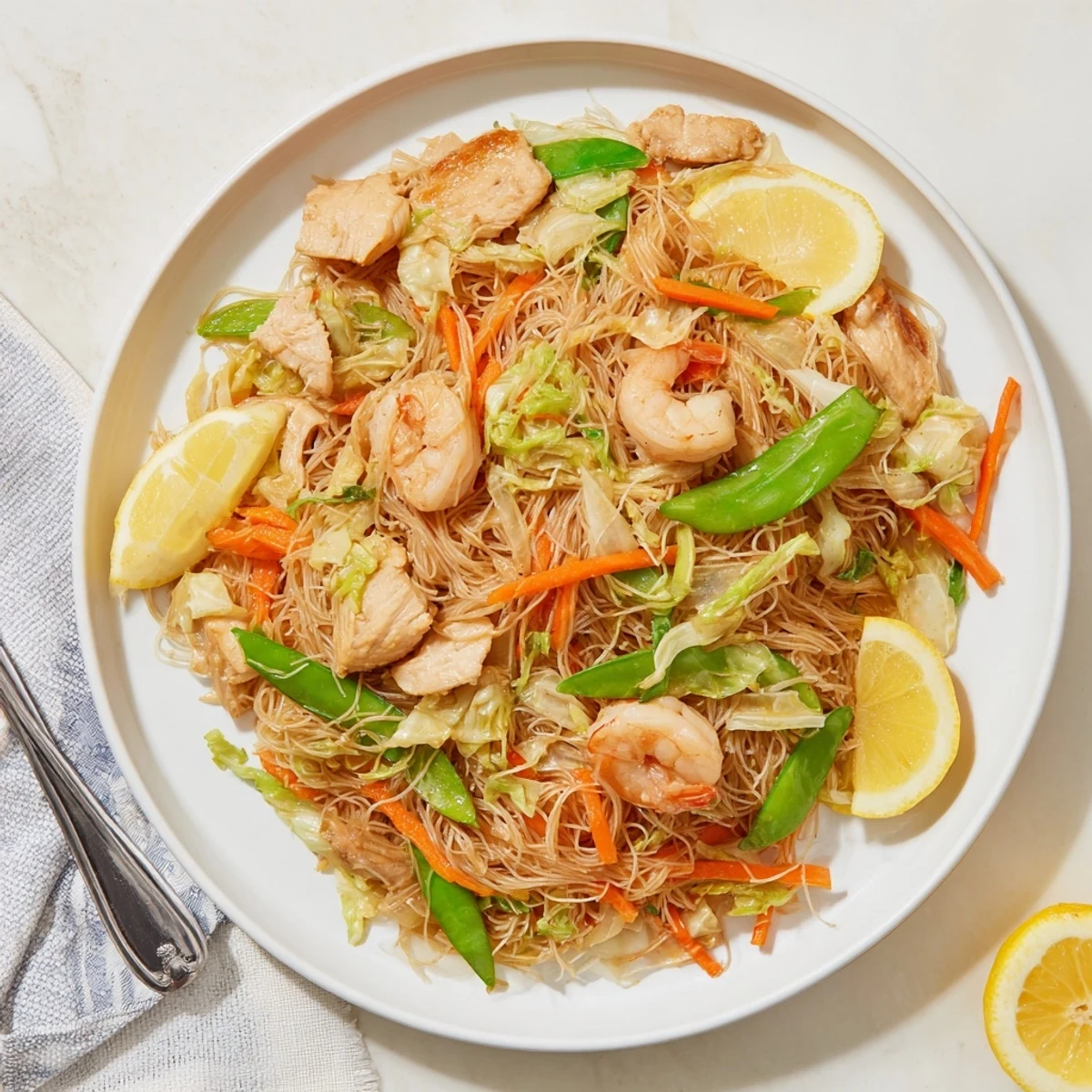
Pin Theres something so comforting about a steaming plate of pancit bihon that brings people together. I hope this recipe finds its way into your regular rotation and creates memories around your own table.
Recipe Questions & Answers
- → What makes Pancit Bihon different from other pancit varieties?
-
Bihon refers specifically to thin rice vermicelli noodles, distinguishing it from pancit canton which uses wheat egg noodles. The rice noodles have a delicate, slightly chewy texture that absorbs the savory soy-based sauce beautifully, creating a lighter and more refined dish compared to heartier wheat noodle versions.
- → How do I prevent bihon noodles from becoming mushy?
-
Soak dried bihon noodles in warm water for exactly 10 minutes until pliable but not overly soft. Drain thoroughly before adding to the wok. The noodles will finish cooking in the sauce, absorbing flavor while maintaining their springy texture. Avoid over-soaking or boiling, as this causes them to break down and become gummy.
- → Can I make Pancit Bihon ahead of time?
-
While best served immediately, you can prepare components in advance. Slice vegetables and proteins up to a day ahead and store separately. Cook everything just before serving, as the noodles continue absorbing sauce and may become dry upon reheating. If storing leftovers, add a splash of chicken broth when reheating to revive the sauce.
- → What's the purpose of calamansi in this dish?
-
Calamansi, a small citrus fruit native to the Philippines, provides essential acidity that balances the rich, savory soy-based sauce. The bright citrus notes cut through the umami flavors while enhancing the natural sweetness of shrimp and vegetables. If unavailable, fresh lemon or lime wedges make excellent substitutes.
- → How can I make this dish vegetarian?
-
Replace chicken and shrimp with firm tofu cubes or additional vegetables like mushrooms, bell peppers, and broccoli. Substitute fish sauce with additional soy sauce or mushroom-based vegetarian sauce for umami depth. Use vegetable broth instead of chicken broth. The result remains satisfying and full of flavor while being entirely plant-based.
- → Why is it important to cook proteins and vegetables separately?
-
Cooking proteins first ensures proper searing and prevents overcrowding the pan, which would lower the temperature and cause steaming instead of stir-frying. Removing them prevents overcooking while vegetables achieve tender-crisp perfection. This technique maintains distinct textures and flavors in each component, creating a more harmonious final dish when combined.