
 Pin
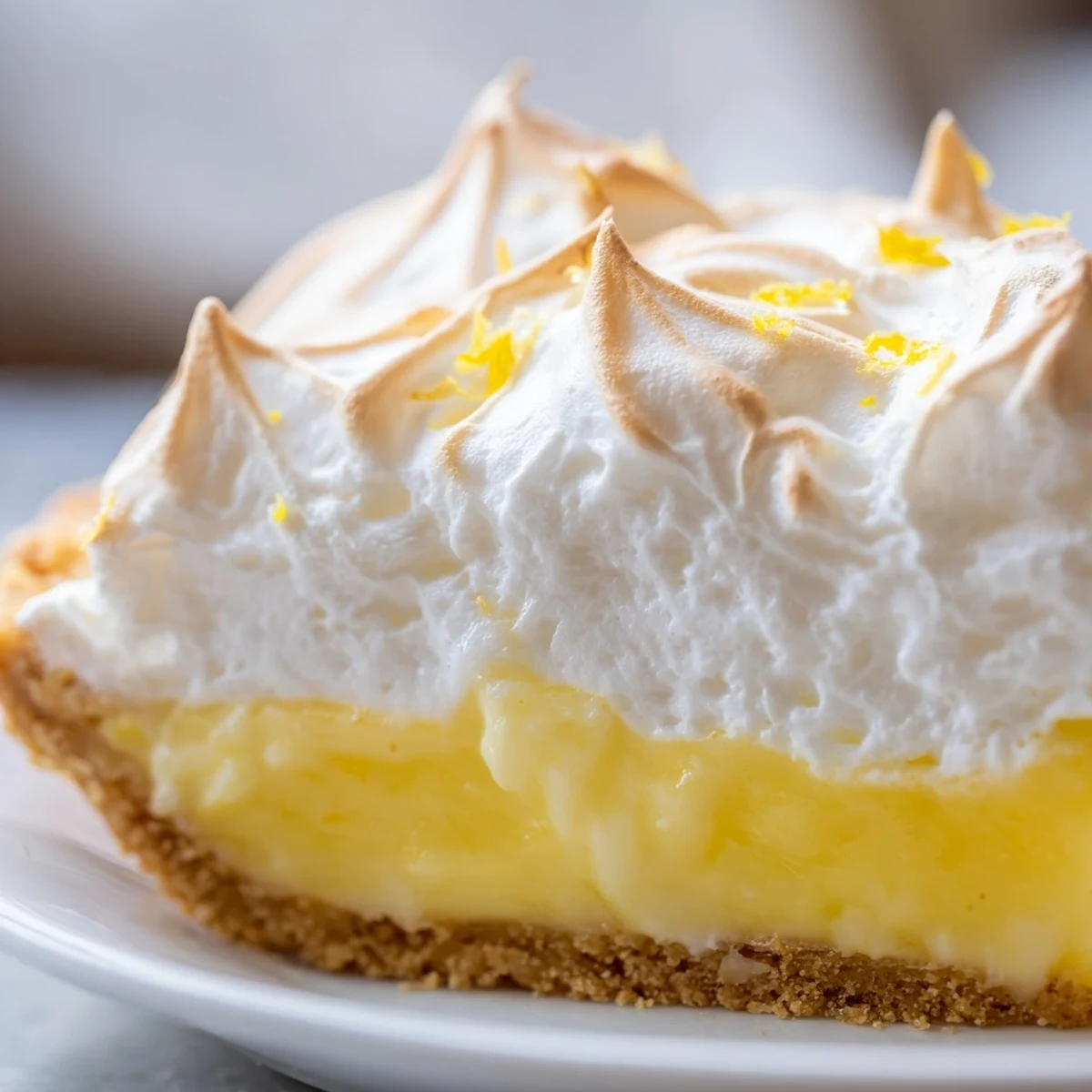
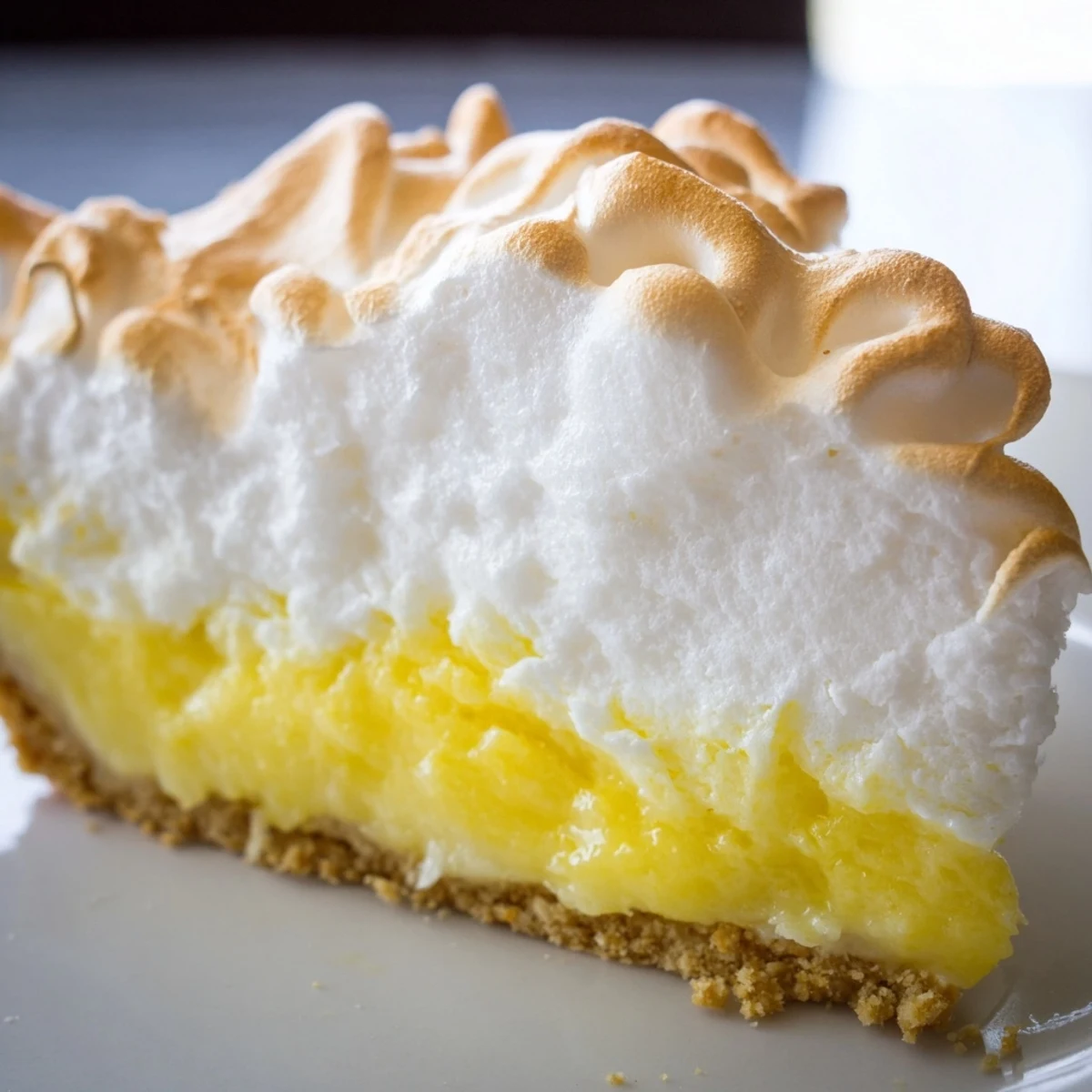
Pin This timeless dessert features a crisp graham cracker base layered with a silky, tart lemon filling. The crowning touch is a pillowy meringue toasted to golden perfection, adding light sweetness and texture contrast. Prepared with simple ingredients, it requires baking and cooling, allowing flavors to meld beautifully. A perfect balance of tangy citrus and sweet topping creates a refreshing finish for any gathering or special moment.
There's something about the moment meringue hits a hot lemon filling that makes you feel like you've discovered culinary magic. My grandmother would let me stand on a stool to watch that transformation, egg whites going from nothing to clouds, and I was absolutely mesmerized. Years later, I realized that watching was only half the magic—the real trick was in the details, the small moves that separate a weeping, deflated meringue from one that holds its proud peaks. This pie became my way of finally understanding what she was teaching me.
I made this pie for a very sick friend who said she wanted something that tasted like sunshine, and I understood exactly what she meant. The moment she took that first bite, her whole face changed—that sour-sweet brightness cutting through everything heavy in the room. That's when I knew this wasn't just a recipe, it was a small act of care you could hold in your hands.
Ingredients
- Graham cracker crumbs: You can pulse whole graham crackers in a food processor or buy pre-crushed ones, though crushing them yourself keeps the texture slightly more interesting.
- Granulated sugar: For the crust mixture and filling, this is essential—don't substitute with brown sugar for the crust or you'll lose the caramelized crispness.
- Unsalted butter: Use truly unsalted, both for the crust and filling, so you control the salt balance throughout.
- Cornstarch: This is what turns that lemony liquid into a silky, hold-together filling instead of a puddle.
- Salt: Just a pinch in the filling, but it amplifies the lemon flavor in ways that feel almost secret.
- Water: Room temperature is fine, nothing fancy here.
- Egg yolks: Save those whites carefully—they're the whole point of the meringue, and even a speck of yolk will sabotage them.
- Fresh lemon juice: Please squeeze it yourself, fresh lemons make all the difference in brightness.
- Lemon zest: Use a microplane or fine grater, not those big chunks that catch between your teeth.
- Egg whites: Room temperature, separated cleanly from any yolk, beaten in a spotlessly clean bowl.
- Cream of tartar: This stabilizes the egg whites and helps them hold their shape longer, not just visually but structurally.
- Vanilla extract: A small touch that rounds out the meringue without overpowering the lemon.
Instructions
- Preheat and prepare your workspace:
- Set your oven to 350°F and make sure your pie dish is ready. Having everything in its place matters because you'll be moving between three different tasks, and calm hands make for better results.
- Build the foundation:
- Mix your graham cracker crumbs with sugar, then pour in melted butter and stir until it looks like wet sand. Press it firmly and evenly into the dish—use the bottom of a measuring cup to really seal it down, especially along the edges where it matters most.
- Toast the crust:
- Bake for 8 to 10 minutes until just lightly golden, you're not trying to make it dark here, just set and slightly crisp. Let it cool while you move to the next step.
- Start the filling base:
- In a saucepan, whisk together sugar, cornstarch, and salt, breaking up any lumps. Slowly pour in water while whisking, the goal is a smooth paste with no flour-like bits hiding anywhere, then place it over medium heat.
- Cook the filling until it thickens:
- Keep whisking constantly as it heats—you'll feel it transition from thin to nearly thick, and that's when it'll come to a boil. This whole process takes about 5 minutes, and you can't walk away or you'll scorch the bottom.
- Temper the egg yolks:
- Whisk your yolks in a separate bowl, then very slowly pour in about half a cup of that hot mixture while whisking, this gentles the yolks so they don't scramble. Pour everything back into the saucepan and whisk like you mean it.
- Finish the filling with a boil:
- Let the whole thing boil for exactly one minute—this cooks the yolks safely—then remove from heat immediately. Stir in lemon juice, zest, and butter until the filling goes glossy and smooth, almost like silk.
- Fill the pie:
- Pour that gorgeous filling into your cooled crust and smooth the top with a spatula, keep it level because it'll pour differently if the crust isn't even.
- Make meringue magic:
- In a completely clean bowl, beat egg whites with cream of tartar on medium-high speed until soft peaks form, you should see the beaters leave tracks that don't quite hold. Gradually sprinkle in sugar while beating, keep going until the peaks are stiff and glossy and the mixture holds its shape proudly.
- Add the final touch to meringue:
- Beat in vanilla extract at the very end, just a few more seconds.
- Top and seal:
- Spread meringue over the hot filling immediately, pressing it right to the edges and crust so it seals and won't shrink away. Use the back of a spoon to make little swirls and peaks if you like the look, these brown beautifully.
- Toast the meringue:
- Bake at 350°F for 15 to 18 minutes until the peaks are golden brown, watch it toward the end because meringue can brown quickly once it starts. The peaks should look toasted and slightly crisp.
- Cool completely before chilling:
- Let the pie cool to room temperature on the counter—this prevents cracks from temperature shock—then slide it into the refrigerator for at least 2 hours before you slice it. Cold pie cuts cleanly, warm pie is a beautiful mess that tastes just as good but won't look showstopping.
 Pin
Pin I remember my husband trying this pie for the first time and being so surprised by how it tasted like nothing artificial, like actual lemons and sunshine had somehow found their way into dessert. He asked if I'd use a mix, and I laughed because that's the moment I knew the recipe was working exactly as it should.
The Secret of Graham Cracker Crust
Graham cracker crusts taught me that sometimes the foundation matters more than the showcase. That buttery, slightly sweet base does something quietly important—it softens the intensity of the lemon filling and gives your fork something to grip that isn't just custard. The toasting step is what separates a soggy disaster from something that holds its structure, and it's worth the 10 minutes of attention.
Meringue Mastery Matters
The meringue is where most people stumble, mostly because it feels so fragile and temperamental. But meringue is actually quite forgiving if you understand what it wants—scrupulously clean equipment, room-temperature whites, and a gradual addition of sugar so the foam can incorporate it properly. The moment you beat in vanilla, you're done, further beating only breaks down the foam and makes it weep into sad little puddles.
Timing and Temperature Lessons
Timing is genuinely everything with lemon meringue pie, and I learned this the hard way. The filling needs to be hot when you pour the meringue over it so the underside cooks gently, but the pie needs to cool completely before chilling so the filling sets properly and the crust stays crisp. Rushing any of these steps costs you texture and integrity.
- Always squeeze fresh lemons rather than using bottled juice—the flavor difference is not subtle.
- If your meringue weeps no matter what, it's likely because the filling was too cool or the whites weren't beaten enough, not because you're a bad baker.
- This pie is absolute best the day it's made, when everything is at its textural peak.
 Pin
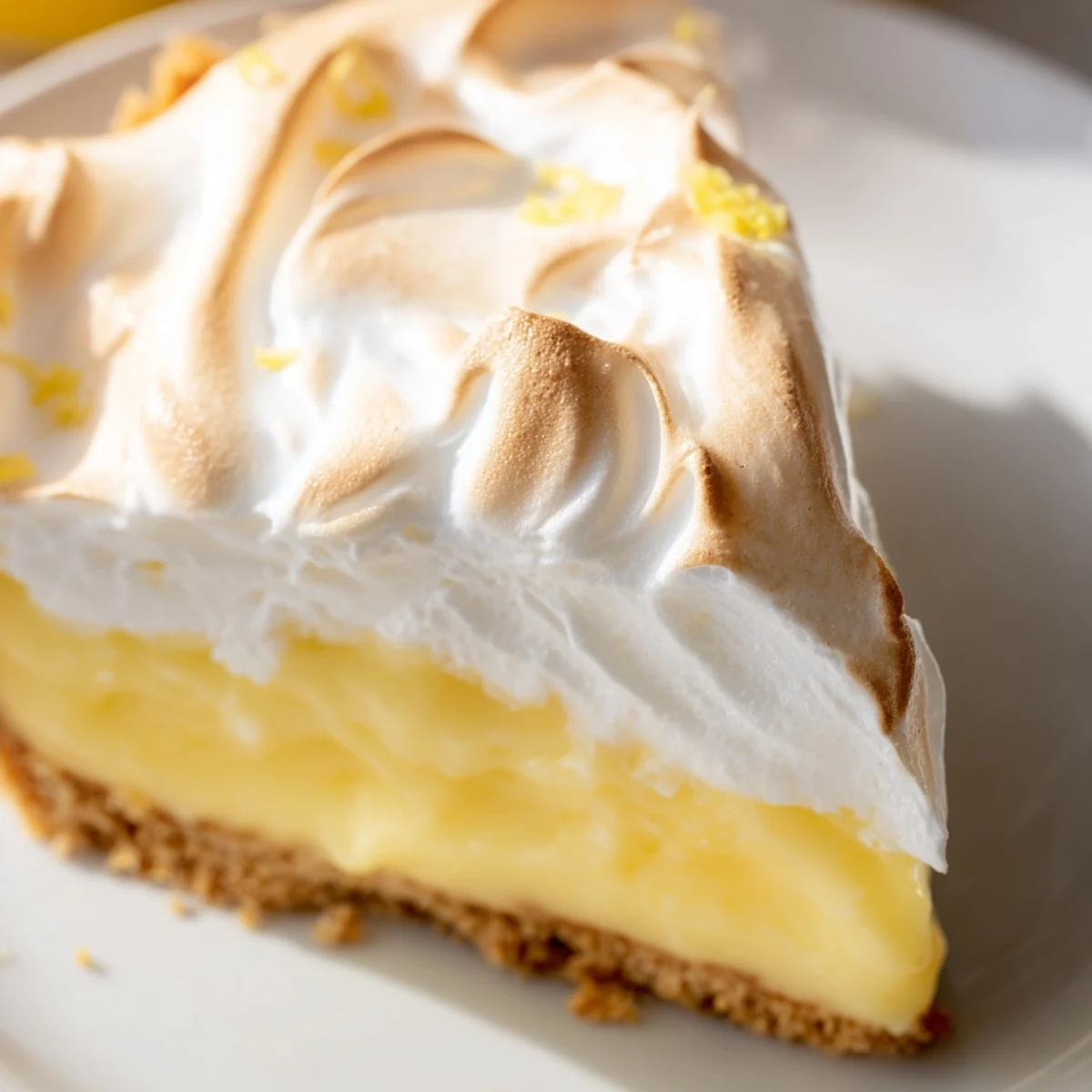
Pin This pie has become my answer when someone asks what home baking means to me—it's brightness and care folded into something delicious. Make it when you want someone to feel looked after.
Recipe Questions & Answers
- → How do you prevent the meringue from weeping?
-
Ensure the meringue completely covers the lemon filling and touches the crust all around. This seals moisture and helps prevent weeping.
- → What’s the best way to achieve crisp graham cracker crust?
-
Mix graham crumbs with melted butter and sugar, pressing firmly into the pan. Baking for 8-10 minutes until lightly golden helps set and crisp the crust.
- → How can the lemon filling be thickened properly?
-
Cook the sugar, cornstarch, and water mixture until thick and boiling, then temper egg yolks before combining. Stir continuously to avoid lumps.
- → Is it necessary to refrigerate before serving?
-
Yes, chilling for at least two hours helps the filling set and makes clean slicing easier.
- → Can I add extra flavor to the lemon layer?
-
Adding half a teaspoon of vanilla extract to the lemon filling enhances its depth without overpowering the citrus notes.
- → What tools are essential for making this dessert?
-
A 9-inch pie dish, mixer for meringue, whisk, saucepan, and spatula are key for best results.