
 Pin
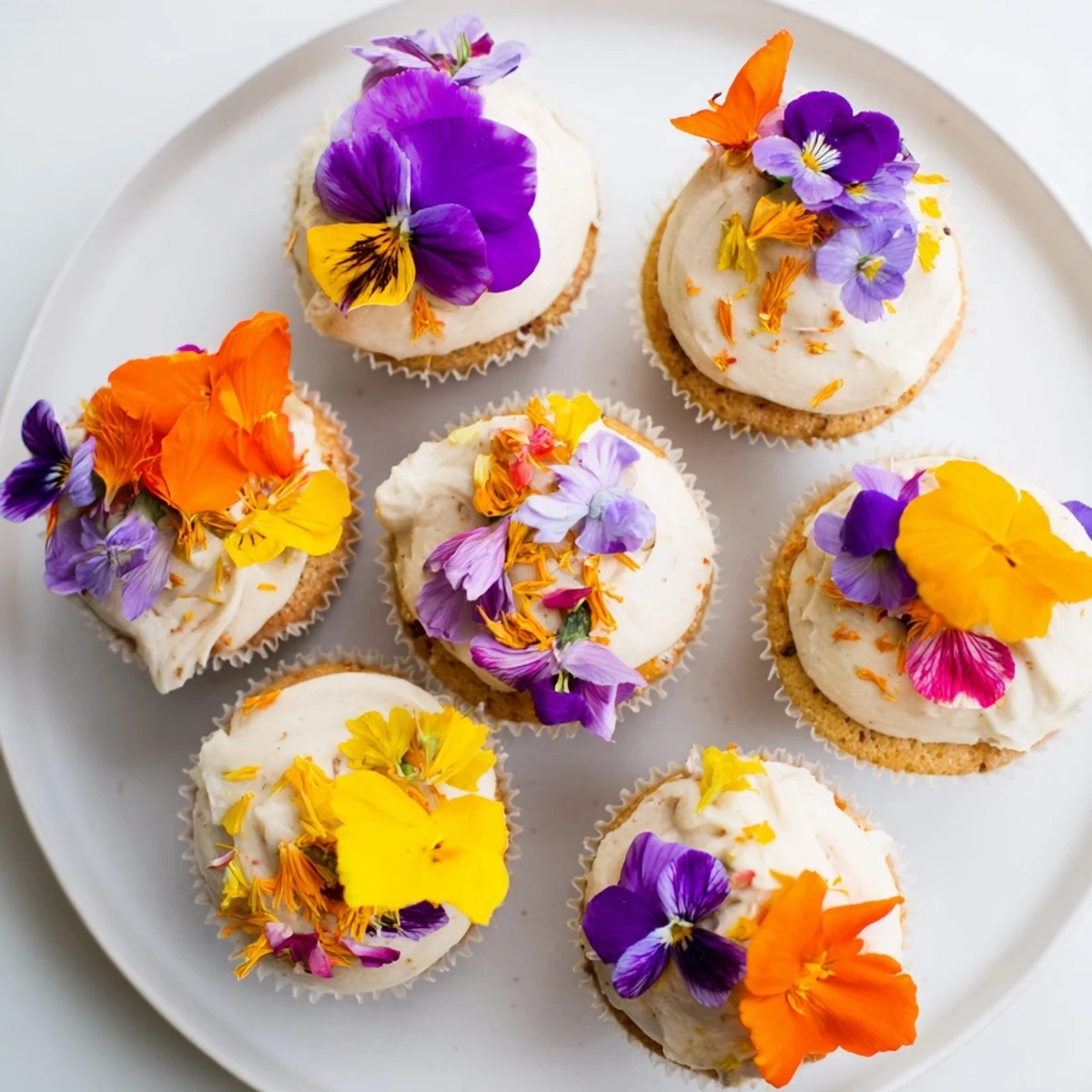
Pin These tender vanilla cupcakes feature a light, fluffy crumb and creamy buttercream frosting, beautifully garnished with fresh edible wildflowers. The delicate floral decoration makes them ideal for spring celebrations, bridal showers, and elegant afternoon tea service.
The batter comes together in minutes using basic pantry ingredients, while the buttercream frosting provides a smooth, not-too-sweet finish that lets the natural beauty of violets, pansies, nasturtiums, or calendula petals shine through.
The first time I scattered violets across frosted cupcakes, my neighbor asked if I'd lost my mind decorating with weeds from the yard. That afternoon changed everything about how I think about dessert presentation. Something about tiny flowers makes people lean in closer, smile wider, forget whatever was worrying them before they took that first bite.
Last spring I made these for my daughters fairy-themed birthday party. The children kept pointing at each cupcakes toppings, comparing which flowers theyd gotten. Watching six year olds appreciate something so subtle and beautiful reminded me that elegance isnt wasted on young audiences.
Ingredients
- All-purpose flour: Provides the tender crumb foundation that holds up under generous frosting without collapsing
- Unsalted butter: Room temperature butter incorporates air better than cold, creating that lighter-than-air cupcake texture
- Granulated sugar: Creamed with butter until pale, this creates tiny air pockets that help the cupcakes rise beautifully
- Large eggs: Bring structure and moisture, always added one at a time to prevent the batter from separating
- Whole milk: Alternating with dry ingredients prevents overdeveloping gluten, keeping these cupcakes incredibly tender
- Baking powder: The leavening agent that gives these their dome and ensures they bake up evenly every time
- Fine salt: A tiny pinch balances sweetness and makes vanilla flavor pop brighter
- Pure vanilla extract: Use the good stuff here since vanilla is the star flavor in both cake and frosting
- Powdered sugar: Sifting first prevents lumpy buttercream and creates that professional smooth finish
- Edible wildflowers: Violets, pansies, nasturtiums, or calendula add stunning color and subtle floral notes
Instructions
- Prep your baking station:
- Preheat oven to 350°F and line a 12-cup muffin tin with paper liners while bringing all ingredients to room temperature
- Build the base:
- Cream butter and sugar until pale and fluffy, then beat in eggs one at a time followed by vanilla
- Combine wet and dry:
- Whisk flour, baking powder, and salt separately, then alternate adding dry ingredients and milk to the butter mixture
- Bake to golden:
- Divide batter evenly among liners, filling 2/3 full, and bake 18-20 minutes until a toothpick comes out clean
- Cool completely:
- Let cupcakes rest in the pan 5 minutes before transferring to a wire rack to cool fully before frosting
- Make the buttercream:
- Beat butter until creamy, gradually incorporate sifted powdered sugar, then mix in milk, vanilla, and salt until fluffy
- Add the finishing touch:
- Frost cooled cupcakes with buttercream and gently press edible flowers into the frosting just before serving
 Pin
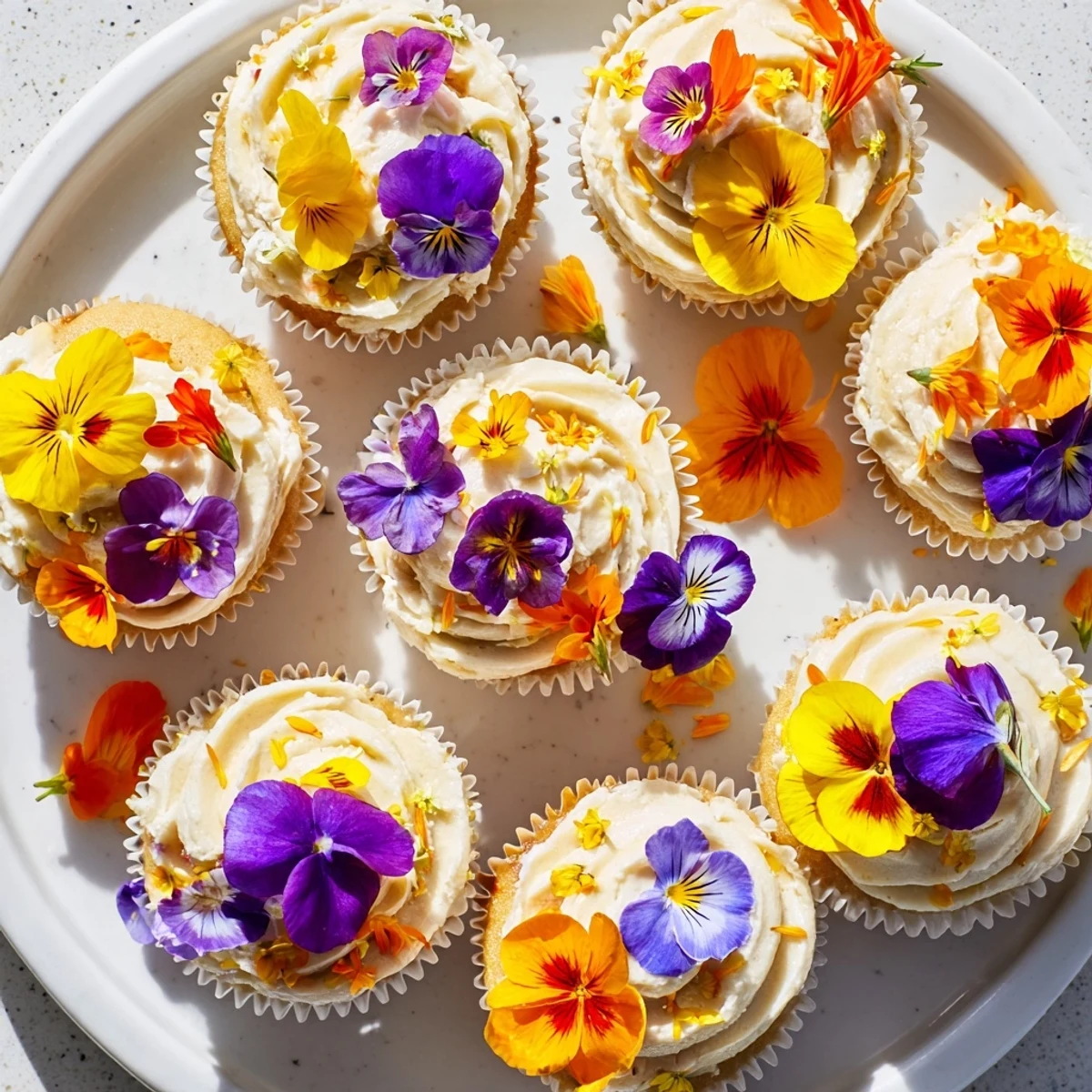
Pin These cupcakes became my go-to contribution to book club meetings. Something about edible flowers makes everyone feel like they're eating something from a French patisserie instead of my tiny apartment kitchen.
Working With Edible Flowers
I learned the hard way that not all flowers from the garden are safe to eat. Always source from trusted suppliers or grow your own without pesticides. Pansies and violets are the most beginner friendly since theyre entirely edible and have a mild, slightly sweet flavor that complements vanilla without overwhelming it.
Perfect Frosting Technique
Room temperature ingredients are non-negotiable here. Cold butter creates lumpy frosting that refuses to smooth out no matter how long you beat it. I set my butter out the night before baking, and if I forget, I cut it into small cubes and let it sit for 30 minutes on the counter while I gather everything else.
Storage and Timing
These cupcakes hold up beautifully for two days at room temperature, though the flowers will look freshest if added within a few hours of serving. I've found that frosting can be made a day ahead and stored in an airtight container, then brought to room temperature and rewhipped briefly before piping.
- Unfrosted cupcakes freeze exceptionally well for up to a month
- If transporting, place cupcakes in a single layer with parchment between layers
- Consider packing flowers separately and adding them on-site for the freshest appearance
 Pin
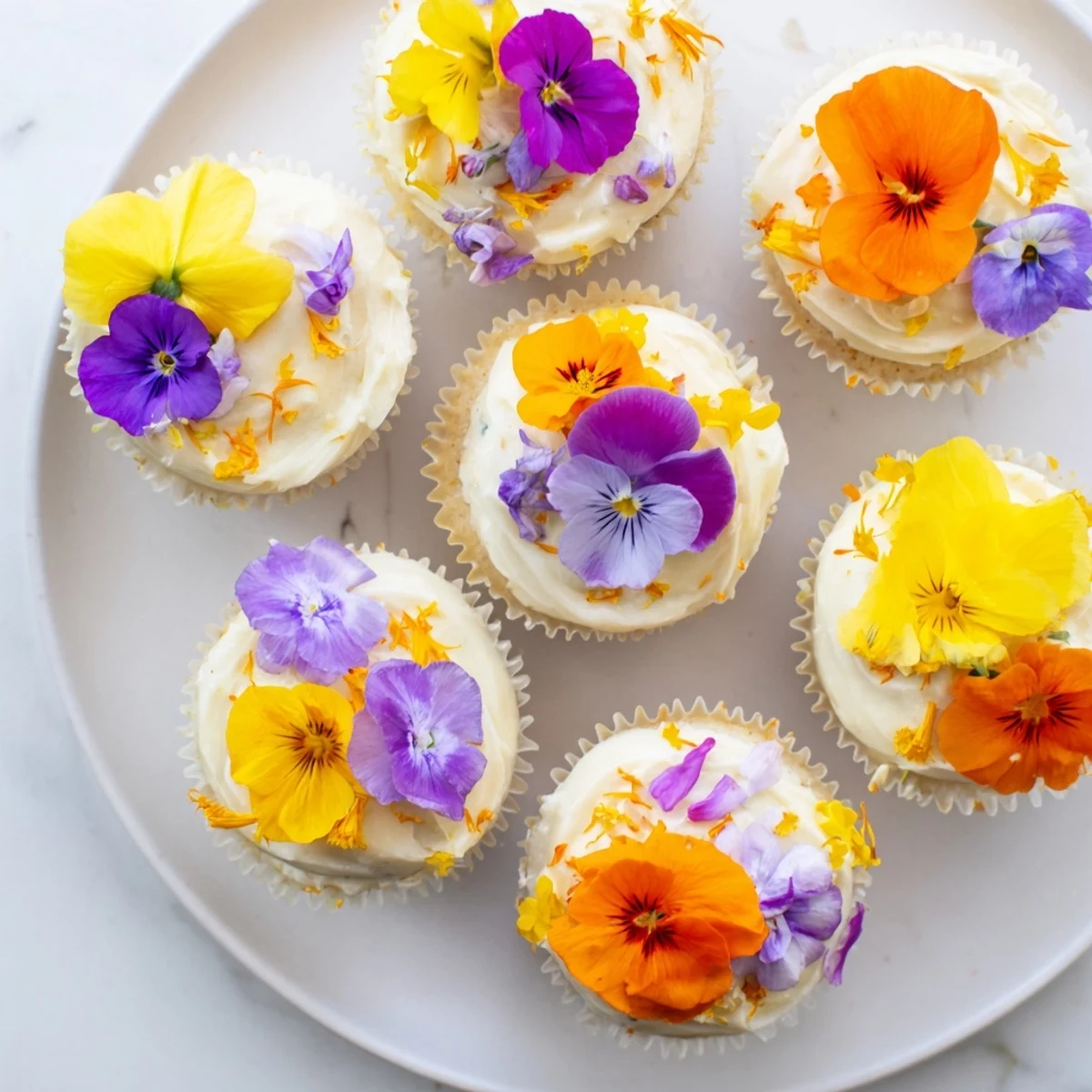
Pin There's something magical about serving food that looks like it grew straight from a storybook garden.
Recipe Questions & Answers
- → What flowers are safe to use for decoration?
-
Edible flowers like violets, pansies, nasturtiums, and calendula petals are excellent choices. Always purchase from reliable suppliers or grow yourself without pesticides. Never use flowers from florists or garden centers unless certified edible.
- → How far in advance can I make these?
-
Bake cupcakes up to one day ahead and store in an airtight container. Frost and decorate with flowers the same day you plan to serve them, as fresh blossoms are delicate and may wilt after sitting too long on the frosting.
- → Can I use cake flour instead of all-purpose?
-
Yes, cake flour creates an even more tender crumb. Use 1 3/4 cups cake flour or substitute 2 tablespoons of all-purpose flour with cornstarch in the measured amount.
- → How do I prepare the edible flowers?
-
Gently rinse flowers in cool water and pat completely dry with paper towels. Remove stems and any green parts that may be bitter. Use within a few hours of decorating for best appearance.
- → What if I don't have fresh edible flowers?
-
You can use crystallized flowers, candied violets, or create floral designs with tinted buttercream and a piping tip. Alternatively, decorate with fresh herbs like lavender or mint leaves for a different botanical presentation.
- → Can these be made gluten-free?
-
Yes, substitute the all-purpose flour with a 1-to-1 gluten-free baking blend. The texture will remain similar, though slightly denser. Ensure all other ingredients, including baking powder, are certified gluten-free.