
 Pin
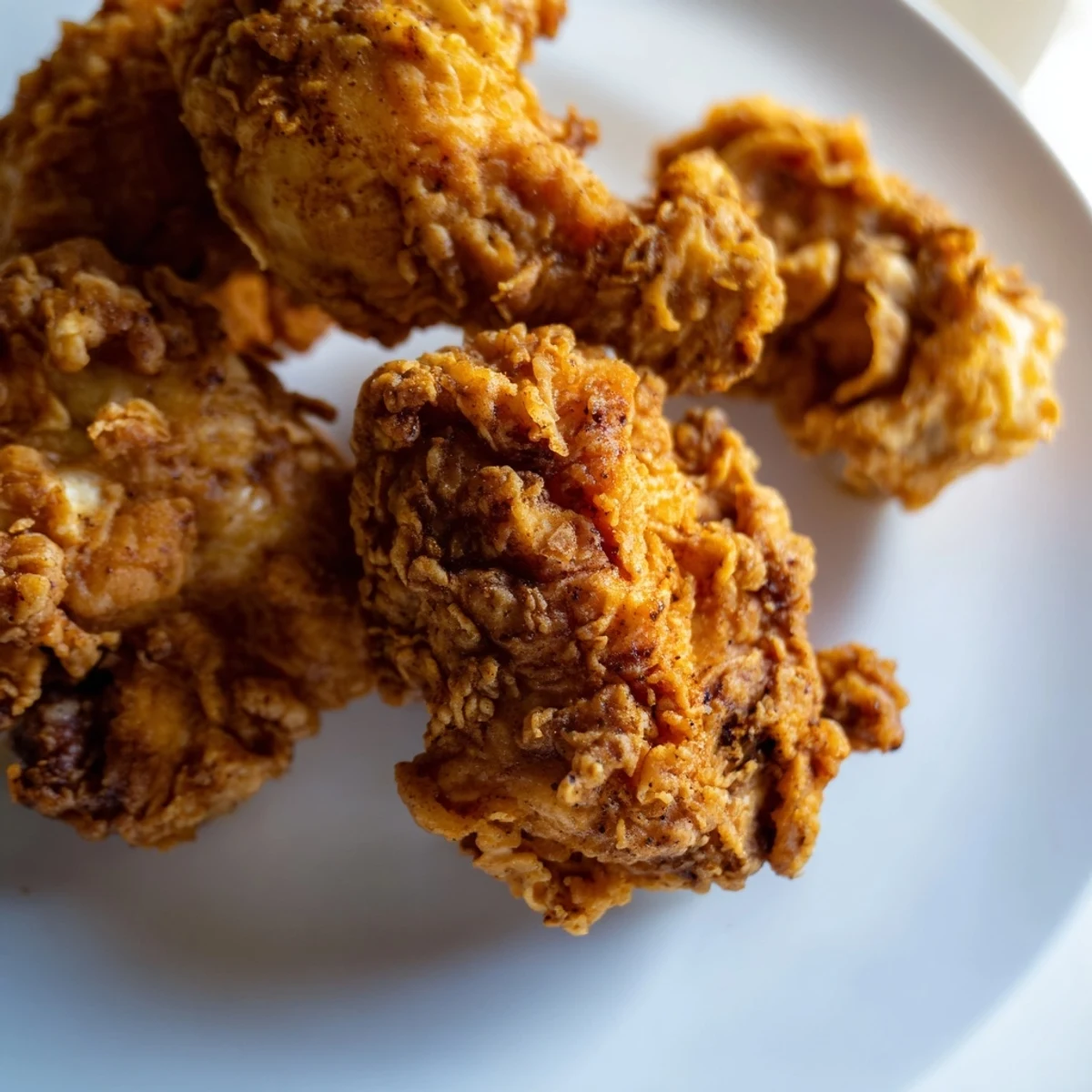
Pin Achieve restaurant-quality fried chicken at home with this classic buttermilk method. The chicken marinates for hours in a seasoned dairy bath, ensuring moisture penetrates deep into the meat. After a thorough coating in our signature flour blend with paprika and baking powder, each piece fries to golden perfection. The result is irresistibly crunchy exterior giving way to tender, flavorful chicken. Master the proper oil temperature and resting times for consistently excellent results every time.
My tiny apartment kitchen smelled like a southern roadhouse last Sunday. I'd been planning this fried chicken experiment for weeks, researching buttermilk ratios and coating techniques. The moment I lowered that first piece into the hot oil and heard it sizzle, I knew this was going to be special.
Last summer my neighbor Sarah caught a whiff of my test batch and knocked on my door with a container of her grandmother's coleslaw. We ended up eating on the fire escape with paper plates and cold beer. She said this was the best fried chicken she'd had since moving north from Georgia ten years ago.
Ingredients
- Chicken: Bone in, skin on pieces keep the meat juicy during the long frying time. Mixed cuts mean everyone gets their favorite part.
- Buttermilk: The acidity tenderizes the meat while creating a base for the seasoning to cling to. Two cups ensures every piece gets thoroughly coated.
- Garlic and onion powder: These dissolve better in the marinade than fresh garlic would, giving consistent flavor throughout the meat.
- Cayenne and black pepper: The heat level is a background warmth rather than overwhelming spice. Adjust based on your crowd's tolerance.
- All purpose flour: Creates that classic golden crust we all crave. The protein content helps it adhere to the buttermilk soaked chicken.
- Baking powder: The secret ingredient that makes the crust extra bubbly and light. Don't skip this step.
- Vegetable oil: Neutral flavor lets the chicken shine. Peanut oil works great too if you want to add a subtle nutty note.
Instructions
- Marinate the chicken:
- Whisk the buttermilk with all the marinade spices until well combined. Submerge the chicken pieces completely, cover the bowl, and refrigerate for at least two hours. The longer it soaks, the more flavorful and tender it becomes.
- Mix the coating:
- Combine the flour with paprika, salt, both peppers, and baking powder in a large shallow bowl. Whisk thoroughly to distribute the spices evenly throughout the flour.
- Coat the chicken:
- Lift each piece from the marinade and let the excess drip off for a few seconds. Press firmly into the flour mixture, making sure to coat all the nooks and crannies. Place on a wire rack and let rest for ten minutes to help the coating set.
- Heat the oil:
- Pour enough oil into your pot or deep fryer to submerge the chicken pieces completely. Bring the temperature to 175°C (350°F) and maintain it throughout cooking.
- Fry in batches:
- Carefully lower a few pieces into the hot oil without overcrowding the pot. Fry for 12 to 15 minutes, turning occasionally, until deep golden brown and crisp. The internal temperature should reach 75°C (165°F).
- Rest before serving:
- Transfer the chicken to a wire rack or paper towels to drain. Let rest for five minutes so the juices redistribute and the crust stays crunchy.
 Pin
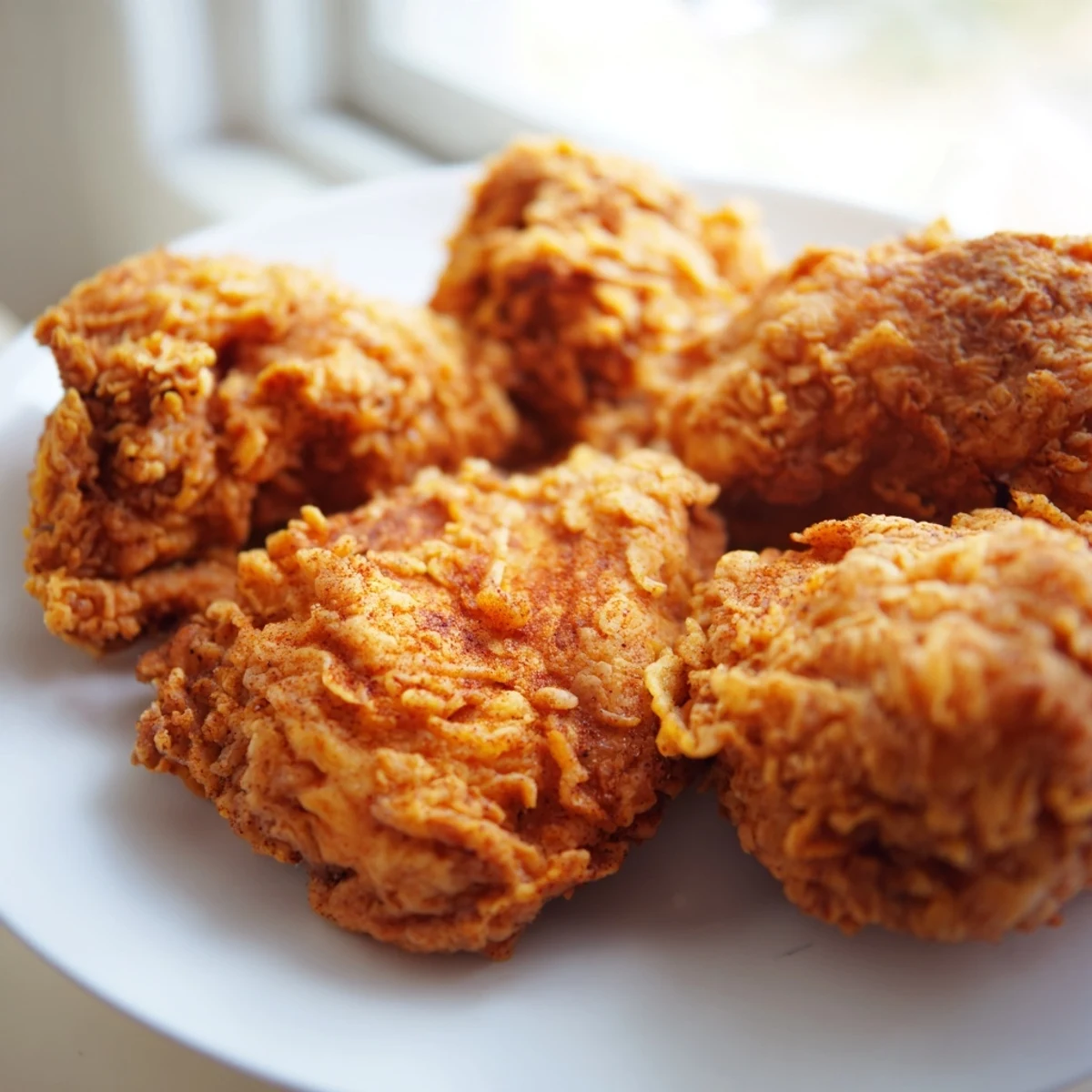
Pin This recipe became my go to for hosting after my brother's championship game watch party. There's something universally happy making about setting down a platter of perfectly fried chicken and watching everyone's eyes light up.
Mastering the Crust
The double dip technique creates that restaurant style coating that's almost impossibly thick and crunchy. After the first flour coating, dip the chicken back in the buttermilk and then into the flour again. It's messy work but absolutely worth the extra effort.
Oil Temperature Secrets
If your oil is too hot, the crust will burn before the meat cooks through. Too cool and the chicken ends up greasy and soggy. I keep a thermometer clipped to the side of my pot and adjust the heat constantly to maintain that perfect 175°C sweet spot.
Serving Suggestions
The contrasts are what make this meal complete. Something tangy and cool balances the rich, crispy chicken perfectly.
- Creamy coleslaw with a vinegar kick cuts through the richness
- Fluffy mashed potatoes with plenty of gravy catch all those flavorful drippings
- Cornbread with a touch of honey sweetness rounds out the plate
 Pin
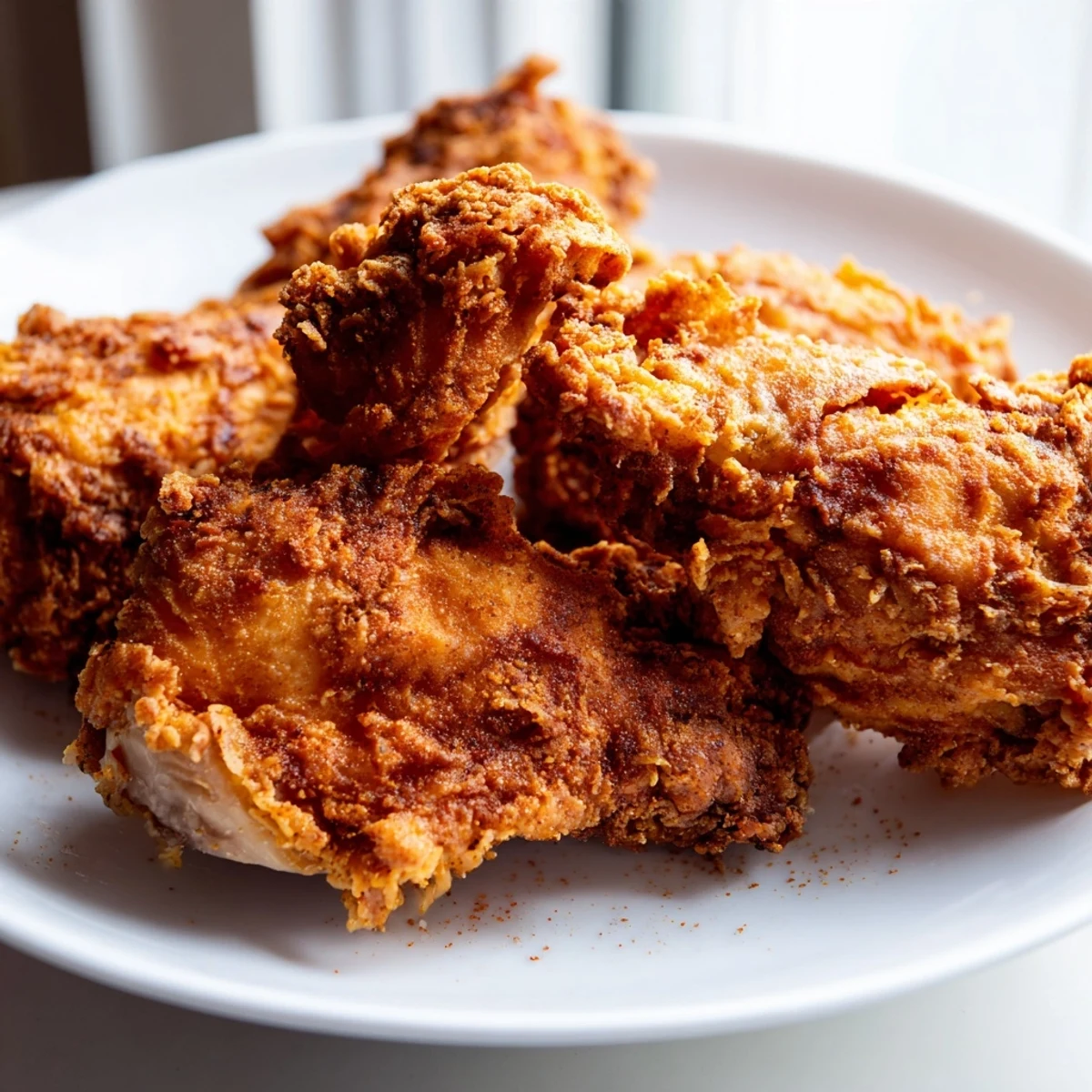
Pin There's nothing quite like breaking through that crispy coating into steaming, tender meat. Make extra because these disappear faster than you can fry the next batch.
Recipe Questions & Answers
- → How long should I marinate the chicken?
-
Marinate for at least 2 hours, though overnight is ideal. The buttermilk needs time to tenderize the meat and allow the spices to penetrate deeply.
- → What's the best oil temperature for frying?
-
Maintain oil at 175°C (350°F). Use a kitchen thermometer to monitor—too hot burns the coating before the meat cooks through.
- → Can I use boneless chicken pieces?
-
Boneless works but cooks faster. Reduce frying time to 8-10 minutes and monitor internal temperature carefully to avoid drying out the meat.
- → Why is my coating not staying on the chicken?
-
Letting excess marinade drip off before dredging is crucial. The resting period after coating helps the flour adhere better during frying.
- → How do I know when the chicken is done?
-
Insert a meat thermometer into the thickest part—it should read 75°C (165°F). The juices should run clear, not pink.
- → Can I make this ahead of time?
-
Fried chicken is best served fresh and crispy. However, you can marinate up to 24 hours ahead and coat just before frying.