
 Pin
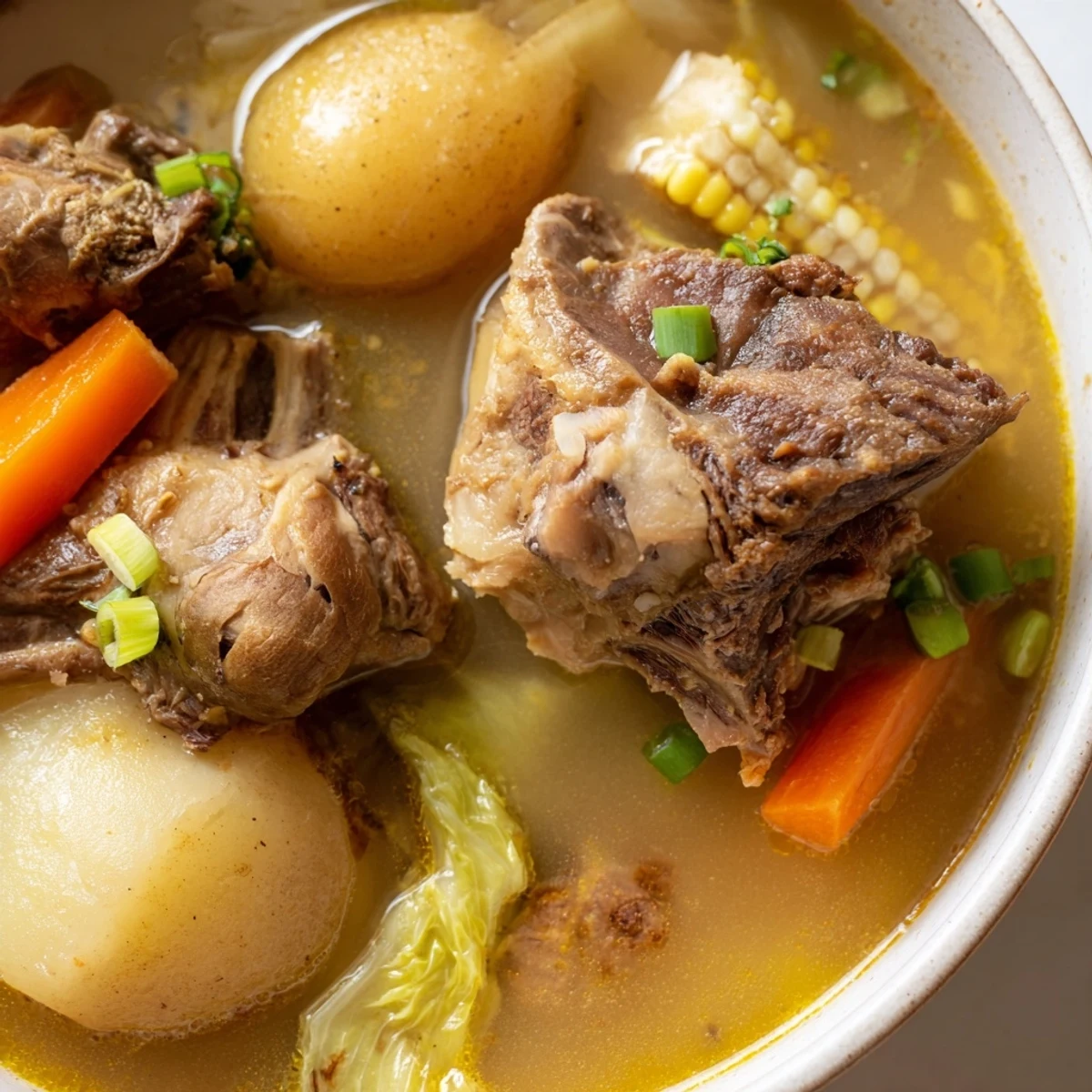
Pin This traditional Filipino soup transforms beef shank and bone marrow into a deeply flavorful broth through slow simmering. The result is tender, fall-apart meat and rich, gelatinous marrow that creates a luxurious mouthfeel. Hearty vegetables like corn, potatoes, carrots, and napa cabbage add substance and sweetness, while fish sauce and peppercorns provide authentic Filipino depth. Serve with steamed jasmine rice and fresh calamansi for a complete comfort meal that's perfect for cool weather or family gatherings.
The first time I had bulalo was at a roadside eatery in Tagaytay, where the mountain mist rolled in while we huddled around steaming bowls. The server brought out this massive pot, and I watched in awe as someone at the next table carefully scooped out the bone marrow, spreading it on rice like it was the most precious thing on earth. That night I learned that Filipino comfort food isn't just about warmth — it's about taking your time with something good. Now every time the weather turns chilly, my kitchen fills with that same rich, beefy aroma that makes the whole house feel like home.
Last rainy season, my neighbor smelled the broth simmering through our open kitchen window and showed up with a container of jasmine rice. We sat at my small dining table for hours, trading stories while taking turns skimming the pot and sneaking tastes of the tender beef. Her grandmother used to make bulalo for family gatherings, and she taught me that the real secret isn't any fancy technique — it's just patience and good ingredients. That afternoon turned into a weekly tradition, and now I can't make this soup without thinking of her laughter and rainy afternoons spent waiting for something wonderful to finish cooking.
Ingredients
- Beef shank with bone: Bone-in shank is absolutely essential here — the marrow melts into the broth creating that signature richness and the meat becomes impossibly tender after hours of simmering
- Beef marrow bones: These add extra body and depth to the soup, though you can skip them if beef shank already has plenty of marrow
- Corn on the cob: Sweet corn balances the savory beef and adds natural sweetness to the broth — cut it into rings so the corn flavor infuses the soup
- Onion: Quartered onion provides aromatic foundation without overwhelming the other flavors
- Carrot: Cut into large chunks so they don't disintegrate during the long simmer time
- Baby potatoes: Halved baby potatoes cook evenly and absorb the savory broth beautifully
- Napa cabbage: This adds fresh contrast and wilts nicely into the hot soup at the very end
- Green beans: Trimmed green beans provide a little crunch and bright color against the rich broth
- Saba bananas: These plantains add subtle sweetness and are traditional in bulalo — they soften into the soup like comfort on a spoon
- Water: Start with enough water to cover everything by about two inches
- Whole black peppercorns: Whole peppercorns give gentle heat and aromatic warmth without being overpowering
- Fish sauce: Patis provides the essential umami backbone and salty depth that defines Filipino comfort soup
- Salt: Adjust at the end since fish sauce already adds saltiness
- Chopped scallions: Fresh scallions add bright contrast and a pop of color when serving
- Calamansi or lemon wedges: A squeeze of citrus right before eating cuts through the richness and brightens the whole bowl
Instructions
- Start the broth right:
- Place beef shank and marrow bones in a large pot, cover completely with water, and bring to a rolling boil over high heat. Watch closely as gray foam rises to the top — skim this off meticulously with a ladle until the liquid runs clear, which ensures a pristine final soup.
- Build the flavor foundation:
- Lower the heat to a gentle simmer, then add quartered onion, whole peppercorns, and fish sauce. Cover and let it cook undisturbed for about two hours, checking occasionally that it maintains a slow bubble rather than a violent boil.
- Add the hearty vegetables:
- Once the beef yields easily to a fork, add baby potatoes and carrot chunks. Let these simmer for about ten minutes until they're just starting to soften but still hold their shape.
- Add sweet vegetables:
- Toss in corn pieces, plantain slices if using, and trimmed green beans. Cook for another ten minutes — the corn will become tender sweet and the plantains will start melting into the broth.
- Finish with leafy greens:
- Stir in napa cabbage pieces and cook just until wilted, about two or three minutes. Taste the broth and adjust with salt or more fish sauce until it hits that perfect balance of savory rich and slightly sweet.
- Serve with all the fixings:
- Ladle hot soup into bowls making sure each serving gets tender beef, vegetables, and plenty of broth. Top generously with chopped scallions and serve alongside calamansi or lemon wedges for squeezing at the table.
 Pin
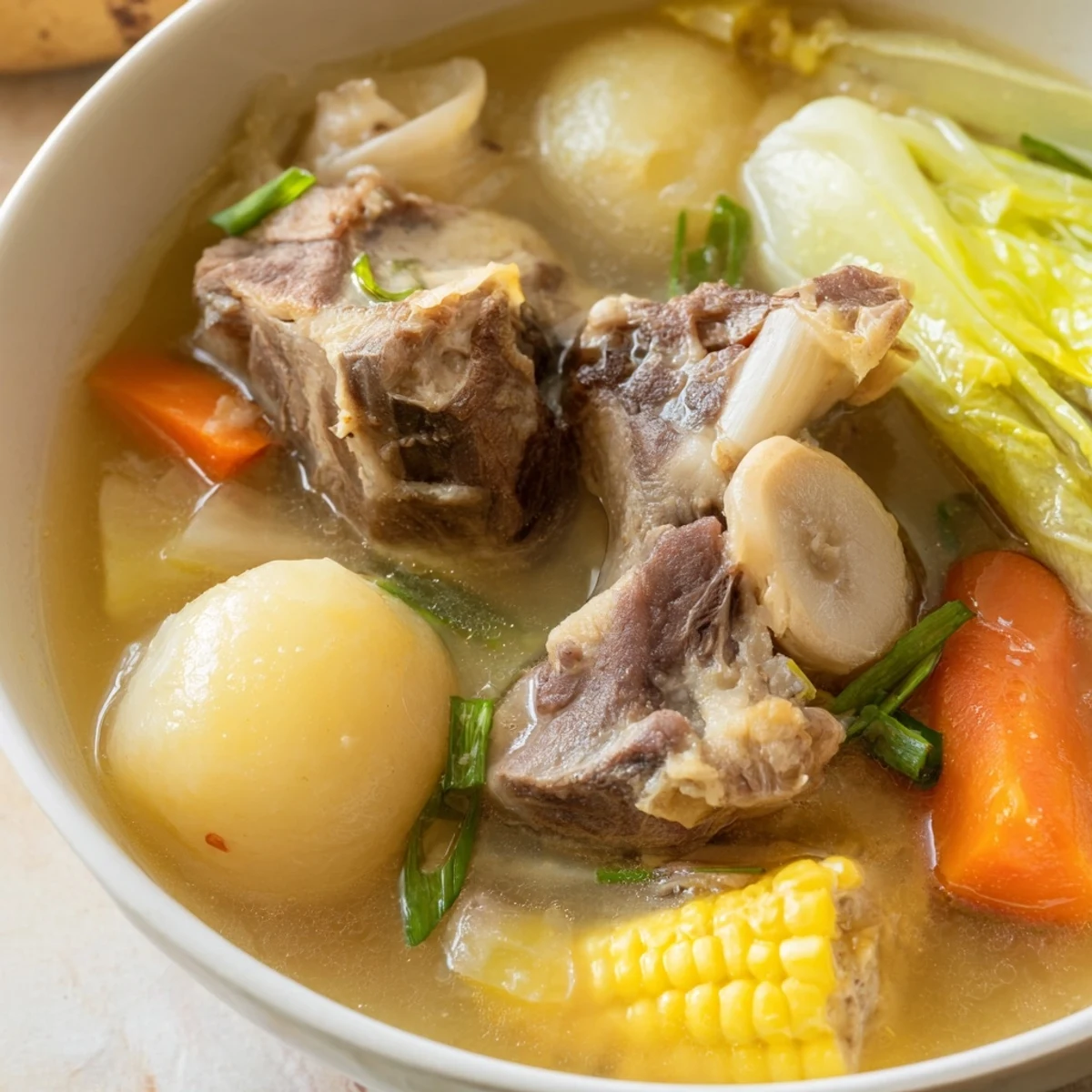
Pin After serving this at a dinner party, I watched my usually skeptical friend close her eyes after her first spoonful and literally moan. She confessed she'd been nervous about the bone marrow concept but ended up fighting everyone else for the last piece. The whole table went quiet for ten solid minutes, just the sound of spoons against bowls and occasional sighs of satisfaction. That's when I knew this wasn't just soup — it was the kind of food that makes people put down their phones and really be present together.
Getting That Clear Restaurant Style Broth
After years of cloudy homemade attempts, I finally learned that parboiling the beef for five minutes, draining that water, and starting fresh makes all the difference. It feels wasteful to discard that first boil, but the clarity you get in return is worth every drop. Restaurant kitchens have been doing this for generations, and once you see the difference, you'll never skip this step again. The extra five minutes transforms home cooking into something that looks and tastes like it came from a professional kitchen.
The Vegetable Timing Secret
I ruined countless batches of bulalo by dumping all vegetables in at once, ending up with mushy cabbage and crunchy potatoes. The real trick is thinking about cooking times — root vegetables need twenty minutes, sweet vegetables need ten, and leafy greens only need two or three. Once I started adding ingredients in stages, every bowl had perfectly tender vegetables with just the right amount of bite. The difference between soggy overcooked vegetables and ones that hold their shape is nothing more than patience and timing.
Serving Bulalo The Traditional Way
In Filipino homes, bulalo arrives at the table as a communal centerpiece with everyone gathering around the steaming pot. Its meant to be served family style with plenty of steaming jasmine rice and maybe some crispy bagnet on the side for texture. Each person ladles their own bowl, selecting their preferred ratio of broth to meat to vegetables. The real magic happens when you squeeze fresh calamansi over your portion right before eating — that bright citrus transforms the rich beefy broth into something truly extraordinary.
- Set out small bowls of fish sauce at the table so everyone can adjust their own seasoning
- Keep extra jasmine rice nearby because this broth demands something to soak it up
- Don't forget to serve with small spoons or forks for extracting every precious bit of bone marrow
 Pin
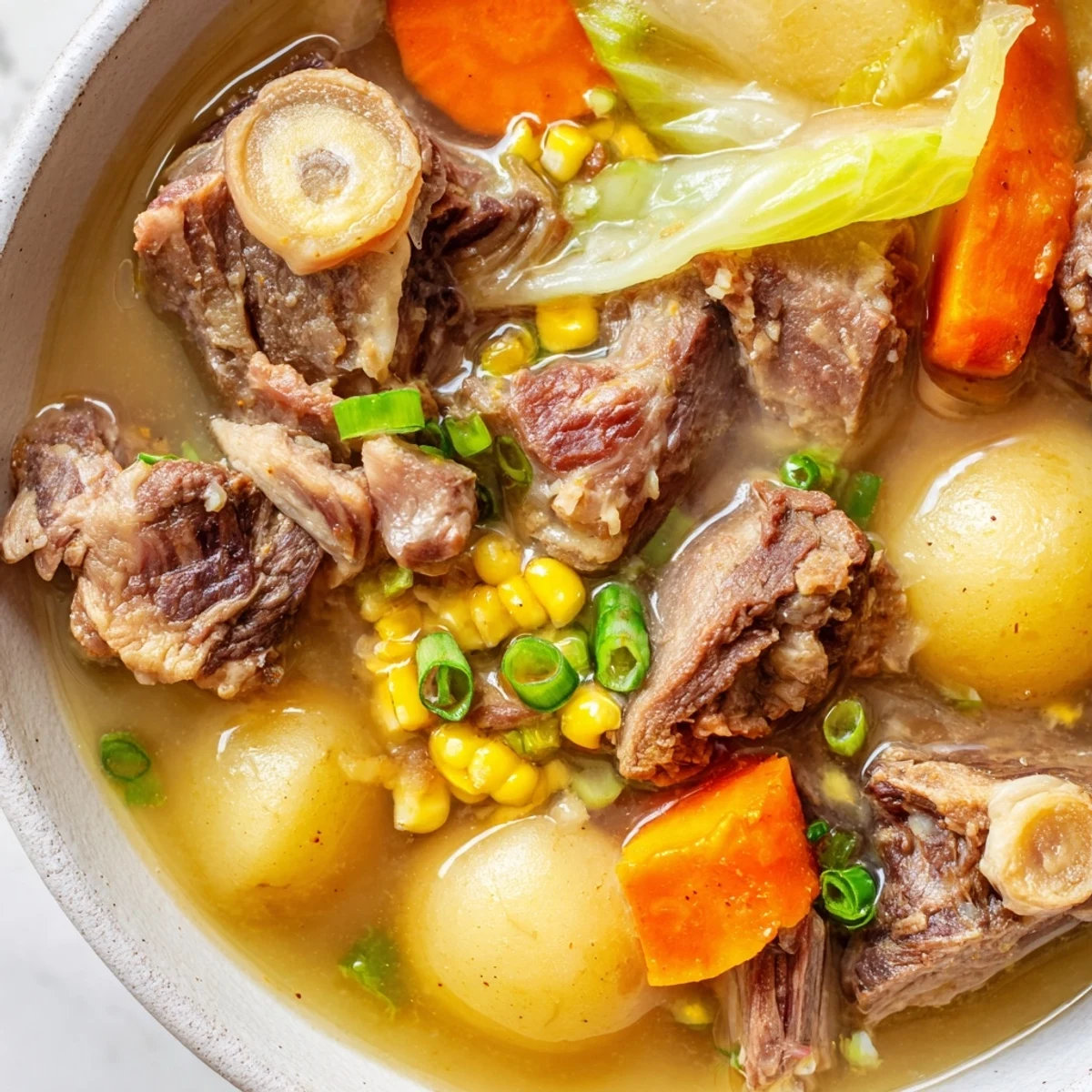
Pin Theres nothing quite like gathering around a steaming pot of bulalo while rain drums against the windows, everyone's bowl filled exactly how they like it. This soup has a way of slowing down time and turning an ordinary meal into something people will talk about for years.
Recipe Questions & Answers
- → What is bulalo soup made of?
-
Bulalo features beef shank with bone-in, bone marrow bones, water, onions, peppercorns, and fish sauce. Vegetables include corn, carrots, potatoes, napa cabbage, green beans, and sometimes plantain bananas. The marrow-rich bones create the signature rich, gelatinous broth.
- → How long does it take to cook bulalo?
-
Plan for about 2 hours 50 minutes total. The beef shank needs 2 hours of simmering to become fork-tender and release marrow flavor. Vegetables are added during the final 20-25 minutes so they cook through but maintain texture.
- → What makes bulalo broth clear?
-
Starting with cold water, bringing to a boil, then skimming impurities creates clarity. For an even clearer result, parboil the beef briefly, discard that water, then start fresh. Simmering gently rather than boiling vigorously also keeps broth clear.
- → Can I make bulalo in a pressure cooker?
-
Yes, pressure cook the beef shank with aromatics for about 45-60 minutes instead of 2 hours. Then transfer to a regular pot, add vegetables, and finish cooking. The marrow flavor still develops well under pressure.
- → What's traditionally served with bulalo?
-
Steamed jasmine rice is essential. Calamansi or lemon wedges provide bright acidity to cut through the richness. Chopped scallions add freshness. Some also enjoy it with patis (fish sauce) on the side for additional seasoning.
- → Can I freeze leftover bulalo?
-
Yes, freeze without the vegetables for best results. The broth and beef freeze beautifully for up to 3 months. When reheating, add fresh vegetables since previously frozen ones become mushy. The marrow may solidify when cold but will reliquefy when heated.