
 Pin
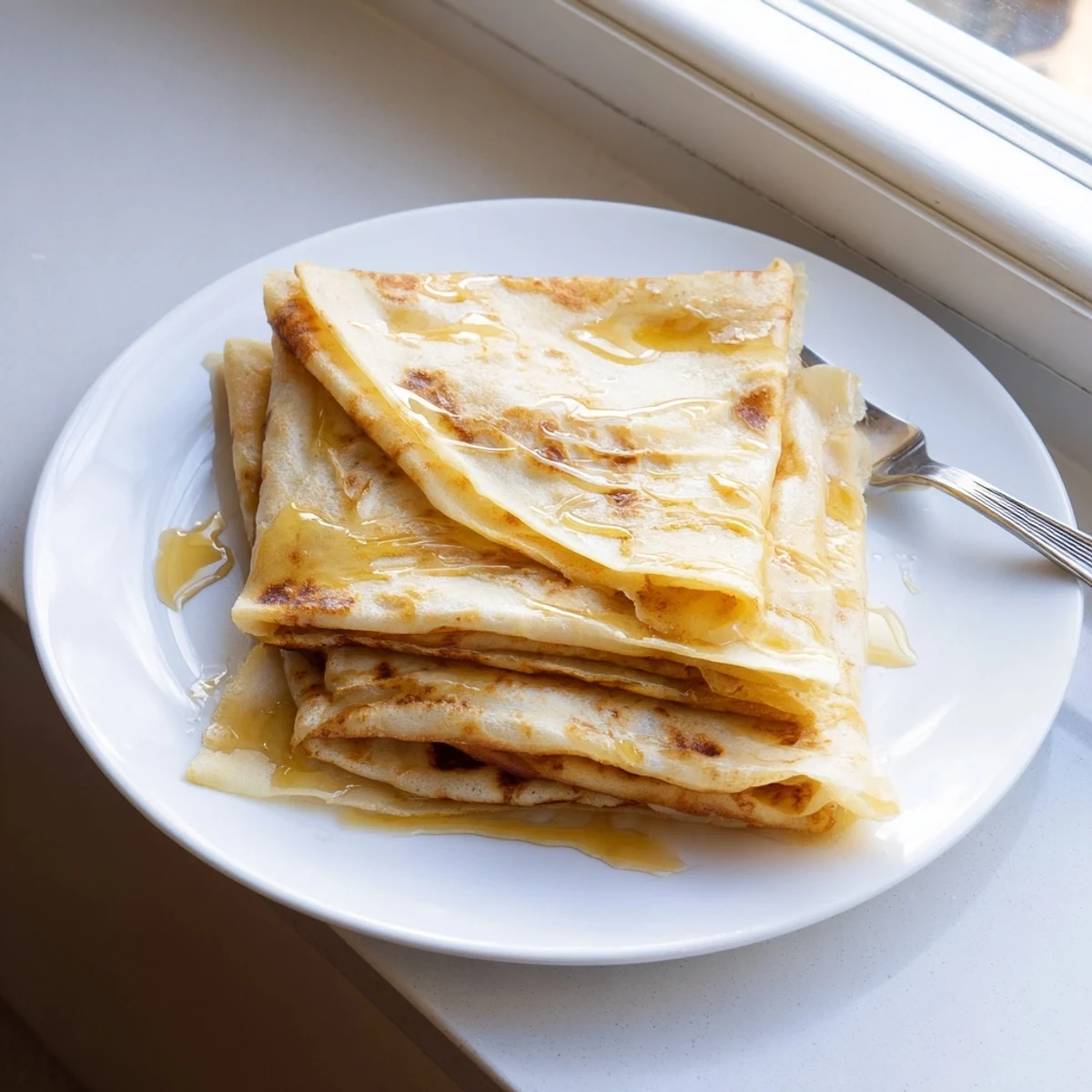
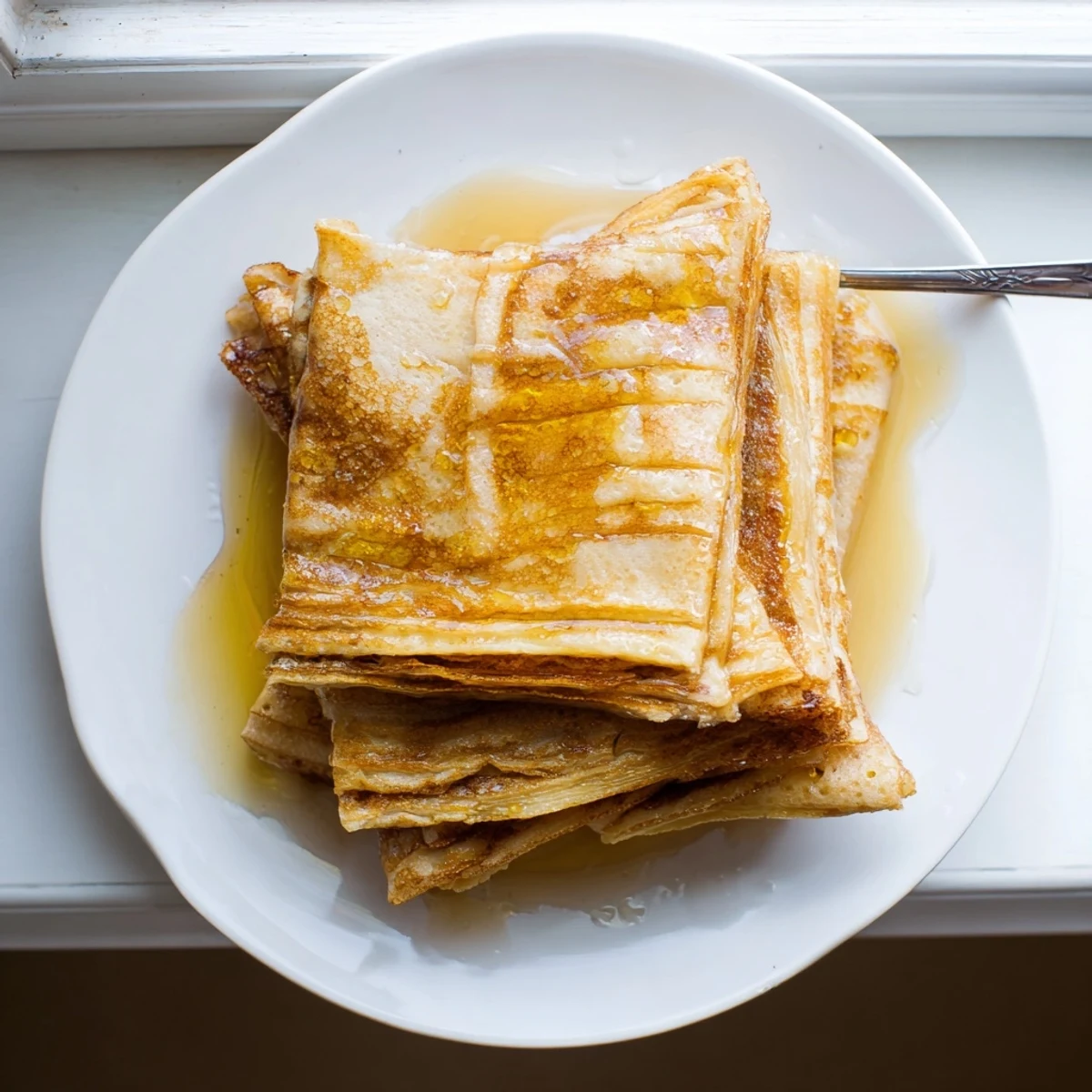
Pin Discover the secrets behind Meloui, those incredibly flaky Moroccan pancakes that make breakfast special. With their signature layered texture created through folding butter and semolina into the dough, these golden delights deliver the perfect balance of crispy edges and tender, buttery layers. The process involves stretching dough paper-thin, folding it into squares, and cooking until beautifully spotted with golden-brown spots. While the technique requires some practice, the results are absolutely worth it - warm, aromatic pancakes that melt in your mouth. Serve them traditionally with honey, your favorite jam, or a light dusting of powdered sugar. These pancakes keep well and reheat beautifully, making them perfect for weekend meal prep or special morning gatherings.
The first time I watched a Moroccan grandmother make meloui in her tiny Casablanca kitchen, I was mesmerized by how her hands moved like they had their own memory. She stretched the dough so thin it was practically translucent, laughing when I tried to copy her and ended up with something resembling a torn napkin. After about seven attempts that morning, she finally nodded approval at my eighth attempt, though she still reworked it herself before it hit the pan.
Last winter my daughter claimed she was too nervous to attempt folding the dough, but after watching me do two, she commandeered the kitchen counter and made six in a row. We ate them standing up by the stove, dipping each piece into honey so recklessly that our fingers stuck together, both agreeing this particular batch tasted better than any restaurant version wed tried during travels.
Ingredients
- 3 cups allpurpose flour: The foundation of your dough structure, giving these pancakes their hearty base
- 1 cup fine semolina: This creates that signature slightly grainy texture and golden color
- 1 ½ teaspoons salt: Essential for balancing the sweetness of honey later
- 1 teaspoon sugar: Just enough to help the dough brown beautifully
- 1 ½ cups warm water: The hydration that transforms dry ingredients into pliable dough
- ½ cup vegetable oil: Keeps your hands and workspace from becoming a sticky disaster during stretching
- ¼ cup softened butter: The secret to those flaky layers that separate when cooked
- ¼ cup fine semolina for dusting: Sprinkled between folds to create delicate separation
Instructions
- Mix and knead your dough:
- Combine flour, semolina, salt, and sugar in a large bowl, gradually incorporating warm water until a soft smooth dough forms, then knead enthusiastically for 8 to 10 minutes until it becomes elastic and stops sticking to your fingers
- Divide and rest the dough:
- Split your dough into 8 equal balls, cover them with a damp cloth, and let them relax for 15 minutes while you clear your workspace and pour yourself some tea
- Stretch into transparency:
- With oiled hands, flatten one ball into a remarkably thin circle approximately 10 inches across, working from the center outward until the dough becomes nearly translucent
- Layer with butter and semolina:
- Dot the stretched surface generously with softened butter and sprinkle semolina across it like youre seasoning a steak, covering every inch
- Master the folding technique:
- Fold your circle into thirds horizontally like a letter, then fold vertically to create a neat square or rectangle, setting each aside as you complete them
- Rest and flatten:
- Let all folded pieces rest for 5 minutes to relax, then gently press each square until its about ½ inch thick, being careful not to squeeze out all that precious butter
- Cook to golden perfection:
- Heat a nonstick skillet over medium heat with a light coating of oil, then cook each pancake for 2 to 3 minutes per side, pressing gently until both sides develop gorgeous golden brown spots
- Serve immediately:
- Bring them to the table warm, offering honey and jam for guests to drizzle and dip as they please
 Pin
Pin These pancakes became my go to comfort food during graduate school when money was tight but I still wanted something that felt luxurious and special. Theres something profoundly satisfying about turning humble ingredients into something so remarkably layered and delicious.
Getting The Perfect Stretch
The most challenging part of making meloui is achieving that paper thin consistency without creating holes. Work slowly and confidently, letting the weight of the dough help stretch it naturally rather than forcing it. If small tears appear, they rarely matter after folding, but try to keep the thickness uniform throughout.
Temperature Secrets
Medium heat might feel too low when youre hungry and impatient, but increasing the temperature will burn the outside before the inside cooks through. These pancakes need gentle, steady heat to allow all those buttered layers to cook properly and develop their characteristic flaky texture.
Storage And Reheating
Meloui keeps remarkably well in an airtight container for two days, though theyre truly best the moment they leave the pan. Reheat leftovers in a dry skillet over low heat to refresh the layers without making them tough.
- Freeze extras with parchment paper between each piece for longer storage
- Never microwave them as this creates a rubbery texture
- A quick toast in the oven works well for multiple pieces at once
 Pin
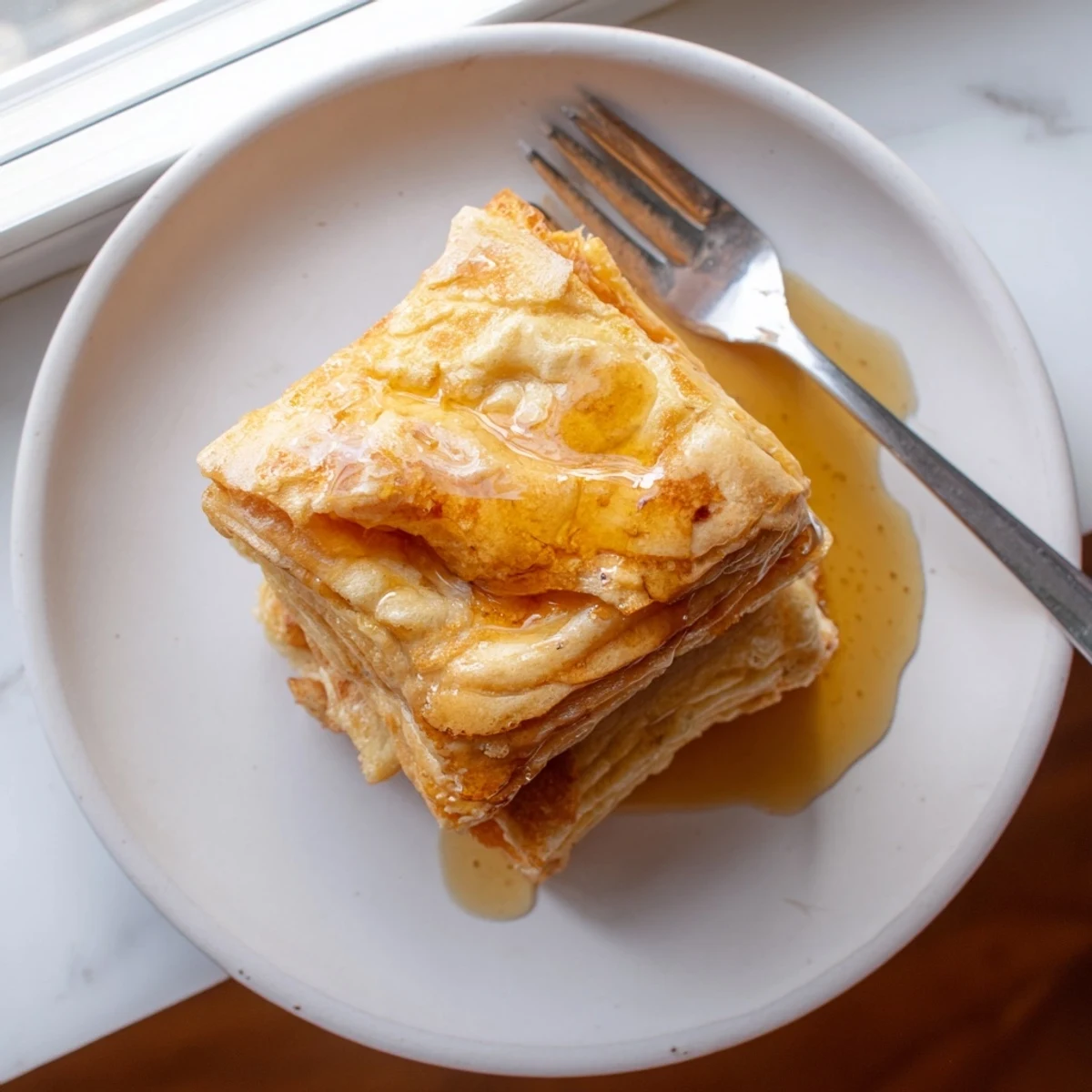
Pin Whether youre serving these for a special weekend breakfast or an afternoon snack with tea, meloui has a way of making ordinary moments feel like celebrations.
Recipe Questions & Answers
- → What makes Meloui different from regular pancakes?
-
Meloui features a unique layered texture created by folding butter and semolina into stretched dough, similar to puff pastry technique. Unlike regular pancakes, the dough is worked extensively and folded multiple times, creating those signature flaky, buttery layers that separate when you tear into the warm pancake.
- → Can I prepare the dough ahead of time?
-
Absolutely! You can prepare the dough through step 6 (after folding) and refrigerate it overnight. Bring to room temperature before flattening and cooking. This actually develops the flavor further and can make the dough easier to work with the next day.
- → Why is my Meloui not flaky?
-
The key is stretching the dough extremely thin before folding - almost transparent. Also ensure you're using enough softened butter and semolina between layers. Don't skip the resting periods, as they allow the gluten to relax, making stretching easier. The folding technique creates those essential layers.
- → What can I serve with Meloui?
-
Traditionally, Meloui is served warm with honey, jam, or powdered sugar. For a savory version, try pairing with cheese or olives. It pairs beautifully with Moroccan mint tea for an authentic breakfast experience. You can also serve with fresh fruit, yogurt, or nut butter.
- → How do I store and reheat leftover Meloui?
-
Store completely cooled Meloui in an airtight container at room temperature for 2-3 days, or refrigerate for up to a week. For longer storage, freeze between parchment paper for up to 3 months. Reheat on a skillet over medium-low heat for best results, restoring the flaky texture.
- → Can I make Meloui dairy-free or gluten-free?
-
Yes! Substitute the butter with plant-based butter or coconut oil for dairy-free. For gluten-free, use a gluten-free flour blend and try cornmeal or finely ground almond meal instead of semolina. Note that the texture will differ - the layers may be less distinct but still delicious.